Why Choose XL Dog Poop Bags for Large Dogs?
Picking up after a large dog can be awkward when a standard bag feels tight around the waste or your hand. Xl Dog Poop Bags offer more room for a secure pickup and a comfortable tie, especially on muddy walks or busy park paths. That extra space matters. It can help keep the bag opening away from your fingers and make cleanup less rushed. A larger bag may also be useful when carrying waste until the next bin, though it should still be tied firmly and handled carefully.
Size alone does not tell you whether a bag will work well. Check its dimensions, thickness, and stated capacity, since products labeled XL can vary. If you walk a strong, energetic dog, a bag that is difficult to open or too thin may add frustration at the worst moment. Test a few at home before relying on them outside. Look for a clear seal, easy separation from the roll, and enough room to tie the top without stretching it. Bigger is not automatically better. Oversized bags can use more material and take up extra pocket space. The right choice balances coverage, durability, and convenience for your dog’s usual routine. No bag makes cleanup perfect, but a well-fitting one can make it simpler.
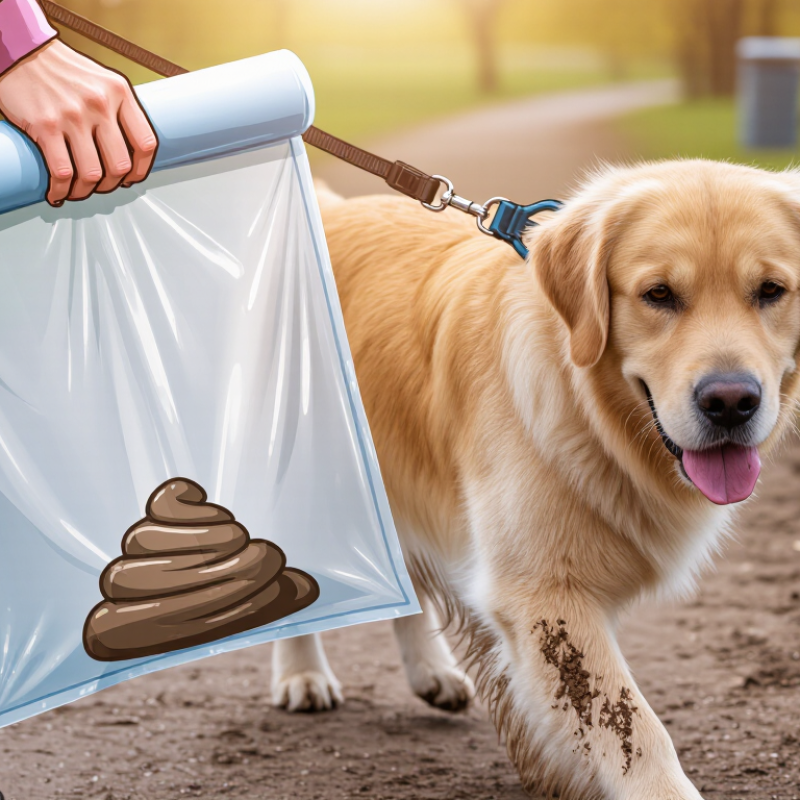
What XL Dog Poop Bags Are and How They Differ
XL dog poop bags are waste bags made with more room for larger deposits and easier handling. “XL” is not a fixed industry measurement, so dimensions can vary between products. Check the bag’s stated width and length rather than relying on the label alone. A bag that looks large on its roll may still feel tight when opened.
Compared with standard bags, XL bags usually offer a wider opening and more material to gather around the waste. That extra room can help keep hands farther from the contents and make tying the handles less awkward. Some XL bags are also thicker, but size does not guarantee strength. Look for clear material details and sturdy seams, especially if your dog’s waste is heavy or the bag will be carried for a while.
In practice, the difference is easiest to notice during a quick cleanup on a narrow sidewalk. A standard bag may stretch across your fingers; a roomier one gives you space to grip and close it. Small difference. Big relief. Still, oversized bags can take up more pocket space and create more plastic waste than needed. I used to think “XL” meant universally better, but the right fit depends on your dog and how you carry used bags.
Why Large Dogs Need More Capacity and Coverage
Why Choose XL Dog Poop Bags for Large Dogs?
Why Large Dogs Need More Capacity and Coverage
Large dogs often leave a larger, heavier pickup, so a standard-size bag may feel cramped. XL bags provide extra room to cover the waste fully and keep your hand farther away during cleanup. That added coverage matters on muddy paths or wet grass, where the bag may brush against the ground. No bag removes every risk of a leak, but choosing enough capacity can reduce stretching and awkward handling.
A roomy bag is also easier to open, position, and tie without rushing. Check that it fits comfortably over your hand and has enough material to gather securely. A bag that is too thin or pulled tight may tear, especially if it catches on a sharp twig. Bigger is not always better, though; an oversized bag can be clumsy to carry. It takes a little trial and error.
Tips: Test a bag at home before a long walk. Keep a spare in your pocket, and tie the filled bag with a firm knot. If the bag feels stretched, use a larger size next time.
Why Choose XL Dog Poop Bags for Large Dogs?
A larger bag can provide more material to contain waste and help keep your hand covered during pickup.
Example bag dimensions are illustrative, since bag sizes vary by product. Surface area is calculated as width × length; a larger flat area offers more potential coverage, but does not guarantee a particular fit or capacity.
How XL Bags Improve Cleanup and Leak Protection
For large dogs, cleanup can mean handling a heavier, wider mess. An XL bag gives extra room to open the edges around it without stretching the plastic too tightly. That matters when the ground is damp or uneven. Less pulling can reduce strain on the seams.
A larger bag also leaves more material above the waste for a secure tie. After turning the bag inside out over your hand, gather the opening carefully and check that nothing is caught near the rim. Tie it firmly. Keep the contents away from the top. Overfilling makes leaks more likely, even with a roomy bag.
Leak protection depends on more than size. Bag thickness, seam quality, and how the bag is handled all play a part. On a windy walk, the extra material can be awkward to control; XL does not always mean easier. I would check the seams before use, especially if a bag looks thin or has a rough edge. A spare bag can help on long outings. No bag is completely foolproof.
Key Features to Compare When Choosing XL Bags
Why Choose XL Dog Poop Bags for Large Dogs?
Key Features to Compare When Choosing XL Bags
For XL dog bags, compare usable width and length, not just the “XL” label. A broad opening helps when lifting a bulky load; extra length leaves room to turn the bag inside out and tie it without stressing the seam. Check the listed dimensions against a ruler.
Small detail, big difference.
Inspect the bottom seal, too: pinholes or weak seams can undo the benefit of thicker film. ASTM D882 measures tensile properties of thin plastic sheeting, while ASTM D1709 tests impact resistance. These methods show why thickness alone cannot prove durability. A supplier’s test results are more useful than “heavy duty” wording.
Compare closure style, dispenser fit, and material claims. Handles can make tying easier but reduce usable bag length. Rolls should separate cleanly, especially when you are outdoors wearing gloves. “Leakproof” can be vague without a defined test.
OECD’s Global Plastics Outlook estimates that 353 million tonnes of plastic waste were generated worldwide in 2019, and only 9% was recycled. That figure is not specific to pet-waste bags, but it is a reason to question broad environmental claims.
Look for recognized compostability certification and clear disposal instructions; compostable does not automatically mean suitable for home composting. Sizing may take a little trial and error.
How to Use and Dispose of XL Dog Poop Bags
Why Choose XL Dog Poop Bags for Large Dogs?
How to Use and Dispose of XL Dog Poop Bags
XL bags give you room to cover your hand and gather waste without stretching the opening. Pull one bag fully over your hand, pick up the waste, then turn the bag inside out. Keep the waste centered so it does not smear near the opening. Tie a firm knot before placing the bag in an outdoor bin, following local waste guidance. The knot can be fiddly with cold fingers; taking an extra second helps prevent leaks.
Choose a bag that feels sturdy when opened and large enough to tie without forcing it. Avoid using two bags when one can do the job. The U.S. Environmental Protection Agency’s 2018 Facts and Figures report estimates that 35.7 million tons of plastic entered the U.S. municipal waste stream that year. That figure covers many plastic products, not dog bags alone, but it’s a useful reminder to avoid unnecessary material. Do not flush the bag, and check local rules before putting pet waste in compost.
Tips: Carry a spare XL bag, and keep a small roll near the leash. On wet grass, use the bag’s full width to reduce hand contact. If the bag tears, use another one and tie it securely.