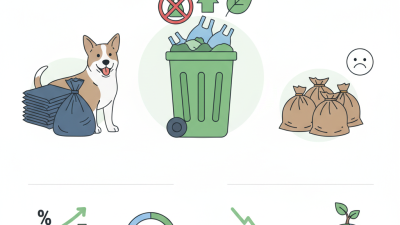
Why Choose XL Dog Poop Bags for Global Bulk Buying?
Why Choose XL Dog Poop Bags for Global Bulk Buying?
Choosing the right waste bag begins with real handling needs, not attractive packaging. XL Dog Poop Bags provide extra room for large breeds, heavier waste, and easier knot tying. That space matters when workers collect waste outdoors, often while wearing gloves. A narrow bag may tear, leak, or become difficult to close. An oversized bag, however, can increase material use and shipping volume. The best choice depends on dog size, collection routines, dispenser design, and regional buying conditions. No single bag fits every market.
For global bulk buying, consistent quality is as important as price. Buyers should review thickness, seal strength, roll dimensions, odor control, and carton protection. Sample testing can reveal weak seams before a large shipment leaves the warehouse. Practical checks include filling bags with water, pulling the handles, and storing cartons in warm, damp conditions. Suppliers should provide clear specifications and reliable batch records. Environmental claims also require careful review. “Compostable” does not mean suitable for every disposal system. Local waste rules and certification requirements must be checked before ordering. That detail is easy to miss. It should not be.
XL Dog Poop Bags can support cleaner operations, but only when size, durability, supply reliability, and responsible materials work together. A thoughtful purchasing plan compares landed cost, not just unit price. It also leaves room for imperfect assumptions, revised forecasts, and customer feedback. Bulk buying becomes more dependable when testing continues after the first delivery.
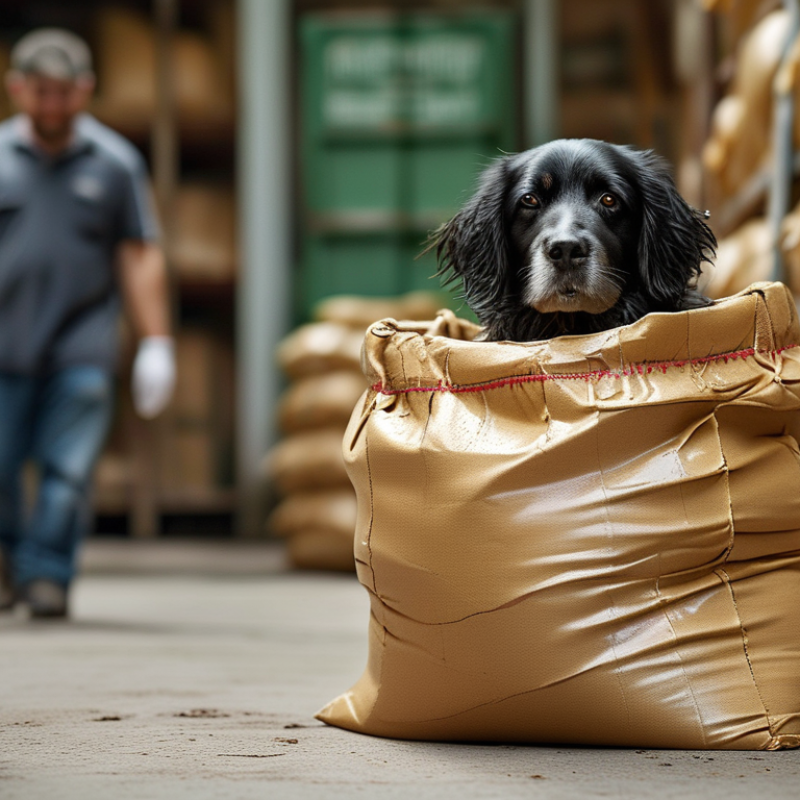
What Are XL Dog Poop Bags and Who Needs Them?
XL dog poop bags are larger waste-collection bags, commonly measuring about 33 by 12 inches, though dimensions vary by supplier. They offer more opening space and load capacity than regular bags. That matters when a large dog leaves a heavy, soft pile after rain. Messy? Often. Handlers can tie the bag without pressing waste against their gloves. Yet XL is not a universal standard, and some advertised sizes feel disappointing.
APPA’s 2023–2024 National Pet Owners Survey reports that 65.1 million U.S. households owned a dog. This figure helps explain demand from homes, shelters, groomers, boarding facilities, and professional walkers. XL bags suit Great Danes, mastiffs, shepherds, and households managing several dogs. They also help users carry waste across parks or rural paths without nearby bins. Small dogs rarely need them. Oversized bags may waste material and storage space.
Global bulk buyers should compare usable dimensions, thickness, seal strength, and carton yield, not labels alone. Grand View Research valued the global pet care market above 240 billion dollars in 2023. That is not a direct poop-bag statistic. Still, it signals a broad purchasing environment. Test samples with wet waste, cold storage, and repeated tying before ordering pallets. Storage volume is easy to underestimate. That mistake can affect warehouse costs.
How Do XL Dog Poop Bags Compare with Standard Sizes?
XL dog poop bags offer more capacity than standard sizes, but bigger does not always mean better. Standard bags usually suit small or medium dogs and fit compact dispensers easily. XL bags provide extra room for larger waste, long coats, or two smaller deposits. They also leave more material around the opening, which helps reduce accidental contact during tying.
The difference becomes clear during real handling. XL bags are easier to grip when wearing gloves or working in cold weather. Their wider base can support heavier contents without stretching the film too sharply. However, size alone cannot prevent leaks. Thickness, seam quality, and the bottom seal deserve equal attention. Too large can be wasteful. An oversized bag may also require larger dispensers and more storage space.
For global bulk buying, compare exact dimensions rather than relying on labels such as “XL.” Request samples and inspect at least 50 bags from different cartons. Check opening width, roll length, seal consistency, and tearing performance. A useful test is carrying a filled bag for several minutes before tying it. Packaging should protect rolls from moisture and crushing during long transport. Clear carton markings also reduce warehouse mistakes. In my practical view, XL bags work best when users handle larger waste regularly. I have found that some buyers choose maximum size, then regret the unused material. A smaller XL specification may perform better. Supplier records, sample results, and consistent production matter more than impressive wording.
Which Materials and Features Matter for Bulk Buyers?
For global bulk buyers, XL dog poop bags should be judged by material performance, not roll count alone. In sourcing work, I check film strength, seam quality, and opening size before comparing prices. That detail matters. HDPE bags are light and economical, while thicker blends usually offer better puncture resistance. Recycled content can support sustainability goals, but it may affect flexibility or odor control. Compostable materials require careful verification, because performance depends on certified composition and disposal conditions. A green claim alone proves little.
Useful features include generous dimensions, reinforced gussets, and handles that remain secure with larger waste loads. A slightly wider opening helps users avoid contact with the bag exterior. Leak testing should include damp waste, twisting, and carrying the bag for several minutes. Roll cores should fit common dispensers, especially for distributors serving different markets. Clear carton labels also reduce warehouse mistakes. I once assumed a thicker bag would always perform better, but poor seals caused failures during testing. Bulk buyers should request samples, production specifications, and batch consistency records. Independent test reports add confidence, although they should match the actual material and size being purchased. Packaging should protect rolls from moisture without creating excessive waste. Local disposal guidance must also be checked before selecting compostable or recycled options.
Why Choose XL Dog Poop Bags for Global Bulk Buying? - Which Materials and Features Matter for Bulk Buyers?
A practical comparison of materials, dimensions, performance requirements, and compliance considerations for international volume purchasing.
Material and specification comparison for XL dog waste bags
| Material / construction |
Typical bulk-buying position |
Common thickness range |
Main strengths |
Important limitations |
Best-fit purchasing use |
| Virgin HDPE |
Usually the lowest-cost option for high-volume orders |
Approximately 8–20 microns |
Lightweight, efficient material use, good moisture resistance, consistent film production |
Can tear or puncture more easily when very thin; fossil-based and generally not compostable |
Cost-sensitive distribution and standard-size waste collection |
| LDPE / LLDPE |
Higher material cost than thin HDPE, often selected for improved handling |
Approximately 15–40 microns |
More flexible, higher elongation, better resistance to puncture and stretching |
Greater material weight and shipping volume at equivalent bag dimensions |
XL bags for large dogs, multi-dog households, and demanding handling conditions |
| Recycled polyethylene |
Useful where recycled-content purchasing targets apply |
Approximately 15–40 microns, depending on feedstock and process |
Can reduce reliance on virgin resin and support recycled-content claims when verified |
Color, odor, consistency, and mechanical performance may vary; recycled content must be documented |
Retail programs requiring recycled content and conventional disposal systems |
Compostable polymer blend
often starch-based with certified compostable polymers |
Premium option requiring market-specific certification and disposal guidance |
Approximately 15–35 microns, subject to formulation and testing |
Can be designed for industrial composting when the finished product meets the applicable standard |
Usually higher cost; compostability does not mean home compostability or litter biodegradation |
Markets with suitable industrial composting infrastructure and verified certification requirements |
XL bag features and measurable procurement criteria
| Purchasing dimension |
Recommended XL specification |
Why it matters for bulk buyers |
What to verify before approval |
Commercial impact |
| Finished bag dimensions |
Typically about 33–40 cm wide × 38–45 cm long |
Provides more hand clearance and capacity for large-breed waste |
Measure the finished bag, excluding the roll core and detachable perforation area |
Affects user satisfaction, carton count, pallet volume, and freight cost |
| Film thickness |
Often 20–35 microns for a balance of flexibility and resistance |
Thickness influences puncture resistance, opacity, material consumption, and cost |
Check thickness at multiple points because film may vary across the bag |
Small thickness changes can significantly affect resin usage across large orders |
| Sealed bottom |
Leak-resistant star seal or reinforced flat seal |
The bottom seal is a critical stress point when the bag contains heavy or irregular waste |
Perform filled-bag leak and drop testing using the intended film and seal configuration |
Reduces complaints, returns, and damage during consumer use |
| Perforation quality |
Clean separation without premature tearing |
Poor perforations can cause multiple bags to detach or make individual bags difficult to open |
Test opening force, tear propagation, and roll dispensing after storage |
Improves dispensing efficiency for households, retailers, and service operators |
| Handle design |
Standard open-top, tie-handle, or carry-handle format |
Tie handles improve closure and carrying; open-top formats may reduce material and cost |
Confirm handle length, usable opening, and handle tear resistance |
Changes packaging appearance, packing speed, and material consumption |
| Opacity and odor control |
Opaque or highly tinted film; fragrance only where legally and commercially appropriate |
Improves user privacy and perceived hygiene, but fragrance may create allergy or market-acceptance concerns |
Review color uniformity, odor migration, and any fragrance disclosure requirements |
Affects product positioning and suitability for sensitive users |
| Packaging format |
Rolls with core, coreless rolls, boxed rolls, or dispenser packs |
Format determines storage density, dispensing compatibility, and secondary-packaging use |
Confirm roll diameter, core diameter, bag count, carton dimensions, and pallet configuration |
Directly influences warehouse capacity and international freight utilization |
Global bulk-order verification checklist
| Verification area |
Evidence or test to request |
Relevant purchasing question |
Why it is important |
| Material identity |
Material declaration, technical data sheet, and, where relevant, recycled-content documentation |
Does the stated material match the product specification and requested environmental claim? |
Prevents specification disputes and unsupported sustainability claims |
| Compostability claim |
A valid certificate or test report for the finished bag against the market-required standard, such as EN 13432 or ASTM D6400 |
Is the claim for industrial composting, home composting, or only biodegradation under a defined test? |
Different claims and standards are not interchangeable |
| Mechanical performance |
Thickness results, tensile or tear data, seal-strength testing, and filled-bag leak testing |
Can the XL bag withstand the expected load and handling conditions? |
Nominal dimensions alone do not prove leak or tear resistance |
| Dimensional tolerance |
Approved sample, dimensional inspection plan, and agreed tolerance for width, length, thickness, and bag count |
What variation is acceptable between production lots? |
Controls consistency across repeat international orders |
| Packaging and logistics |
Carton dimensions, gross weight, net bag count, pallet layout, and storage conditions |
How many usable bags fit per carton, pallet, and shipping container? |
Landed cost depends on both unit price and shipping efficiency |
| Regulatory labeling |
Market-specific labeling review for material, disposal instructions, environmental claims, and language requirements |
Are the product claims and disposal instructions permitted in each destination market? |
Reduces customs, retail-compliance, and consumer-communication risks |
Bulk-buying takeaway: XL bags are generally preferred for large dogs because their larger opening and longer body provide more hand clearance and better containment. For international purchasing, compare the total landed cost, verified bag dimensions, film thickness, seal performance, packaging density, and market-specific environmental requirements rather than evaluating unit price alone.
Note: Thickness ranges and dimensions shown above are common specification ranges for procurement planning, not universal industry requirements. Final acceptance limits should be established through approved samples and independent or documented quality testing.
How Can Global Buyers Evaluate Suppliers and Compliance?
Why Choose XL Dog Poop Bags for Global Bulk Buying?
Global buyers should evaluate suppliers beyond price and bag size. XL dog poop bags need reliable dimensions, strong seals, and enough stretch for larger waste. Ask for samples before placing a bulk order. Fill each bag with a realistic load, twist the opening, and leave it overnight in a tray. This simple test can reveal weak seams or tiny leaks. Request material details, thickness data, production photos, and batch records. A professional supplier should explain these points clearly.
Compliance also requires careful checking. Confirm whether the bags are plastic, recycled, or compostable, and request evidence supporting every environmental claim. Check the destination market’s rules for packaging, labeling, waste handling, and chemical restrictions. Certificates should come from recognized testing bodies, not only edited screenshots. Factory audits, traceable invoices, and consistent test reports improve reliability. However, paperwork can still become outdated. Verify issue dates and product-model details before ordering.
Tips: Compare at least three suppliers using the same checklist. Inspect carton markings, inner packaging, and printed instructions. Measure ten bags from different cartons, not just one sample. My early mistake was trusting a thick-looking bag without testing its seal. Appearance is not performance. Also, do not assume “biodegradable” has the same meaning in every market. Ask suppliers for realistic disposal guidance, while checking local requirements independently. A written specification sheet can prevent expensive misunderstandings, though it cannot replace physical inspection.
What Should Buyers Consider for Shipping, Storage, and Cost?
Global bulk buying of XL dog poop bags requires more than comparing unit prices. Shipping can change the real cost quickly. Large bags often need larger cartons, even when the plastic itself is lightweight. Ask suppliers for carton dimensions, gross weight, pallet count, and loading photos. These details help buyers estimate container space and reduce unexpected freight charges.
Storage also needs practical planning. Keep cartons on dry pallets, away from direct sunlight and heating equipment. Moisture can weaken packaging and create unpleasant warehouse conditions. Leave walking space between stacks for inspection and stock movement. Use clear batch labels and rotate older cartons first. It sounds simple. It is often missed.
Cost should include the full landed figure, not only the factory quotation. Add freight, insurance, duties, handling fees, inspection costs, and possible repacking expenses. Request pre-production samples and check bag dimensions, thickness, handle strength, sealing quality, and dispenser fit. A cheaper bag may tear during use, increasing waste and complaints. One imperfect assumption deserves attention: larger bags do not always deliver better value. Some customers need extra capacity, while others pay for unused material. Review order history, shipping frequency, and storage limits before selecting quantities. A small trial shipment can reveal problems before a full container commitment.
Why Choose XL Dog Poop Bags for Global Bulk Buying?
Larger XL dog poop bag orders should be planned around container cube, usable storage space, and payload limits. The chart compares typical internal volumes of common dry freight containers. The planning volume uses an 80% utilization assumption to allow space for cartons, handling access, and uneven packing.
Reference values: typical ISO dry-container internal volumes are approximately 33.2 m³ for a 20-foot container, 67.7 m³ for a 40-foot container, and 76.4 m³ for a 40-foot high-cube container. Actual capacity depends on container specifications, carton dimensions, loading method, route, and carrier requirements.