Why Choose Poo Bags Roll for Global Bulk Buying?
Why Choose Poo Bags Roll for Global Bulk Buying? The answer begins with consistency, not simply price. For distributors, retailers, pet-care chains, and municipal suppliers, every roll must perform reliably across different markets. A torn bag can stain cartons, delay deliveries, and damage customer trust.
Packaging procurement specialist Dr. Elena Marquez explains, “Bulk buyers should measure reliability by every roll, not by the cheapest quotation.” Her view reflects practical purchasing experience. A dependable Poo Bags Roll should offer stable dimensions, secure perforations, and smooth separation. It should also withstand ordinary handling during packing, shipping, and storage. Imagine cartons stacked in a warm warehouse, then moved through several transport hubs. Weak seals may fail before the product reaches a customer.
Global buying also requires careful attention to material claims, labeling, packaging standards, and local waste-management expectations. Suppliers should provide clear specifications, production records, and representative samples. Certifications matter, but they should be verified rather than accepted blindly. This is where some purchasing plans become too optimistic. A lower unit cost may hide thicker cores, inconsistent roll lengths, or excessive secondary packaging.
A strong sourcing decision compares total value. Consider product performance, carton efficiency, delivery stability, communication, and documented quality checks. Poo Bags Roll can support large-volume procurement when the supplier demonstrates repeatable manufacturing and responsive service. Buyers should request trial cartons before signing long-term agreements. Small tests reveal practical problems early. That extra step may feel slow, yet it often prevents expensive corrections later.
What Poo Bag Rolls Are and How They Work
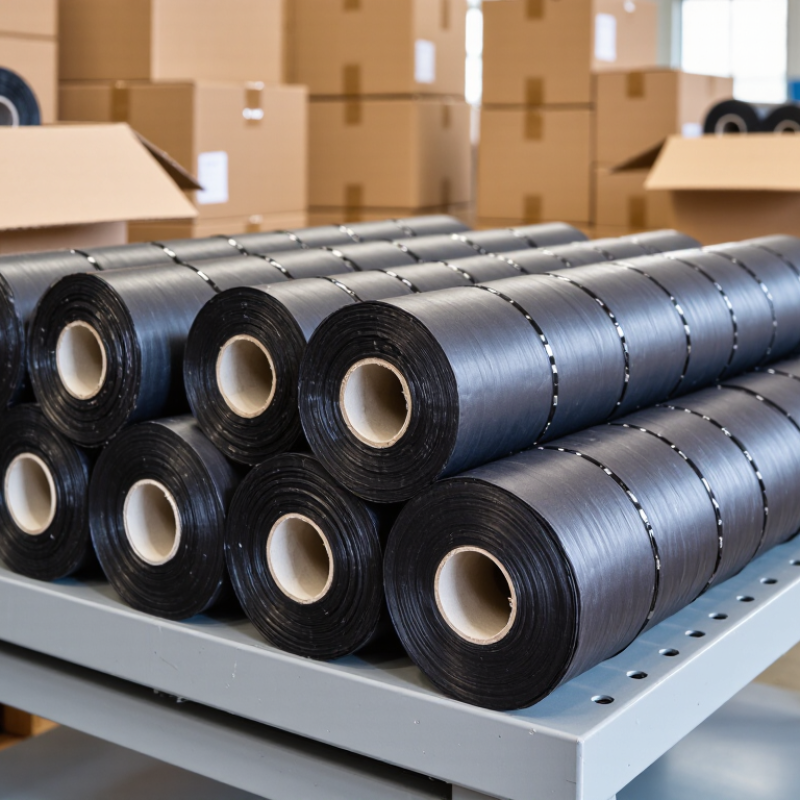
Poo bag rolls are continuous strips of individual bags joined by perforations. Each bag stays compact until it is pulled and torn away. The roll usually fits inside a dispenser, pocket case, or storage carton. A simple tug separates one bag without opening the next. Many bags include flat seams and tie handles for cleaner handling after use. The design sounds basic, but small details matter.
In practical use, roll thickness affects both dispensing and storage space. A bag that tears too easily may split during handling, while a tight perforation can slow busy cleaning routines. Buyers should check film strength, seal quality, roll length, and perforation consistency before placing a bulk order. Sampling several cartons is more reliable than judging one roll. It also reveals uneven winding, blocked openings, or damaged cores.
For global bulk buying, rolled bags offer predictable packing and easier stock counting. Cartons can hold many units without wasting much shelf space. Keep them dry and away from direct heat, especially during long transport. Compostable or recycled materials may need different storage conditions. They are not flawless. Material claims should be verified through supplier documents and independent testing when available. A useful purchasing record includes bag dimensions, thickness, unit count, packaging details, and inspection results. This makes repeat orders clearer, although real-world handling can still expose weaknesses that specifications miss.
Key Benefits of Roll-Format Bags for Bulk Purchasing
Roll-format poo bags offer practical advantages for global bulk purchasing. Each roll keeps bags compact, counted, and easy to distribute. This helps warehouses reduce loose packaging and simplify stock checks. In my procurement experience, consistent roll dimensions also make carton planning more predictable. Buyers can compare bags by thickness, tear resistance, seal strength, and usable size. These details matter when staff handle full bags outdoors or in wet weather.
Rolls support cleaner storage in offices, retail counters, pet-care facilities, and public service areas. A perforated design allows quick separation without damaging the next bag. Standardized rolls can also improve packing efficiency and reduce unnecessary empty space during shipping. However, roll packaging is not perfect. Perforations may fail when material quality is uneven. A lower unit price can mislead buyers if bags split during use. Reliable suppliers should provide samples, production specifications, and clear inspection records before large orders. Material claims also need verification, not assumptions.
Tips: Test rolls in real conditions, including cold mornings and damp storage rooms. Check whether the core fits existing dispensers. Request carton dimensions, roll counts, and weight tolerances. Review supplier quality controls and product documentation for each production batch. It is wise to order a small trial first. Large-volume savings are useful, but convenience should not replace careful testing.
How to Evaluate Suppliers, Costs, and International Logistics
Why Choose Poo Bags Roll for Global Bulk Buying?
How to Evaluate Suppliers, Costs, and International Logistics
Poo bags roll can simplify storage, packing, and daily dispensing for international buyers. The format also supports efficient carton loading. Supplier evaluation should begin with samples, not promises. Check bag thickness, dimensions, sealing strength, roll perforation, and odor control. Ask for material specifications and batch-testing records. A reliable supplier should explain production capacity, quality controls, lead times, and replacement procedures clearly. Factory photos are useful, but an independent inspection provides stronger evidence.
Cost comparison requires more than checking the unit price. Calculate the landed cost, including tooling, packaging, inland transport, freight, insurance, duties, and destination handling charges. A cheaper roll may contain fewer bags or use weaker seals. Request a complete quotation with carton dimensions, gross weight, minimum order quantity, and payment terms. Small details matter here. I would also compare two or three shipment scenarios, because freight rates can change quickly.
International logistics need careful coordination. Confirm the shipping term, port information, export documents, product description, and labeling requirements with a qualified freight forwarder. Import rules and environmental standards differ by market, so local verification is necessary. Keep buffer time for inspections and seasonal congestion. One practical weakness is relying too heavily on a supplier’s estimated delivery date. I still treat it as provisional until production milestones and booking details are documented. A pilot order can reveal carton damage, inconsistent rolls, or delays before a larger commitment.
Why Choose Poo Bags Roll for Global Bulk Buying?
Indicative international transit-time planning ranges by shipping route
Poo bags in roll format are compact, lightweight, and easy to carton-pack, which can improve container utilization and simplify warehouse handling.
The chart shows commonly used planning ranges for ocean freight routes; actual delivery times vary with origin port, destination port, customs clearance, carrier schedules, and seasonal congestion.
When evaluating suppliers, compare product specifications, recycled-content claims, MOQ, packaging efficiency, Incoterms, inspection procedures, and total landed cost—not only the unit price.