2026 Top Degradable Poop Bags How to Choose the Best?
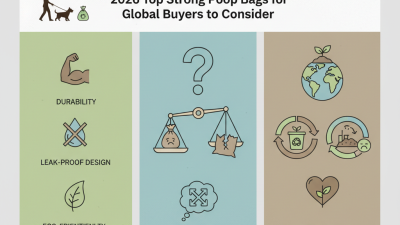
Choosing the right degradable poop bags is essential for environmentally conscious pet owners. In 2026, the market offers numerous options, making it crucial to understand what to look for. Degradable poop bags promise sustainability, but not all are created equal. Some break down faster than others, impacting their effectiveness and convenience.
When evaluating degradable poop bags, consider the materials used. Bags made from plant-based sources often break down better than traditional plastics. However, verifying claims from manufacturers is important. Many bags labeled as degradable may still leave microplastics behind. Researching brands and reading reviews can provide insights into their reliability.
Ultimately, the best degradable poop bags align with your values. Reflect on your purchasing decisions and their environmental impact. The journey toward sustainable pet care requires careful thought and informed choices. Balancing effectiveness and ecological responsibility remains a challenge, yet it is a worthwhile pursuit.
Understanding the Importance of Degradable Poop Bags
Degradable poop bags play a crucial role in reducing environmental waste. Traditional plastic bags take hundreds of years to decompose. According to recent studies, around 1 trillion single-use plastic bags are used annually in the U.S. This staggering number highlights the urgent need for alternatives like biodegradable options.
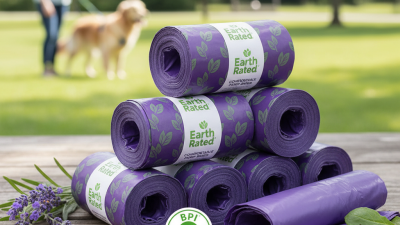
Choosing the right degradable poop bags is vital. Not all degradable bags are created equal. Some may claim to be "biodegradable" but only break down in industrial settings. Look for bags that comply with ASTM D6400 or D6868 standards, ensuring they decompose in natural environments. Research from the Biodegradable Products Institute indicates that proper disposal can lead to complete breakdown in just a few months. This is far more sustainable than conventional options.
It’s also important to be aware of how we dispose of these bags. Many consumers assume biodegradable means they can be thrown anywhere. However, the conditions for degradation vary widely. Education on proper disposal methods is essential. Often, mistakes can lead to these bags still contributing to pollution. Thus, a combination of quality products and informed habits is necessary for real environmental progress.
Types of Degradable Materials Used in Poop Bags
When it comes to selecting degradable poop bags, understanding the types of materials used is essential. Bioplastics, like polylactic acid (PLA), are popular choices. They come from renewable resources, such as cornstarch. According to the Biodegradable Products Institute, PLA can break down in as little as 90 days in commercial composting facilities. This speed is often appealing for environmentally conscious pet owners.
Another option is starch-based blends, which typically have additives to help with degradation. A report by the American Association of Industrial Biodegradable Plastics notes that these bags can break down under certain conditions, particularly when exposed to moisture and heat. However, the efficiency of their degradation is variable and can depend heavily on the disposal environment. This means that not all bags labeled as "degradable" will decompose in your backyard compost pile.
Lastly, oxo-biodegradable plastics offer a different approach. They contain additives that accelerate the breakdown process when exposed to heat or sunlight. Yet, studies have raised concerns about their environmental impact, as they may fragment without fully biodegrading. It's essential to research each type's breakdown process to make an informed choice, as different materials have unique implications for waste management and ecological health.
2026 Top Degradable Poop Bags - Types of Degradable Materials Used in Poop Bags
| Type of Material |
Biodegradability Rate |
Compostability |
Strength and Durability |
Environmental Impact |
| PLA (Polylactic Acid) |
90-180 days |
Yes |
Moderate |
Low fossil fuel use |
| PHA (Polyhydroxyalkanoates) |
3-6 months |
Yes |
High |
Biodegradable in ocean |
| Corn Starch Blends |
90-180 days |
Yes |
Good |
Renewable resource |
| Bamboo Fiber |
6-12 months |
Yes |
High |
Sustainable growth |
| Recycled Paper |
Depends on compost conditions |
Yes |
Moderate |
Low energy consumption |
Key Features to Consider When Choosing Poop Bags
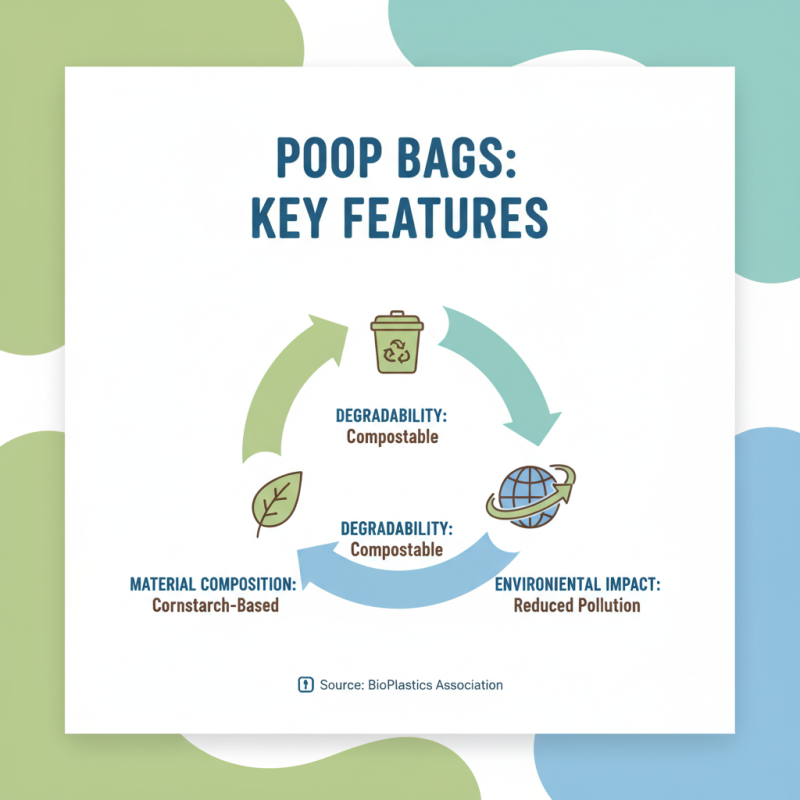
When choosing degradable poop bags, several key features demand your attention. The material composition is crucial. Look for bags made from sustainable materials like cornstarch. Research indicates that cornstarch-based bags can break down in composting conditions, unlike conventional plastic. A study from the BioPlastics Association noted that these bags significantly reduce environmental impact.
Size and strength matter too. Ensure the bags can hold the weight of your dog's waste without tearing. A survey conducted by the Pet Waste Management Coalition found that 70% of pet owners preferred bags that offer extra thickness and durability. Additionally, consider the sealing mechanism. Bags with secure ties or seals can prevent spills during disposal. Convenience plays a role; bags that are easy to store and dispense can simplify your routine.
While eco-friendliness is vital, not all biodegradable bags perform equally. Some may degrade too slowly, taking months rather than weeks. A report from the Environmental Protection Agency highlights this problem, urging consumers to choose certified options. Be mindful of this when selecting your next poop bags. Reliable information is key to making an informed choice, ensuring both convenience and environmental responsibility.
Top Brands and Models of Degradable Poop Bags for 2026
When choosing degradable poop bags for 2026, it's crucial to assess various brands and models available in the market. Many bags claim to be eco-friendly, but not all meet stringent degradation standards. Look for bags marked with specific certifications. These ensure the materials break down effectively without leaving harmful residues.
Consider bag thickness and durability. Thicker bags often resist tearing, which can be a significant factor when cleaning up after pets. Pay attention to the size as well, ensuring they are suitable for your pet's waste. Testing a few brands can reveal differences in usability and reliability.
Some models offer added features, such as fragrance or easy-tear perforations. However, these extras should not compromise biodegradability. Reviews and feedback from other pet owners can provide valuable insights. Remember, the environmental impact starts with the choice you make today.
2026 Top Degradable Poop Bags - Best Brands Comparison
Environmental Impact of Using Degradable Poop Bags
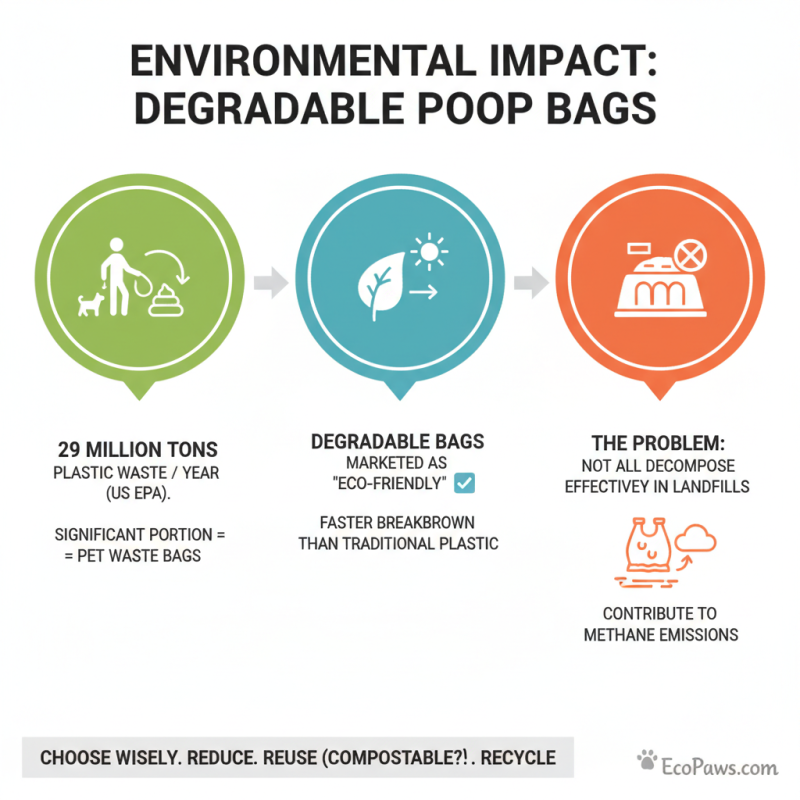
Degradable poop bags are a popular choice among pet owners. However, their environmental impact deserves careful consideration. According to a report by the EPA, approximately 29 million tons of plastic waste are generated annually in the U.S. A significant portion of this includes pet waste bags. Degradable bags, designed to break down faster than traditional plastic, are often marketed as eco-friendly. Yet, studies reveal that not all degradable bags decompose effectively in conventional landfills.
When choosing degradable poop bags, it's crucial to understand their compostability. Many products claim to be "biodegradable" but still take years to break down. A recent research article stated that true compostable bags can decompose within 90 to 180 days in a commercial composting environment. This highlights the importance of checking certification labels. Look for bags that meet ASTM D6400 standards for compostability.
Tips: Always consider your disposal options. If you cannot compost the bags, they may still end up in a landfill. Educate yourself on local waste management guidelines. Collecting pet waste is essential, but it should also align with sustainable practices. Encourage your community to switch to reliable options for a cleaner environment.