2026 Top Strong Poop Bags for Global Buyers to Consider
As the global demand for pet products grows, the importance of choosing reliable and effective "Strong Poop Bags" cannot be overlooked. Industry expert Dr. Emily Parker notes, "The right poop bag can make all the difference for responsible pet owners." Her insight highlights the critical role these bags play in maintaining hygiene and environmental safety.
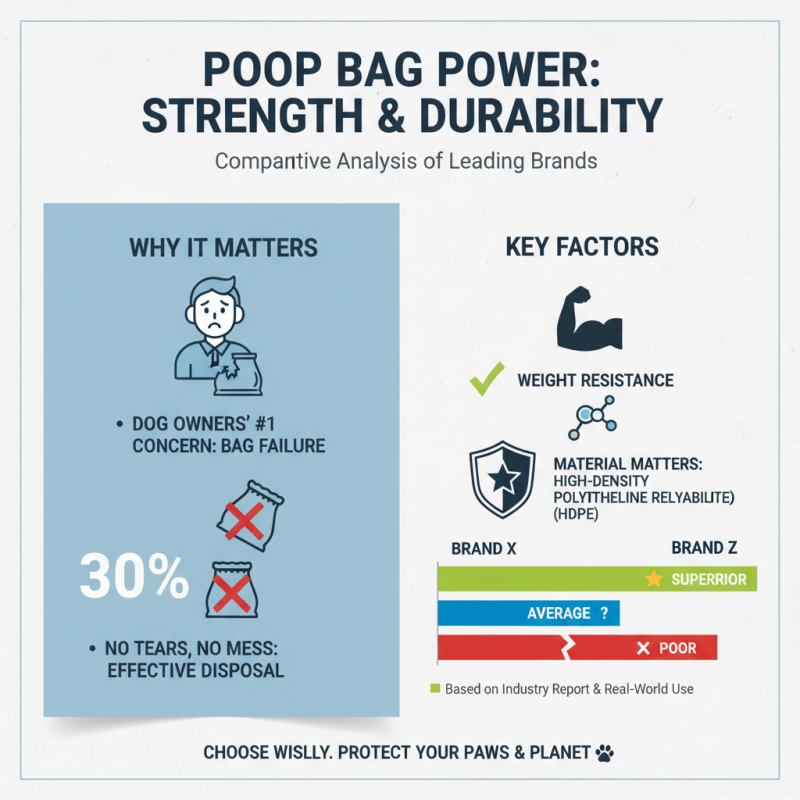
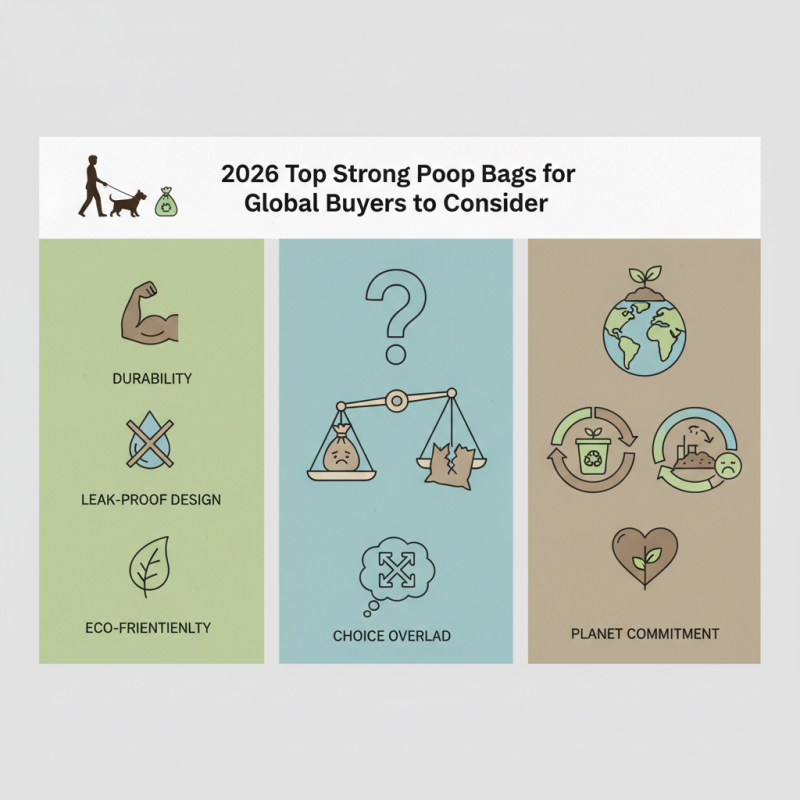
In 2026, numerous options will flood the market. Top brands are focusing on durability, leak-proof designs, and eco-friendliness. A good poop bag should not tear easily, even with heavy loads. Buyers often face an overwhelming range of choices. Some may find themselves frustrated trying to decide which brand provides the best quality.
Consider how these bags impact the environment. Strong Poop Bags are often made from various materials, each with unique benefits. Some products claim to be biodegradable, but it's essential to research their actual impact. The right choice supports both cleanliness and responsible waste disposal, demonstrating a commitment to our planet.
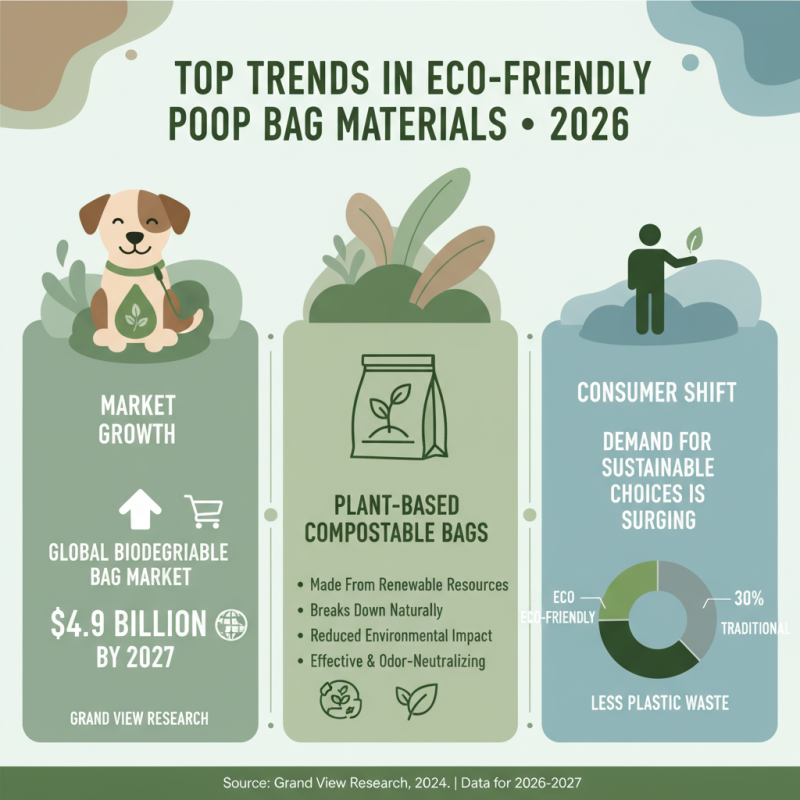
Top Trends in Eco-Friendly Poop Bag Materials for 2026
As we approach 2026, the demand for eco-friendly poop bags is surging. Research from Grand View Research indicates that the global biodegradable bag market is expected to reach $4.9 billion by 2027. This highlights a clear shift towards sustainable materials in consumer choices. Top trends include the rise of compostable bags made from plant-based materials. These bags are not just effective but also lessen environmental impact.
Understanding the materials is key. Many bags are now made from corn starch or other biodegradable sources. A recent report from Research and Markets shows that these materials can decompose within 90 days in proper conditions. However, it’s essential to note that not all so-called biodegradable bags break down effectively. Users should look for certifications like ASTM D6400, ensuring they meet specific compostable standards.
Tip: Always check for certifications when purchasing poop bags. This ensures you’re choosing products that genuinely support environmental sustainability. Another consideration is bag thickness. A thicker bag may feel sturdier, but it could affect biodegradability. Evaluate the balance between durability and eco-friendliness without compromising on quality.
Market Demand: Growth Statistics for Pet Waste Management Products
The pet waste management market is growing rapidly. This increase is driven by pet ownership trends and heightened awareness of hygiene. More people are recognizing the importance of cleaning up after their pets. As pet populations rise, so does the need for effective waste disposal solutions.
Statistics reveal significant growth in the pet waste management sector. Experts predict a steady rise in demand for strong poop bags. Environmentally friendly options are becoming increasingly popular among consumers. These bags are often made from biodegradable materials. However, not all products live up to their claims of eco-friendliness. This inconsistency can confuse buyers.
Innovation in design plays a critical role in market expansion. Many bags now offer features like leak-proof technology and easy tie handles. While these advancements improve usability, there are still many challenges to address. For instance, not every bag maintains strength under various conditions. This inconsistency can lead to frustration for pet owners. Reliable options are essential in a growing market focused on sustainability and effectiveness.
Sustainability Standards: Certifications for the Best Poop Bags
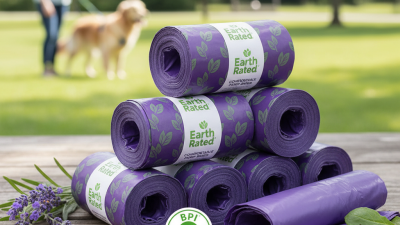
When selecting poop bags, sustainability is key. Many brands offer bags made with biodegradable materials. According to a 2022 report by the Plastic Pollution Coalition, only 9% of global plastics are recycled. This highlights the need for alternatives. Certifications like ASTM D6400 indicate that bags can break down in composting conditions. This standard is essential for eco-conscious consumers.
Tips: Look for bags that carry certifications for compostability. These assurance marks indicate environmental responsibility. Consumers should also check for strength and durability. A weak bag might lead to spills, causing more trouble.
Many companies now provide transparency about their materials. This helps buyers make informed choices. Studies show that consumers are increasingly willing to pay more for sustainable options. In 2023, an industry report revealed that 73% of pet owners prefer eco-friendly products. However, not all brands deliver on their promises. Buyers must research to find truly sustainable choices, as some marketed products fall short.
Consumer Preferences and Purchasing Behaviors in Pet Owners
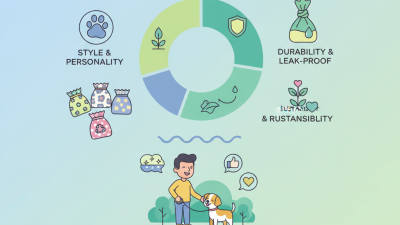
Pet owners increasingly prioritize eco-friendly options. Many look for poop bags that are biodegradable or compostable. This shift shows a growing awareness of environmental responsibility among pet parents.
Tips for choosing the right poop bags include checking the material. Look for bags labeled as biodegradable. These products break down naturally, reducing landfill waste. Also, pay attention to bag thickness. Thicker bags may offer better durability during use.
Consumer preferences highlight practicality. Many pet owners prefer bags with easy dispensers. Some even choose bags with fragrances to mask odors. However, not all scented options are eco-friendly. It's important to balance convenience with sustainability. Reflecting on these factors can guide better purchasing decisions.