Leave Your Message

How to Choose the Best Poop Bag Roll Supplier in 2026?

Choosing the right Poop Bag Roll supplier in 2026 means looking beyond the price printed on a quotation. A low-cost roll can become expensive when bags split, perforations tear unevenly, or cores fail to fit dispensers. Small defects matter. They interrupt daily use and can lead to customer complaints.

Quality-management expert W. Edwards Deming offers a useful standard: “It is not enough to do your best; you must know what to do, and then do your best.” Applied to supplier selection, that means asking for measurable specifications, not just reassuring claims. Check bag dimensions, film thickness, roll length, seal strength, and perforation consistency. Request production samples, then test them in the dispensers your customers actually use. A neat sample on a desk proves little.

Reliable sourcing also depends on what happens behind the sample. Ask how the supplier manages batch checks, production changes, lead times, and communication when a shipment is delayed. Review packaging details, carton counts, and sample-to-order consistency. If sustainability claims matter to your brand, request clear material information and supporting documentation. Do not assume a vague label tells the whole story.

This guide explains how to compare suppliers using practical checks, clear questions, and evidence you can verify. A spreadsheet helps, but it cannot replace a roll tested by hand. Even careful buyers miss things. A second review is worthwhile.

How to Choose the Best Poop Bag Roll Supplier in 2026?

Define Your Poop Bag Roll Requirements and Use Cases

Before comparing suppliers, define how the poop bag rolls will be used. A household may need compact rolls for a leash dispenser, while a busy pet-care facility may need larger quantities and quick restocking. Note the number of bags used each day, preferred roll length, bag dimensions, and storage space. Small details matter.

Specify practical features, too. Check whether the bags tear cleanly at the perforations, fit your dispensers, and feel sturdy when carrying damp waste. Decide if you need handles, a particular color, or recycled material. Ask suppliers for samples and test them with your actual dispenser before placing a large order. A specification sheet is useful, but it cannot show how easily a roll separates on a cold morning. Usage estimates can also be imperfect; seasonal demand may catch you off guard. Track consumption for a few weeks and adjust your forecast.

Tips: Measure your dispenser’s core and width. Record weekly usage. Test sample rolls with gloves on, and check for leaks using a small amount of water. Keep one alternate roll style on hand until the fit is proven.

Assess Bag Materials, Design, and Compliance Standards

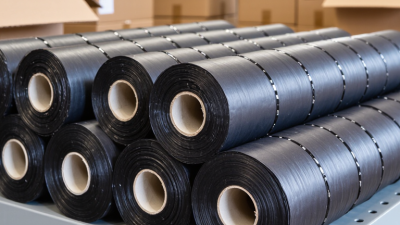
A dependable poop bag roll supplier should prove how its material performs, not just describe it as “strong” or “eco-friendly.” Ask for resin specifications, bag thickness, seam strength, and leak-test results. Then test rolls in your own dispensers. Check the perforations, too: a bag that tears unevenly is frustrating on a cold walk. Small details matter. The OECD’s Global Plastics Outlook (2022) estimates that only 9% of plastic waste was recycled globally in 2019, while 22% was mismanaged. That wider waste picture makes precise material claims and credible documentation worth checking.

For compostable claims, request independent test reports and certification against a relevant standard, such as ASTM D6400 or EN 13432. These standards assess industrial compostability; they do not guarantee that local facilities accept pet waste. Confirm the intended disposal route before choosing that material. Ask suppliers to identify the exact bag component covered by a certificate, including inks and additives where applicable. Compare recycled-content options with virgin materials using the same performance tests. A thinner bag may reduce material use, but not if it leaks. No spec sheet captures every dispenser or storage condition. That judgment can feel less tidy than choosing the lowest price, but it is more useful.

Evaluate Supplier Manufacturing Capacity and Quality Controls

A supplier’s stated output matters less than the capacity it can sustain during a busy season. Ask for monthly production figures, current order volume, and typical lead times. Then compare those numbers with your forecast, including seasonal peaks. A practical supplier should explain how it handles equipment downtime, staff shortages, and urgent repeat orders. Ask whether production is performed in-house or partly outsourced, since extra handoffs can affect consistency. Small details matter. A polished sample may not reveal how every roll performs across a large shipment.

Review the supplier’s quality checks, not just its inspection claims. Ask how it measures bag thickness, tests seams for leaks, and checks perforations and roll winding. Request recent batch records and an explanation of how defective rolls are identified and handled. Where possible, test samples from more than one production lot; one sample is a thin slice of the full picture. Also check whether the supplier can trace a finished batch back to its production date and material records. No control system catches everything, and that is worth discussing openly. Clear answers, measurable checks, and consistent documentation provide a stronger basis for choosing a supplier than a low quote alone.

Compare Pricing, Minimum Orders, and Delivery Reliability

How to Choose the Best Poop Bag Roll Supplier in 2026?
Compare Pricing, Minimum Orders, and Delivery Reliability

Compare the full landed cost, not just the price per roll. Check bag dimensions, thickness, roll count, core size, packaging, and freight charges. A cheaper quote may include fewer bags or higher shipping fees. Small differences add up. The CSCMP 2024 State of Logistics Report estimated U.S. business logistics costs at $2.3 trillion in 2023, equal to 8.7% of GDP. This broad figure is useful context, not a supplier score.

Minimum order quantities should match your storage space and sales pace. A large order may lower unit costs but tie up cash and leave cartons sitting in a warm warehouse. Ask suppliers to document production lead times, dispatch dates, and delivery estimates. Request recent on-time shipment data, and clarify how delays are handled. A polished quote is not proof of reliable delivery. Get the details in writing.

Tips: Request a sample and a small trial order before committing to a large run. Compare the quoted landed cost per usable bag, then track promised versus actual delivery dates. Ask whether repeat orders can be split across shipments. Keep a modest buffer for demand spikes, but base it on your own sales history. Perfect forecasts are rare; review them regularly.

How to Choose the Best Poop Bag Roll Supplier in 2026? Compare Pricing, Minimum Orders, and Delivery Reliability

Suggested buyer evaluation weights (%) for comparing suppliers. These are planning weights, not market statistics.

Compare landed cost per roll, review on-time delivery records over a consistent period, and check whether minimum order quantities fit your demand and storage capacity. Score each supplier on the same scale, then apply these weights to support a like-for-like decision.

Verify Supplier Credentials, Samples, and Customer Support

Choosing a poop bag roll supplier in 2026 starts with evidence, not polished catalog photos. Grand View Research estimated the global pet waste bags market at about USD 1.1 billion in 2023 and forecast continued growth through 2030. Rising demand makes supplier consistency more important: a roll that splits at the perforation can frustrate users and trigger avoidable returns. Ask for current business registration, factory audit results, quality-system certificates, and batch-level test records. Check certificate scope and expiry dates; a logo alone proves little. For compostable claims, request the named test standard and an independent laboratory report, not a vague “green” statement.

Then test samples using the dispenser your customers use. Pull bags from several rolls and check perforation force, seal strength, odor, leakage, and core fit. Record results by lot and keep one unopened control roll. Small detail, big impact. Customer support matters after approval: ask who handles defects, how quickly they acknowledge complaints, and whether they can trace production batches. A reliable supplier shares corrective-action notes and replacement timelines without making you chase every update. Verify the process with a small pilot order before scaling. No checklist catches everything; I would still keep a second source qualified, because even a good supplier can miss a production issue.

How to Choose the Best Poop Bag Roll Supplier in 2026? — Verify Supplier Credentials, Samples, and Customer Support

Suggested evaluation framework. The weights and scoring thresholds are buyer guidelines, not industry-wide requirements.
Evaluation area Suggested weight What to verify Evidence to request Practical decision check
Business identity and operating history 15% Confirm that the supplier is a real, reachable business and that its stated address and legal details are consistent. Business registration details, verifiable address, company contact information, and references where available. Check registration through the relevant official registry where available. Resolve inconsistencies before placing an order.
Quality and environmental claims 15% Check whether claimed quality systems or material and environmental claims apply to the product and production site being offered. Current certificates or test reports, issuing body, scope, product identification, and validity details. Verify documents with the issuer when possible. Compostability standards and certification scope differ; do not treat industrial-composting claims as home-composting claims.
Product specification and consistency 20% Confirm bag dimensions, thickness or declared gauge, material, color, scent, roll count, core size, perforation, and packaging requirements. Written specification sheet, approved artwork, material declaration, and agreed inspection or acceptance criteria. Make sure the quotation, sample, purchase order, and final specification describe the same product.
Sample performance 20% Assess opening, tear-off at perforations, handle strength where applicable, seal integrity, odor, and fit with the intended dispenser. Production-representative samples, sample specification, and confirmation of whether the sample matches the quoted materials and process. Test several bags from more than one roll using a consistent procedure. Record failures and compare results against your written requirements.
Customer support and issue handling 15% Evaluate clarity, responsiveness, technical knowledge, escalation contacts, and the process for handling defects or specification changes. Named points of contact, written complaint and corrective-action process, and agreed communication channels. Ask the same detailed questions of each candidate and record response time and completeness against your purchasing needs.
Order, production, and delivery capability 15% Confirm minimum order quantity, lead-time assumptions, production capacity, packaging, shipping terms, and how schedule changes are communicated. Written quotation, production schedule, order terms, packing details, and shipping documentation requirements. Compare like-for-like quotations and clarify which dates are estimates versus committed milestones.
Suggested scoring method 100% total Score each area from 1 to 5: 1 = evidence is missing or unsatisfactory; 3 = requirements are partly met with supporting evidence; 5 = requirements are clearly met and documented. Multiply each score by its weight and compare the weighted totals. Treat unresolved credential issues or failed sample tests as reasons for further review, regardless of total score.