Leave Your Message

7 Tips for Choosing Personalized Poop Bags

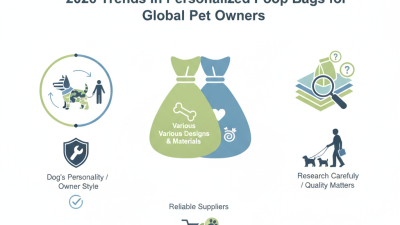
Choosing Personalized Poop Bags requires more than matching a logo with a favorite color. The bag must protect hands, contain odors, and open easily during a rushed morning walk. The American Pet Products Association’s 2023–2024 National Pet Owners Survey reports that 66% of U.S. households own a pet, representing about 86.9 million homes. That scale makes everyday waste products a serious purchasing category, not a minor accessory.

Environmental performance also deserves careful attention. The United Nations Environment Programme’s 2023 report, Turning off the Tap, states that global plastic pollution could be reduced by 80% by 2040 through reuse, recycling, and better product design. However, “biodegradable” can be vague. Buyers should examine recognized standards, such as ASTM D6400 or EN 13432, and check whether certification applies to the complete bag. A green label alone proves little.

These seven tips examine material strength, thickness, leak resistance, print quality, sizing, packaging, and disposal claims. They draw on practical handling experience and established sustainability guidance. A bag that tears beside a wet curb fails immediately. So does one that looks attractive but cannot fit larger waste securely.

Personalization still matters. A kennel, pet-care brand, or thoughtful owner may want a memorable design. Yet we may overvalue novelty. A bright logo is not proof of quality. The better choice balances identity, comfort, reliable containment, and honest environmental claims. Small details matter here. A clean tear, a wide opening, and clear certification can improve every walk.
7 Tips for Choosing Personalized Poop Bags

Define Your Dog’s Waste-Bag Needs and Daily Walking Routine

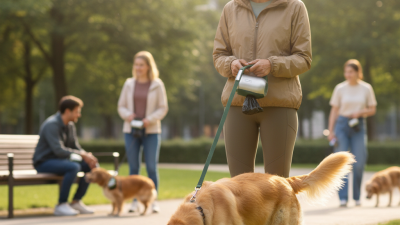
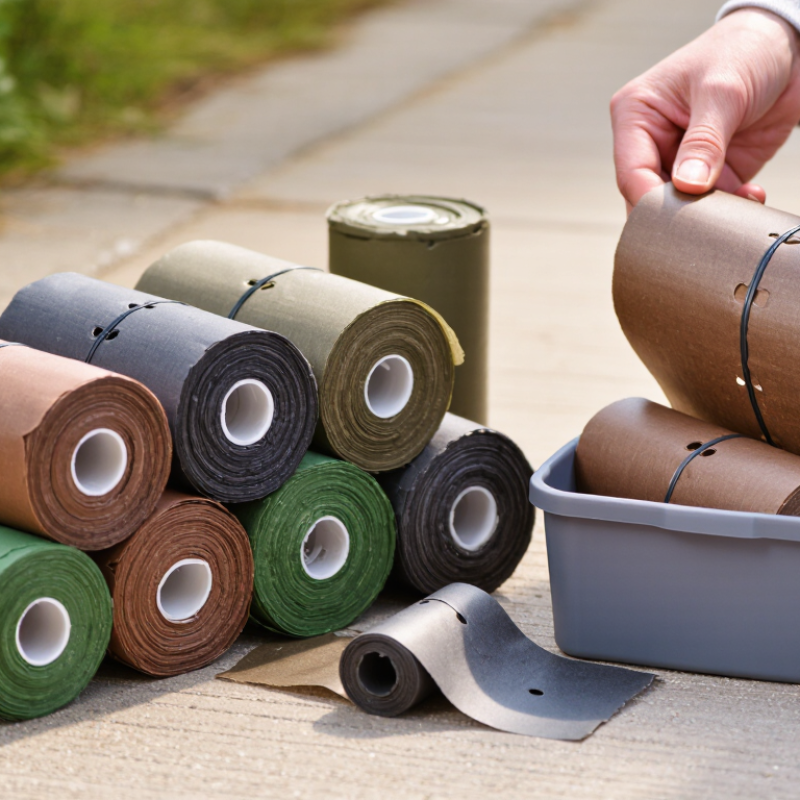
Choosing personalized poop bags starts with your dog’s real walking routine, not a generic checklist. Note your dog’s size, waste volume, and usual number of bowel movements. A small dog on short evening walks may need compact bags with easy-to-open edges. A large dog may require wider, stronger bags for cleaner handling. I once bought bags based only on price. They felt too narrow during rainy walks. That mistake changed how I assess daily needs.

Consider the route, weather, and disposal points near your home. Long walks may require several bags, while parks without bins demand secure carrying options. If you walk before sunrise, a clear opening or visible color can reduce fumbling. For frequent use, choose a comfortable roll size and packaging that fits your leash pouch. Thickness matters, but excessive material may make bags bulky. Check local waste-disposal guidance before selecting any special material.

Test one week of normal walks before ordering a large custom batch. Record torn bags, unused extras, and moments when opening was difficult. Keep it simple. Your routine may change with seasons, training, or a second dog. A printed name or friendly message can personalize the bag, but function should remain the priority. My own routine still needs adjustment on longer weekend walks. That is useful information, not a failure.
Choose Durable Materials for Reliable Leak and Tear Protection

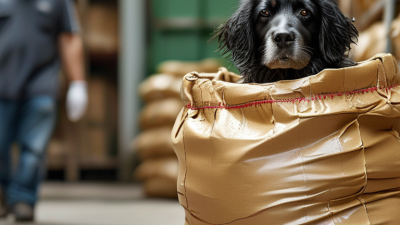
When choosing personalized poop bags, durability should come before attractive printing. In daily use, a thin bag can split against a sharp twig or a rough dispenser edge. I prefer bags with consistent film thickness, strong side seams, and a wide opening. A clear color check helps too. Uneven areas often signal weak spots.

Material selection matters. Recycled polyethylene can provide dependable tear resistance when properly processed, while compostable films need careful moisture and temperature testing. Ask suppliers for tensile and tear results, not vague words like “extra strong.” ASTM D882 evaluates film tensile properties, and ASTM D1004 measures tear resistance. These methods create more useful comparisons. Still, laboratory results do not perfectly copy a cold morning walk.

The demand is substantial. The American Pet Products Association reported 65.1 million U.S. households owned a dog in its 2023–2024 National Pet Owners Survey. That scale makes small failures frustrating and wasteful. Test customized bags after printing, because ink, heat, and perforations may weaken the film. Fill each bag with water, twist the top, and drag it lightly across concrete. It is not a certified test. It is a revealing one. A supplier should also provide batch records and seal-strength data. Personalization should improve identification, not hide poor construction.

7 Tips for Choosing Personalized Poop Bags: Choose Durable Materials for Reliable Leak and Tear Protection

Representative tensile-strength values show why material selection matters. HDPE and compostable polymers such as PBAT and PLA can provide stronger tear resistance than standard LDPE, although final performance also depends on film thickness, sealing quality, and storage conditions.

Compare Bag Sizes, Thicknesses, and Dispensing Convenience

Choosing personalized poop bags starts with the dog, not the design. The 2023–2024 APPA National Pet Owners Survey reports that 66% of U.S. households own a pet. That scale makes everyday convenience important. A small dog may manage an 8 x 12-inch bag, while a larger dog usually needs at least 9 x 13 inches. More room reduces contact with the waste. It also makes tying easier.

Thickness deserves careful attention. Many lightweight bags measure about 15–20 microns, but larger dogs often need 20–30 microns for better puncture resistance. Microns matter more than vague words like “extra strong.” Test the bag with one hand before buying bulk quantities. I once trusted attractive packaging and ignored the seam. That was a poor choice. A leak can ruin a walk quickly.

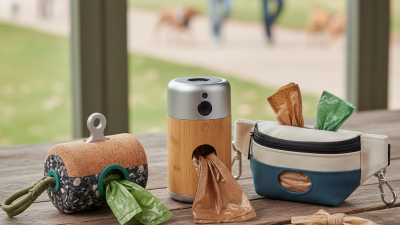
Dispensing design affects real-world use. A roll with a firm cardboard core should tear cleanly, even in cold weather. A side opening helps one-handed dispensing, especially when holding a leash. A secure clip can keep spare rolls attached to a pocket or walking pouch. Grand View Research identifies convenience and leak resistance as key growth factors in the pet waste bag market. Still, market claims are not personal testing. Check the opening width, seam quality, roll length, and storage space. Some bags feel thick but separate poorly. That detail is easy to miss.

Evaluate Personalization Options, Printing Quality, and Design Fit

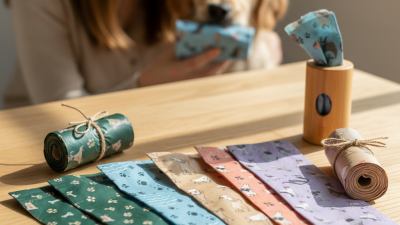
Personalized poop bags should be judged by more than a colorful logo. Tip: Define the bag’s purpose before choosing artwork. A small dog-walking service may need compact rolls, while parks need larger, highly visible bags. Tip: Request several personalization options, including surface color, logo placement, and custom messages. The design should remain clear when the bag is folded or wrapped around a roll.

Tip: Ask for a physical proof before approving production. Digital previews can hide thin lines, weak contrast, or unexpected color shifts. My first proof looked attractive, but the pale lettering nearly disappeared on the finished film. Tip: Check printing quality under ordinary lighting. Look for sharp edges, even ink coverage, and clean registration between colors. Tip: Rub the printed area gently with a dry cloth. Fading or smearing suggests poor ink adhesion. Small details matter.

Tip: Match the design to the bag’s actual size. A crowded logo may look professional on screen but feel cramped on a narrow bag. Tip: Keep essential information away from seals and perforations. Tip: Confirm that the film, handle shape, thickness, and roll format suit daily use. A beautiful package is not useful if it tears during dispensing. I also recommend testing samples outdoors, where sunlight and moisture reveal weaknesses quickly. Perfection is unlikely, so record what failed and adjust the next proof carefully.

7 Tips for Choosing Personalized Poop Bags - Evaluate Personalization Options, Printing Quality, and Design Fit

Tip Evaluation Dimension What to Check Practical Guidance Suggested Priority
1 Personalization Options Confirm whether the supplier supports custom names, messages, icons, patterns, colors, and logo-free artwork. Choose options that match the intended use, such as household identification, event favors, shelter programs, or subscription packaging. High
2 Printing Quality Inspect sample bags for sharp text, consistent color, clean edges, and legibility after the bag is stretched or handled. Request a physical or production sample before placing a large order. Small text and thin lines are more likely to lose clarity. High
3 Design Fit and Readability Evaluate contrast, font size, image scale, repeat pattern, and how the design appears on a curved roll or folded bag. Use simple artwork, strong contrast, and adequate spacing. Keep essential information away from seams, perforations, and handles. High
4 Bag Size and Usability Check bag dimensions, opening size, roll format, perforation strength, handle design, and compatibility with the intended dispenser. Select a size that provides enough room for the typical waste volume while remaining easy to separate, open, and tie. High
5 Material and Leak Resistance Review the film type, thickness information, seam construction, puncture resistance, and performance under normal handling. Do not judge quality by thickness alone. Test seams and the bottom of the bag with a controlled, non-hazardous water check when appropriate. High
6 Environmental Claims Look for specific material and disposal information, recognized certifications where applicable, and clear explanations of claims such as compostable or recycled. Match the product to local waste-management rules. A product described as compostable may require specific commercial composting conditions. Medium
7 Order Terms and Quality Control Compare minimum order quantity, proofing process, production timeline, replacement policy, packaging, and storage instructions. Approve the final artwork proof and document agreed colors, dimensions, print placement, and acceptable quality standards before production. High
Selection rule: Prioritize reliable bag performance and readable printing first, then refine colors, graphics, and personalization features to suit the intended audience and use case.

Check Eco-Friendly Features, Safety Standards, and Overall Value

7 Tips for Choosing Personalized Poop Bags

Personalized poop bags should be practical before they become attractive. Check whether the bag material has clear environmental claims and independent testing. Terms like “green” can sound reassuring but prove very little. Look for compostability or recycled-content details supported by recognized standards. Consider the intended disposal system, because compostable does not always mean suitable for every bin. I once chose a thinner bag for convenience, then regretted it after a rough walk. Durability matters.

Safety standards deserve close attention. Examine seam strength, leak resistance, tear performance, and material disclosures. A reliable supplier should provide test information instead of vague promises. Printing also matters. Ask whether the ink is low-odor and designed for safe handling. The packaging should protect unused rolls from moisture and heat. Keep storage simple. Personalized designs should never hide essential instructions or disposal warnings.

Overall value means more than the lowest price per roll. Compare the number of usable bags, bag size, thickness, dispenser compatibility, and delivery packaging. A slightly higher cost may be reasonable if fewer bags split or stick together. However, expensive customization is not automatically better. I would request a sample and test it with different waste sizes, especially on cold or rainy days. My judgment is still imperfect; appearance can influence me too quickly. Clear specifications, consistent quality, and responsive support offer stronger evidence than attractive artwork. Look beyond the label.