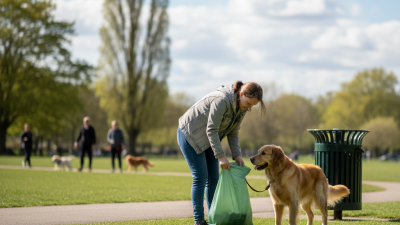
Why You Should Use Waste Dog Bags for a Cleaner Environment?
As our planet faces increasing environmental challenges, the importance of using Waste Dog Bags cannot be overstated. Dr. Emily Carter, a leading environmental scientist, emphasizes that "every small action contributes to a cleaner environment." This statement resonates deeply, especially when we consider the shocking statistics about pet waste pollution.
Many pet owners overlook the impact of dog waste on our ecosystems. An estimated 63 million dogs in the U.S. alone produce 20 million tons of poop annually. Without proper disposal, this waste contaminates local water sources and contributes to soil degradation. Waste Dog Bags serve as a simple yet effective solution. They ensure responsible disposal and help maintain clean public spaces. However, not all bags are created equal.
Some bags break down quickly, while others remain in landfills for years. Choosing eco-friendly options is crucial. Pet owners must reflect on their choices. Using Waste Dog Bags is a small effort that can lead to significant environmental benefits. This practice can help protect our parks and make our communities cleaner. By taking responsibility, dog owners can play a part in creating a healthier planet.

Benefits of Using Waste Dog Bags for Environmental Cleanliness
Using waste dog bags is crucial for maintaining a cleaner environment. Studies indicate that pet waste contributes to water pollution. In fact, according to the Environmental Protection Agency, dog waste can contain harmful pathogens. These pathogens can contaminate local water sources and harm wildlife. Using waste dog bags helps to reduce this risk significantly.
Moreover, over 60 million pet dogs in the United States produce a staggering amount of waste each year. Leaving this waste in public spaces is not only unsightly but can also lead to the spread of disease. A recent survey showed that communities noticing increased use of pet waste bags experienced up to 80% less public waste complaints. This statistic highlights the positive impact of responsible pet ownership on environmental cleanliness.
However, not all pet owners utilize waste bags consistently. Some may think it’s harmless to leave waste behind. This mindset contributes to pollution and public health issues. Efforts to educate pet owners are vital to changing behavior. By promoting the use of waste dog bags, we can foster a healthier environment for both pets and people. The benefits are clear, but challenges remain.
Benefits of Using Waste Dog Bags for Environmental Cleanliness
The Environmental Impact of Dog Waste on Ecosystems
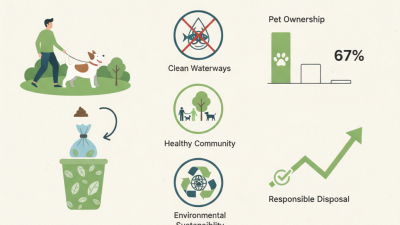
Dog waste can seriously harm our environment. According to the U.S. Environmental Protection Agency (EPA),
pet waste contributes to 30% of water pollution in urban areas.
When not disposed of properly, dog waste can seep into waterways, contaminating rivers and lakes. This
contamination can lead to algal blooms, which consume oxygen and harm aquatic life. Industry experts
emphasize the importance of using waste dog bags to mitigate this issue.
The decomposition of dog waste in soil introduces harmful bacteria and parasites. A single gram of feces
can contain over 23 million coliform bacteria.
Without proper disposal, these pathogens can spread to humans and wildlife. Many municipalities report
increased healthcare costs related to waterborne diseases linked to untreated dog waste. Responsible pet
ownership involves using waste bags, reducing the risk of environmental contamination, and promoting
public health.
Yet, awareness of dog waste’s impact remains low. Some dog owners still neglect proper disposal, creating
a ripple effect on local ecosystems. Education is key.
Communities must prioritize recycling and waste management to transform attitudes. The anecdote of a local
park plagued by neglected waste illustrates the urgent need for better habits. Simple changes in dog
waste management can lead to a cleaner environment.
How Waste Dog Bags Contribute to Cleaner Public Spaces
Waste dog bags play a crucial role in maintaining cleaner public spaces. When dog owners dispose of their pets' waste properly, they help keep parks and sidewalks sanitary. This not only improves the aesthetics of these areas but also protects local wildlife and water sources from harmful bacteria.
Using waste dog bags can be a simple yet effective practice. Choose biodegradable bags to minimize environmental impact. Always carry extra bags during walks. This ensures that you are prepared if your dog needs to relieve itself. By making this part of your routine, you contribute to a cleaner community.
However, there are challenges. Some pet owners still neglect to pick up after their dogs. This behavior leads to health risks and unpleasant odors in public spaces. It’s essential to remind fellow dog owners of their responsibilities. Encourage them to understand the positive impact their actions can have on the environment.
Choosing the Right Type of Dog Waste Bags for Eco-friendliness
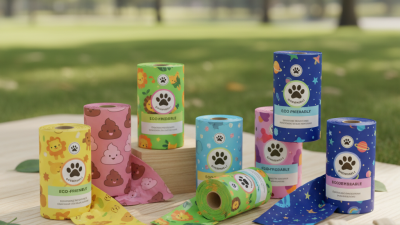
When it comes to choosing dog waste bags, eco-friendliness should be a priority. Not all bags are created equal. Many options are available, from biodegradable to compostable bags. It’s essential to understand the differences. Biodegradable bags can take several years to break down. Compostable bags break down faster but require specific conditions.
Tips: Look for bags that meet ASTM D6400 standards. This ensures they are compostable. Check for any certifications that indicate the bags break down without harming the environment.
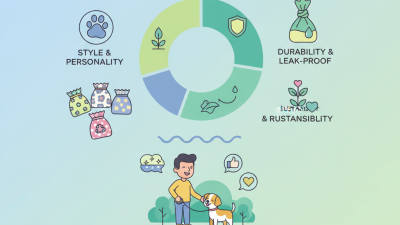
The materials used can also impact the environment. Some bags are made from recycled materials, which lessen the load on landfills. Others are made from plant-based materials, reducing fossil fuel dependence. However, not all plant-based bags are created equal. Some may still take years to decompose.
Tips: Always research the brand’s environmental impact. Reading reviews can provide insights into how well the bags perform. Choose bags that balance durability and eco-friendliness. Remember, even a small choice can lead to a cleaner environment. Reflect on how each bag you use contributes to waste.
Best Practices for Properly Disposing of Dog Waste Bags
Properly disposing of dog waste bags is crucial for maintaining a cleaner environment. According to the United States Environmental Protection Agency (EPA), dog waste contributes to significant water pollution. When left on the ground, it can leach harmful bacteria, which contaminate local waterways. This can pose serious risks to human health, wildlife, and ecosystems.
Best practices for disposing of dog waste bags include choosing biodegradable options. Reports indicate that these bags will break down much faster than traditional plastic, reducing landfill waste. It is essential to dispose of the collected waste in designated trash bins to ensure it is managed correctly. Leaving bags on the ground or tossing them into the woods is harmful to nature.
Some pet owners may think that picking up waste is enough. However, many people fail to consider what happens after disposal. In the U.S., approximately 30% of pet owners do not pick up after their dogs, which exacerbates pollution problems. Awareness of proper disposal methods is vital. Education on how to use waste bags effectively can foster a sense of responsibility within pet owner communities. We need to reflect on our habits while striving for cleaner, healthier surroundings for everyone.