Top 10 Poop Bag Wall Dispenser Tips for Pet Owners?
As pet ownership continues to rise—over 67% of U.S. households have at least one pet—responsible pet care has become increasingly important. One critical aspect of dog ownership is maintaining cleanliness in public spaces. The use of poop bags is essential for pet owners, and having an efficient solution is vital. Enter the Poop Bag Wall Dispenser, designed to make this task easier and more accessible.
According to a recent survey, approximately 80% of dog owners prefer using poop bag dispensers during walks. This statistic highlights the necessity for well-placed and reliable dispensing solutions. Effective management of pet waste not only improves community hygiene but also fosters a positive image for pet owners. However, many struggle with choosing the right wall dispenser. Factors like durability, accessibility, and design play significant roles in this decision-making process.
Despite the importance, some pet owners overlook the setup or maintenance of these dispensers. A poorly maintained dispenser can deter usage—therefore, understanding practical tips can enhance effectiveness. By exploring top Poop Bag Wall Dispenser tips, pet owners can ensure they are equipped for responsible pet waste management.

Top 10 Benefits of Using Poop Bag Wall Dispensers for Pet Owners
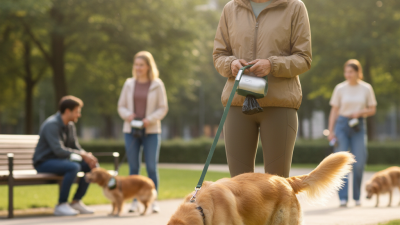
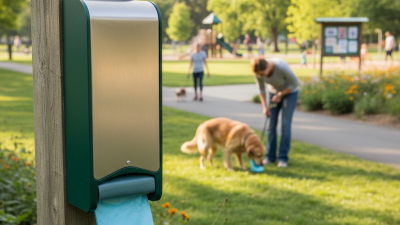
Using poop bag wall dispensers can significantly enhance the experience of being a pet owner. These dispensers offer convenience, ensuring that bags are readily available during walks. No more scrambling for bags at the last moment! With a wall dispenser, you can simply grab one and go. This simple action can make waste management much smoother.
Another benefit is encouraging responsible pet ownership. When bags are easily accessible, pet owners are more likely to clean up after their dogs. This practice promotes cleanliness in public spaces, benefiting the community and the environment. It’s surprising how a small shift like this can lead to collective accountability.
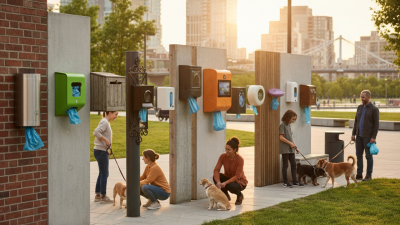
For effective usage, consider placing the dispenser in high-traffic areas. Visibility is key; if it's easy to spot, more owners will utilize it. Regular maintenance is essential, too. Check and refill the bins regularly to prevent inconvenience. Lastly, integrating a dispenser into your daily routine can transform how you approach walks with your pet, making it a seamless part of your journey together.
How to Choose the Best Poop Bag Wall Dispenser for Your Needs
Choosing the right poop bag wall dispenser is crucial for pet owners. With over 67% of U.S. households owning pets, the demand for efficient waste management solutions is growing. Pet owners need dispensers that are durable, weather-resistant, and easy to refill. Look for products made from high-quality materials to ensure long-term usage.
Consider the location where you will install the dispenser. Areas with high foot traffic, such as parks or community spaces, require more robust options. Research shows that well-placed stations can reduce messes by nearly 30%. Many dispensers come with added features, like a built-in waste bin or an arm to assist with bag retrieval.
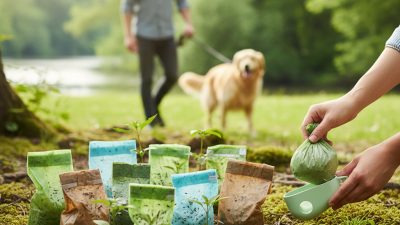
Another point to ponder is the environmental impact of the bags used. Many pet owners prefer biodegradable options, as traditional plastic bags take centuries to decompose. However, not all biodegradable bags are created equal. Some may break down poorly, leaving microplastics. Always read reviews and test various options to determine which meets your needs best.
Effective Installation Techniques for Poop Bag Wall Dispensers
Setting up a poop bag wall dispenser effectively is crucial for pet owners. First, choose a visible location. Dispensers should be near popular walking paths or park entrances. According to a 2022 report by the Pet Sustainability Coalition, accessible waste disposal options can increase responsible pet ownership by 70%. This highlights the importance of placement.
Next, use the right mounting hardware. Many dispensers work best with wall anchors. Ensure they can hold the weight. Incorrect installation can lead to damage or even accidents. Check the instructions thoroughly. Reports show that more than 30% of installations fail due to improper techniques. This emphasizes the need for attention to detail.
Consider regular maintenance as well. Inspect the dispenser monthly for clogs or damages. A clean and functional dispenser encourages usage. Yet, 85% of pet owners admit they forget maintenance. Keep a checklist to avoid this pitfall. Reflect on your setup. Are you maximizing the benefit for the community?
Top 10 Poop Bag Wall Dispenser Tips for Pet Owners
| Tip Number |
Tip Description |
Installation Technique |
| 1 |
Choose a Visible Location |
Install near common walking paths or parks. |
| 2 |
Secure Mounting |
Use screws and wall anchors for stable installation. |
| 3 |
Follow Manufacturer Instructions |
Ensure proper assembly before mounting. |
| 4 |
Regularly Check Supplies |
Set reminders to refill bags every week. |
| 5 |
Weather-Proof Installation |
Use water-resistant materials to avoid damage. |
| 6 |
User-Friendly Design |
Choose dispensers that are easy to use with one hand. |
| 7 |
Community Engagement |
Get feedback from local pet owners on placement. |
| 8 |
Label Clearly |
Use visible signs to indicate dispenser use. |
| 9 |
Consider Recycling |
Educate users on disposing of bags properly. |
| 10 |
Regular Maintenance |
Check functionality and cleanliness regularly. |
Best Practices for Replenishing Poop Bag Supplies Regularly
Maintaining a consistent supply of poop bags is crucial for pet owners. Regular replenishment ensures you’re always prepared.
Plan a restock schedule, perhaps every month. This routine keeps you from running out at inconvenient times.
Consider keeping a backup stash in your car or at your workplace. It’s easy to forget to check the dispenser at home. Each time you take a walk with your pet, visually inspect your poop bag supply. This habit reinforces the need for regular checks and prompts timely replenishment.
While it’s easy to forget, running out of poop bags can lead to awkward situations. No one wants to be caught unprepared. It's helpful to track how many bags you use weekly. This information aids in managing your inventory. Be mindful of your pet's habits. An active dog may require more bags than a calmer one. This awareness helps avoid panic during those necessary outings.
Environmental Impact: Biodegradable vs. Traditional Poop Bags
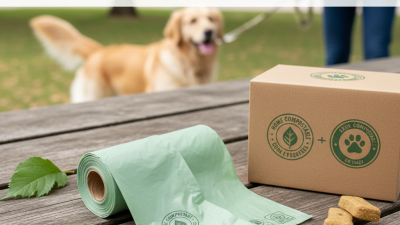
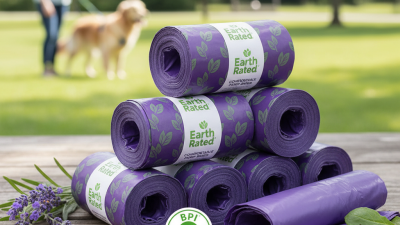
When it comes to pet waste management, the choice between biodegradable and traditional poop bags can make a big difference. Biodegradable bags are designed to break down more quickly than conventional plastic bags. They can decompose in a matter of months, reducing their environmental footprint significantly. Many pet owners appreciate this option for its potential to lessen pollution and protect wildlife.
On the flip side, traditional poop bags can take decades to decompose. While they are often more affordable, they contribute to landfill overflow. Many pet owners might overlook this issue amid convenience. Exploring local waste management options can lead to better practices. Some communities offer composting solutions for pet waste, allowing for a more eco-friendly approach.
It’s essential to consider how often we use these bags. A single dog can generate a substantial number of waste bags in a year. Small changes in our habits can lead to a significant impact. Opting for biodegradable bags is a step in the right direction. However, they are not a complete solution. The overall waste created by pet ownership requires deeper reflection and commitment to sustainable choices.