Top 10 Tips for Choosing the Best Training Bag for Dogs
Choosing the right training bag for dogs is essential for any dog owner or trainer seeking to maximize efficiency and effectiveness during training sessions. The pet industry has witnessed significant growth, with the American Pet Products Association reporting that U.S. pet spending reached a staggering $123.6 billion in recent years. Among this expenditure, dog training products represent a crucial segment, highlighting the increasing emphasis on professional and organized training methods.
A well-chosen training bag for dogs can make all the difference, enabling trainers to carry essential tools, treats, and training aids while maintaining organization and accessibility. According to a survey conducted by the Association of Professional Dog Trainers, over 75% of trainers believe that proper equipment, including a dedicated training bag, directly impacts training success. With an array of options available on the market, understanding the qualities that constitute the best training bag is vital for aspiring dog trainers and pet owners alike.

Understanding Different Types of Dog Training Bags Available
When selecting the best training bag for dogs, understanding the various types available is crucial for trainers and pet owners alike. There are primarily three categories of dog training bags: treat bags, multi-functional bags, and backpacks. Treat bags, designed for dispensing treats quickly, can enhance training efficiency by allowing trainers to reward dogs instantly. According to a survey conducted by the American Kennel Club, 78% of dog owners who use treat bags reported better training outcomes, emphasizing the importance of immediate reinforcement.
Multi-functional bags offer versatility, incorporating storage for treats, toys, and training tools in one convenient unit. These bags cater to trainers on the go, providing a practical solution for those engaging in both obedience and agility training sessions. A report from Pet Industry Market Research suggests that owners investing in versatile training equipment are 65% more likely to maintain regular training routines. Alternatively, backpacks are ideal for trainers who need to carry larger items, such as water bottles and gear for outdoor training. This type of bag allows for hands-free convenience, which is particularly beneficial during longer sessions, aligning with the industry's growing trend towards multi-purpose pet accessories.
Evaluating the Size and Capacity Requirements for Your Training Needs
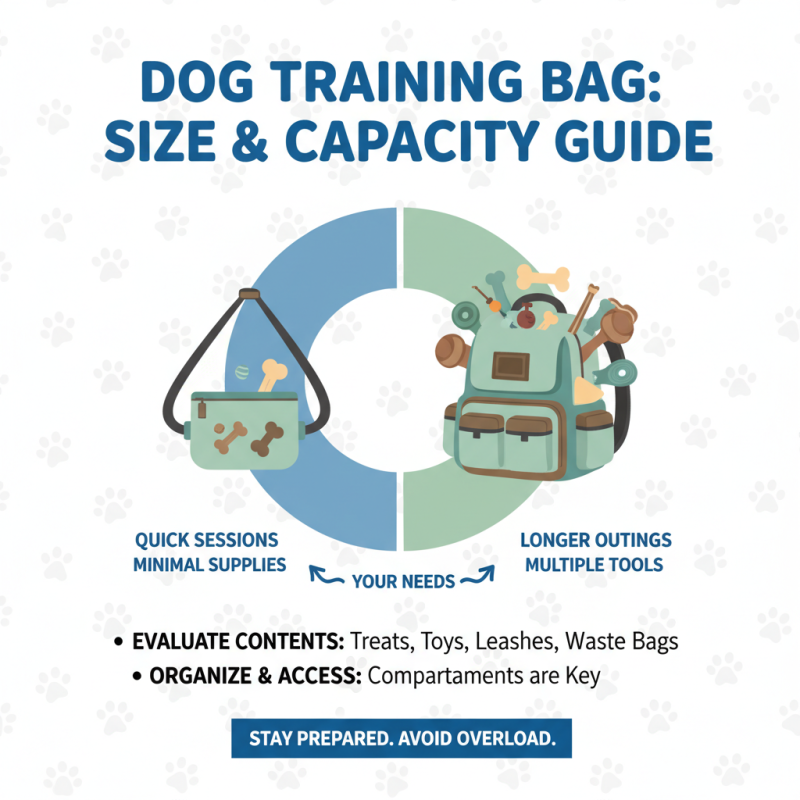
When selecting the best training bag for your dog, one of the most critical factors is evaluating the size and capacity requirements based on your training needs. A well-sized bag ensures you can carry all necessary tools, such as treats, toys, leashes, and waste bags, without feeling overloaded. Consider the number of items you typically take on your training outings. If you frequently carry multiple toys and a variety of treats, opt for a larger bag with compartments to keep everything organized and accessible.
Additionally, the style of training you plan to conduct can influence the size of the bag you need. For example, if you engage in agility training or long walks, you might require a bag that has room for a water bottle and additional supplies. Conversely, if your sessions are shorter, a compact design may suffice. Ultimately, by carefully assessing the scope of your training activities and the items you require, you can choose a training bag that perfectly fits your needs and enhances your training experience with your dog.
Material Selection: Durability and Weather Resistance Factors
When selecting the best training bag for dogs, material selection plays a crucial role in ensuring durability and weather resistance. A high-quality training bag should be made from materials that can withstand the rigors of daily use, particularly if you frequently train outdoors. Look for bags crafted from heavy-duty nylon or polyester, as these materials offer excellent resistance to wear and tear. Additionally, consider options that feature reinforced stitching, as this further enhances the bag's overall strength.
Another vital factor to consider is the weather resistance of the bag. Training often happens in various weather conditions, so choosing a bag that is water-resistant or even waterproof will protect your training gear from rain or moisture. For maximum weather resilience, opt for bags with sealed zippers and water-resistant coatings. These features will help keep your items dry and secure, allowing you to focus on training without worrying about the elements.
When choosing your training bag, ensure it has enough compartmentalization to organize your gear effectively. Look for bags with various pockets for treats, toys, and training tools, which will help you maintain a clutter-free environment while working with your dog. Prioritizing functionality alongside material will lead you to the best bag for your training needs.
Essential Features to Look for in a High-Quality Training Bag
When selecting a training bag for dogs, certain essential features can significantly enhance your training experience. Firstly, consider the size and capacity of the bag. It should be spacious enough to hold all necessary items such as treats, toys, and training accessories, yet manageable to carry during your training sessions. Look for bags with multiple compartments; this allows you to organize your supplies efficiently, ensuring you can easily access what you need when it matters most.
Durability is another crucial factor. Opt for high-quality materials that can withstand wear and tear from outdoor training sessions. Waterproof or water-resistant features can help protect your supplies from the elements, especially if you train in various weather conditions. Additionally, comfortable straps and handles are vital for easy transportation. A bag with adjustable straps can cater to both shoulder and cross-body carries, providing comfort over extended periods. By focusing on these essential features, you can choose a training bag that meets your needs and enhances your dog training experience.
Tips for Assessing Comfort and Usability During Training Sessions
When selecting the best training bag for dogs, comfort and usability should be top priorities. A well-designed bag should feature adjustable straps to ensure a snug fit, allowing trainers to move freely during sessions. Lightweight materials are essential to prevent fatigue, especially during longer training periods. Additionally, consider bags with padded backs and breathable fabrics to enhance comfort while also providing proper support to the trainer's back.
Usability is equally important in making the right choice. Look for training bags with multiple compartments to keep treats, toys, and clickers organized and easily accessible. Quick-release closures can be beneficial for swift access to essential items during training exercises. Furthermore, waterproof or easy-to-clean materials can make post-training maintenance hassle-free, ensuring that the bag remains in great condition despite the rigors of outdoor training sessions. A well-structured bag not only enhances the training experience but also helps maintain focus on your dog’s learning and development.