Top 5 Poop Bags to Discover at the 139th Canton Fair?
The 139th Canton Fair is approaching, and attention is drawn to the booming "Poop Bags" industry. Experts highlight the importance of sustainable and eco-friendly options. Dr. Emily Watson, a leading specialist in pet products, once said, "Innovative poop bags can significantly reduce our carbon footprint." This sentiment resonates as the demand for high-quality poop bags rises.
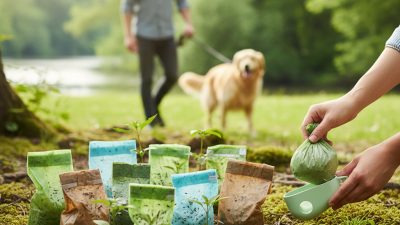
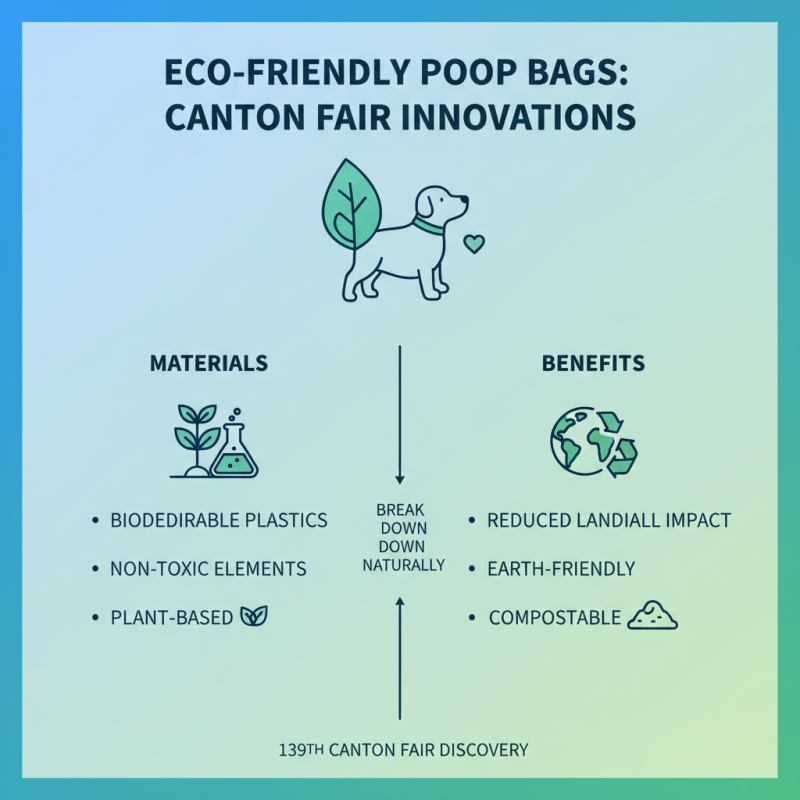
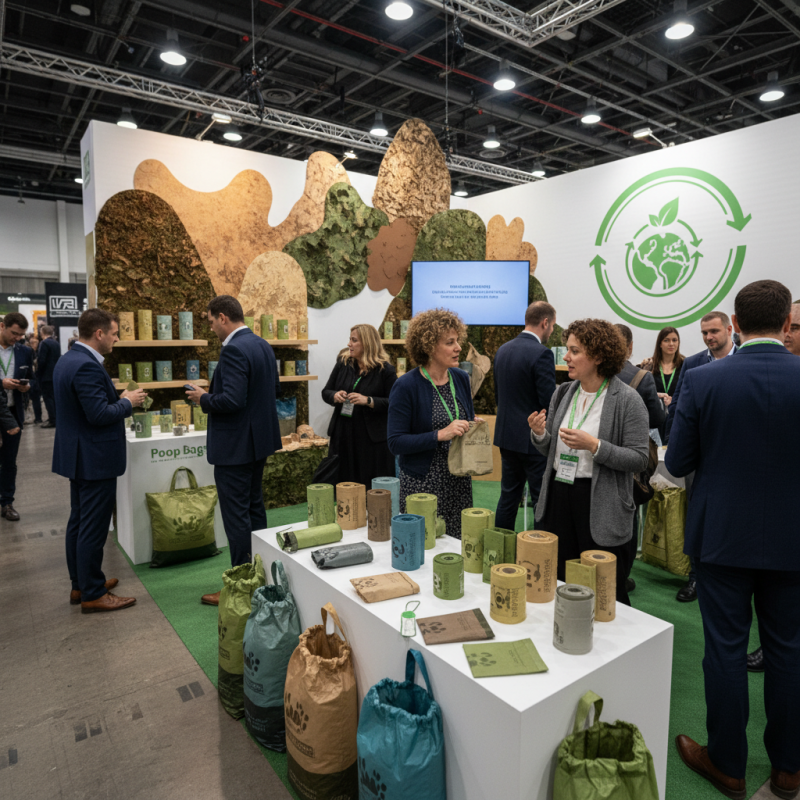
At this year's fair, manufacturers showcase unique designs and materials. These bags are made from biodegradable substances, appealing to environmentally conscious consumers. Attendees will discover items that blend functionality with style, presenting a win-win solution for pet owners and the planet.
However, not all products meet industry standards. Some bags may fall short in durability, leading to customer disappointment. Consumers must be discerning and informed. The fair offers an excellent opportunity to learn about the best products available, promoting responsible pet ownership and a cleaner environment. As the industry evolves, continuous improvement and reflection on quality will ensure that poop bags meet the needs of pets and their owners alike.
Top Features to Look for in High-Quality Poop Bags
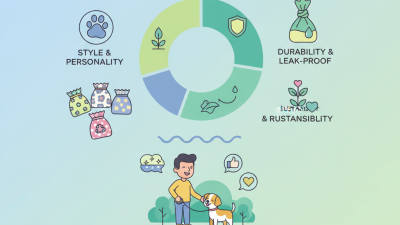
When searching for high-quality poop bags, it’s essential to consider several key features. First, thickness is crucial. Research indicates that 70% of pet owners prefer bags that are at least 15 microns thick. Thicker bags reduce the risk of tears and leaks. Additionally, bags that are biodegradable are gaining popularity. A survey revealed that 62% of environmentally conscious dog owners choose biodegradable options.
Another important feature is extra strength. Users often report issues with bag durability during daily walks. This is particularly critical for larger dogs. Tearing is a concern that many face. A study shows that nearly 45% of pet owners have experienced the frustration of a bag failing mid-use. It’s vital to opt for bags with reinforced seams to mitigate this problem.
Ease of use matters, too. Many bags designed with easy-tie closures make the cleanup simpler. Pet owners have expressed their appreciation for bags that effortlessly open and close. A staggering 80% of users prefer bags that can be dispensed with one hand. This convenience enhances the overall dog-walking experience. Therefore, while many choices exist, not all bags meet these essential criteria.
Top 5 Poop Bags at the 139th Canton Fair
Popular Brands Showcased at the 139th Canton Fair
The 139th Canton Fair is a significant event in the pet product industry. This year, an array of innovative poop bags attracts attention. Pet owners increasingly prioritize eco-friendly options. According to a market report, the global pet accessories market is projected to reach USD 24.92 billion by 2028. Poop bags are a vital segment of this market.
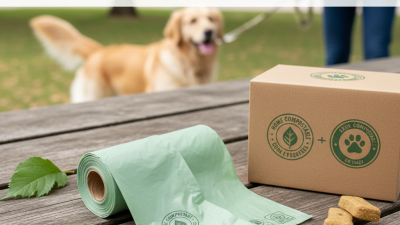
Several companies showcased biodegradable and compostable alternatives. These products are made from plant-based materials. They decompose quickly and reduce landfill waste. A recent study highlights that about 60% of pet owners prefer sustainable products. However, the challenge remains in ensuring that these bags are sturdy and leak-proof. Feedback from consumers often points to durability issues with eco-friendly options.
Moreover, some products fail to meet consumer expectations regarding size and convenience. Size variations in poop bags can lead to inconvenience for pet owners. The demand for larger, thicker bags is on the rise. Companies must address these concerns to remain competitive. Addressing these gaps may enhance the overall consumer experience in the pet accessory market.
Innovative Designs to Consider When Choosing Poop Bags
When choosing poop bags, innovative designs are gaining attention. According to recent industry reports, around 30% of pet owners prefer eco-friendly options. Many are shifting from traditional plastic to biodegradable materials. This change reflects a growing awareness of environmental impact. They want products that decompose quickly.
Several designs are now available that enhance usability. For instance, some bags feature easy-tie handles. This simple addition can make cleanup quicker and less messy. Another compelling aspect is odor control. Bags with scented options or extra thickness can minimize unpleasant smells during walks. This convenience appeals to busy pet owners.
However, not all designs are perfect. Some bags may rip easily, leading to spillages. Customers often report issues with size. A bag that is too small can make cleanup harder. It's crucial to find a balance between durability and ease of use. As the industry evolves, feedback will shape future innovations. Ultimately, thoughtful designs can improve the daily routine of pet ownership.
Top 5 Poop Bags to Discover at the 139th Canton Fair
| Features |
Material |
Size |
Quantity per Roll |
Biodegradable |
| Durable & Leak-Proof |
Cornstarch-based |
9 x 13 inches |
15 bags |
Yes |
| Extra Thick |
Recycled Plastic |
10 x 15 inches |
20 bags |
No |
| Easy-Tie Handles |
Bio-based Material |
9 x 12 inches |
25 bags |
Yes |
| Odor Control |
Plant-derived Polymer |
9 x 13 inches |
30 bags |
Yes |
| Scented Options |
Traditional Plastic |
8 x 12 inches |
20 bags |
No |
Price Range and Value Comparison of Featured Poop Bags
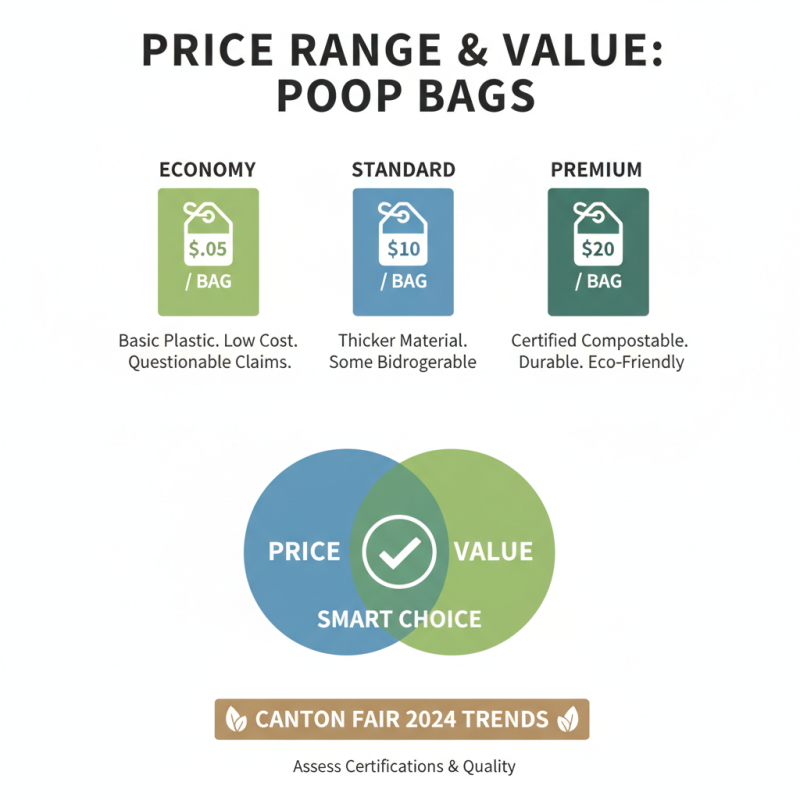
When considering poop bags, price and value are pivotal. At the 139th Canton Fair, a variety of poop bags are showcased. Prices typically range from $0.05 to $0.20 per bag. However, not all bags are created equal. Some may promise biodegradability while failing to meet standards.
Recent industry reports indicate a notable growth in the demand for eco-friendly options. Research suggests that 60% of pet owners prefer biodegradable bags. But even among these, quality varies significantly. Some bags labeled as biodegradable take longer to decompose than advertised. It's essential to scrutinize certifications and materials.
Understanding the cost versus value is crucial. A cheaper bag may save money but impact the environment more. In contrast, investing in a premium bag can lead to better performance and less waste. The decision is not always straightforward. As the industry evolves, buyers must reflect on their choices to ensure they align with their values and needs.