Leave Your Message

China Top Compostable Dog Poop Bag Suppliers?

China has become a major sourcing base for pet-care products, including compostable waste bags. Industry reports from Grand View Research and Mordor Intelligence identify rising pet ownership and stronger sustainability expectations as key market drivers. These trends make China Top Compostable Dog Poop Bag Suppliers? a practical purchasing question for retailers, distributors, and private-label brands.

The phrase Dog Poop Compostable requires careful verification. A bag should not be judged by green color or plant-based claims alone. Reliable suppliers can provide material details, production records, and recognized certifications such as EN 13432, ASTM D6400, or BPI approval. The European Bioplastics market data also shows continued growth in certified compostable plastics, although composting infrastructure remains uneven. That limitation matters.

Look beyond price.

Experienced buyers usually inspect film thickness, seal strength, roll perforation, odor control, and storage performance. A useful sample test includes pulling a filled bag, checking leaks, and leaving it in warm, humid conditions. Supplier audits can also review extrusion lines, printing controls, batch traceability, and export documentation. These details separate consistent manufacturers from traders with attractive catalogs.

Still, “top” is not universal. A hotel chain may prioritize bulk pricing, while a pet retailer may need custom packaging and smaller minimum orders. Some compostable bags perform well only in industrial composting systems, not in a backyard bin. That distinction is easy to miss. This guide compares Chinese suppliers through product quality, certification evidence, production capability, customization, communication, and long-term reliability, while recognizing that sustainability claims deserve ongoing testing and honest scrutiny.
China Top Compostable Dog Poop Bag Suppliers?

What Are Compostable Dog Poop Bags?

Compostable dog poop bags are designed to break down into carbon dioxide, water, and biomass under specific composting conditions. Many use plant-based materials, such as cornstarch blends or compostable polymers. Their feel can resemble ordinary plastic, but their environmental performance depends on proper disposal.

Compostable does not mean disposable anywhere.

In practical use, a reliable bag should open easily, resist tearing, and hold waste without leaking. A wet sidewalk can expose weak seams quickly. Buyers should check thickness, seal quality, packaging details, and storage instructions. Heat and humidity may weaken unused bags over time.

Suppliers should provide clear evidence, such as compostability testing under recognized standards. Certification details matter more than green wording.

Most compostable dog poop bags need commercial composting facilities. They may not break down safely in a backyard compost pile. Dog waste can also contain pathogens, so local composting rules must be checked before disposal.

I once assumed a “compostable” label solved everything. It does not.

The bag still needs the right facility, temperature, moisture, and processing time. A careful supplier explains these limits instead of promising instant decomposition.
Key Materials and Compostability Standards

China Top Compostable Dog Poop Bag Suppliers?

Material selection determines whether a dog poop bag composts as claimed. Many suppliers use PBAT blended with PLA, starch, or other plant-based fillers. PBAT provides flexibility, while PLA can improve structure and heat resistance. Starch may reduce petroleum content, but it does not make a bag compostable by itself. Check the complete formulation.

Thickness also matters. A very thin bag may reduce material use, yet tear during collection or transport. In practical sourcing, test bags with wet waste, sharp grass, and warm storage conditions. A reliable supplier should provide samples, production records, and batch-level quality checks. Some factories offer attractive certificates, but the certificate may cover only one product size or film formula.

Compostability standards need careful reading. EN 13432 and ASTM D6400 mainly address industrial composting. ISO 17088 is also used for compostable plastics. These standards examine disintegration, biodegradation, compost quality, and restricted substances. Home compostability is different and usually requires separate testing.

Look for certification from an independent, recognized body, not only a supplier declaration. Claims such as “100% biodegradable” can be incomplete. The bag may degrade only under controlled heat, moisture, and microbial conditions. That limitation should appear clearly on packaging and technical documents.

Supplier audits remain useful, but they are not perfect. A factory can pass one inspection and still vary between batches.

How to Evaluate Chinese Dog Poop Bag Suppliers

China Top Compostable Dog Poop Bag Suppliers?

How to Evaluate Chinese Dog Poop Bag Suppliers

Evaluating a Chinese supplier requires more than comparing online prices. Ask for the factory address, production capacity, material formula, and recent testing documents. Confirm whether the bags use certified compostable resin or ordinary plastic with green coloring. That difference matters.

Request samples from several production batches. Check thickness, stretch, tear resistance, sealing quality, and odor. A filled bag should remain secure during lifting and tying. Test it with damp waste, not only dry tissue. Small details reveal weak manufacturing control. Price is only a starting point.

Review evidence against recognized standards, such as EN 13432 or ASTM D6400, and verify the certificate holder, test scope, and expiration date. Compostability claims may apply only to industrial composting. Do not assume home composting performance. An independent laboratory can confirm material and packaging claims. Ask for batch records, incoming-material checks, and corrective-action reports. Reliable suppliers usually explain problems clearly instead of promising perfection.

A factory audit can reveal crowded storage areas, poor dust control, or inconsistent labeling. Video calls help, but they cannot replace physical inspection. Purchase terms should define sample approval, inspection rights, delivery tolerances, and replacement procedures. I have seen attractive samples hide uneven seams in later batches. That possibility deserves attention. A careful supplier welcomes measurable standards and keeps communication traceable.

Top Supplier Types and Manufacturing Capabilities in China

China Top Compostable Dog Poop Bag Suppliers?

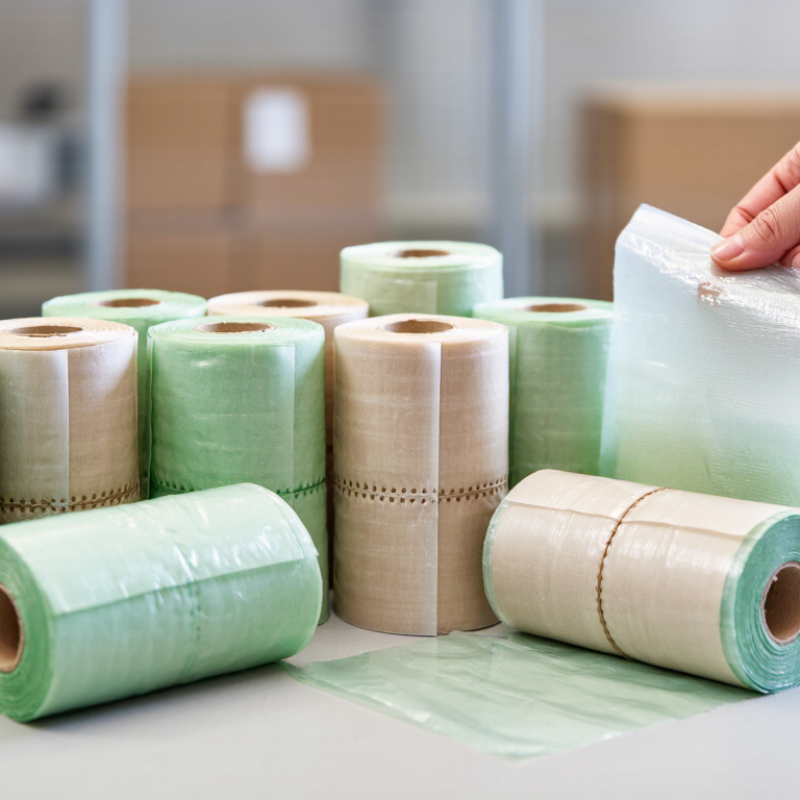
China’s compostable dog poop bag market includes several supplier types. Specialized film converters focus on compostable resin blending and blown-film production. Packaging factories often provide printing, roll winding, and bag conversion. Pet-product manufacturers may offer complete OEM services, including packaging and carton assembly. Each type has different strengths. Film converters usually offer better material control. Pet-product factories may provide easier product coordination.

Reliable suppliers should explain their resin source, film thickness, bag dimensions, and sealing process. Ask for production samples before placing a large order. A capable factory can adjust bag length, gusset size, roll core, handle shape, and perforation spacing. It should also maintain batch records and inspect sealing strength.

Testing should cover tear resistance, load performance, and compostability claims. “Compostable” needs clarification. Some products require industrial composting conditions, while others may meet home-composting requirements. Verify the relevant destination-market standards independently.

Factory visits or live production videos can reveal practical details. Look for clean extrusion areas, calibrated weighing equipment, and separated raw-material storage. A trustworthy supplier should provide current test reports from qualified laboratories.

Still, documents are not everything. Samples sometimes perform differently after storage or shipping. I would test bags in real outdoor conditions, including moisture and temperature changes. No factory is perfect. A supplier’s response to defects often matters more than polished sales language. Clear specifications, stable communication, and repeat testing create a safer purchasing decision.

How to Select the Best Supplier for Your Needs

Choosing a compostable dog poop bag supplier in China requires more than comparing prices. Start by checking material composition, production records, and independent test reports. Ask whether the bags use certified compostable polymers or unclear “eco” blends. Request current documents linked to recognized standards, such as EN 13432 or ASTM D6400. Test samples in your actual dispensers. A bag that feels strong in a factory sample may tear during a cold morning walk.

Inspect the supplier’s facility through a live video tour or an on-site audit. Look for clean storage, moisture control, documented quality checks, and consistent sealing equipment. Confirm minimum order quantities, production capacity, lead times, and export packaging before negotiating. Ask how defects are recorded and corrected. Clear answers matter more than polished brochures. Small details matter.

Reliable communication is equally important. Your supplier should explain thickness, bag dimensions, scent options, printing limits, and packaging materials without exaggeration. Check whether they can provide batch numbers and pre-shipment inspection results. A written sample approval process can prevent costly misunderstandings. Still, no supplier is flawless. I would leave room for trial orders, because early assumptions often fail under real use. Review delivery performance after each shipment, not only after the first successful order. A lower price may become expensive when weak seals, delayed cartons, or inconsistent sizing reach customers.