Essential Tips for Choosing Poop Bags With Dispenser?
Choosing the right poop bags with dispenser is crucial for responsible pet ownership. According to the Pet Industry Distributors Association, over 60% of pet owners prioritize eco-friendly options. This rising demand illustrates a shift in consumer preferences towards sustainable solutions.
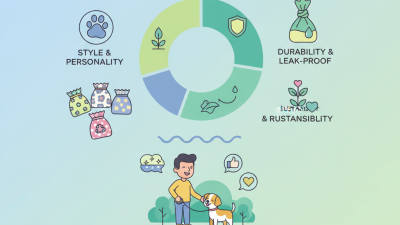
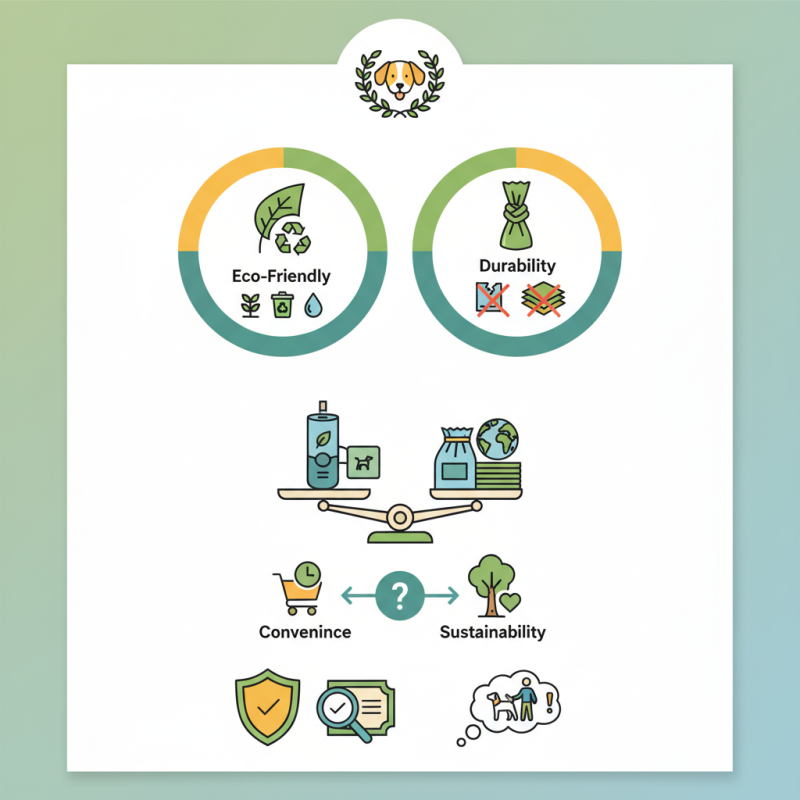
Dr. Emily Hart, a veterinary expert, emphasizes, "Selecting the right poop bags with dispenser goes beyond convenience; it's about environmental responsibility." Understanding this, we must consider various factors. The durability of the bags is essential. Thin bags can break easily, creating a mess. Conversely, overly thick bags may not be biodegradable.
It’s vital to find a balance. Some brands claim to be eco-friendly, but their certifications may be misleading. As you explore your options, reflect on what you want from a poop bag with a dispenser. Is it convenience, sustainability, or both? Clarity in your choice can lead to a more satisfying experience for both you and your pet.
Factors to Consider When Choosing Poop Bags
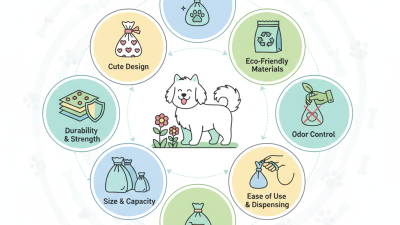
When choosing poop bags, several factors warrant attention. First, consider the material. Biodegradable options are available and often better for the environment. However, not all biodegradable bags break down equally. Their lifespan and effectiveness vary widely.
Next, think about the size and thickness. A bag that tears easily can create a messy situation. Choose bags that feel sturdy. They should be large enough to hold waste securely. Many bags are designed with extra room for ease of use, which can be a lifesaver during walks.
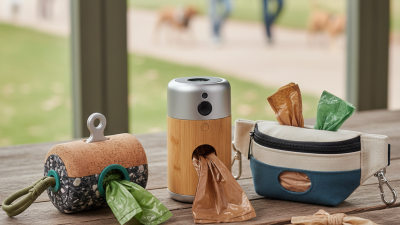
The dispenser is another important aspect. It needs to be convenient and easy to use. Some dispensers come with clips that attach to leashes. Others fit nicely in pockets. Ensure it’s easy to refill and retrieve bags. Some dispensers can be finicky, making you wrestle with the bag. This can be frustrating in an urgent moment. Always try a few options to find what works best for you.
Types of Poop Bags Available in the Market
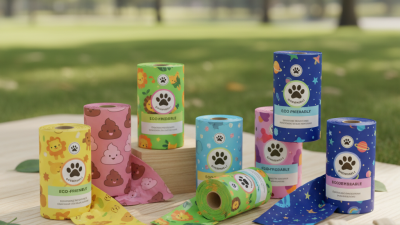
When it comes to choosing poop bags, there are various types available. Some bags are biodegradable, made from materials that break down easily. This option is better for the environment. Others are made from plastic, which is often cheaper but leaves a larger carbon footprint. It's essential to assess what you value most.
Poop bags also come with different thicknesses. Thicker bags are less likely to tear. They provide more security while disposing. However, thin bags can be more convenient. They are lightweight and easy to carry. It's a trade-off between durability and portability. Some users prefer scented bags, which can mask odors during walks. Others find them unnecessary. They may cause irritation for some pets.
When selecting a bag, consider the size. Small bags may not suffice for larger breeds. It's worthwhile to check the size options. Not all dispensers fit all bags. This mismatch can lead to frustrations during outings. Evaluate your own dog's needs and your lifestyle. Making the right choice takes some time and effort.
Understanding Dispensing Mechanisms for Poop Bags
When selecting poop bags and their dispensers, understanding the dispensing mechanisms is crucial. Many pet owners overlook the importance of how bags dispense. A study showed that 40% of users struggle with bags that are difficult to extract. This can lead to unnecessary frustrations during walks.
There are various dispensing designs. Some dispensers offer a simple pull-and-tear method. Others use a roll format that requires a twist. It's important to choose a mechanism that aligns with your lifestyle. For example, a hands-free option can streamline your journey. If you frequently walk with your dog in busy areas, consider a dispenser that can be easily accessed with one hand.
Tips: Look for dispensers that fit comfortably in your hand. Test how smoothly the bags come out. A seamless experience matters, especially during moments of urgency. Not all dispensers are created equal. You may find some bags tear more easily than others. Pay attention to the quality of the material too. That could save you from messy spills.
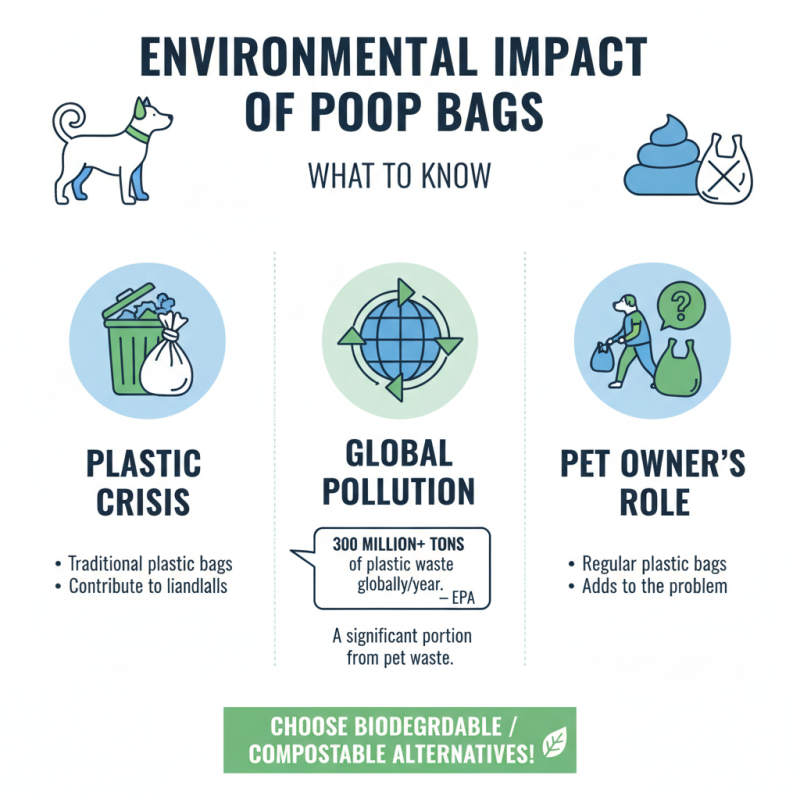
Environmental Impact of Poop Bags: What to Know
The environmental impact of poop bags is significant. Traditional plastic bags contribute to the growing waste crisis. According to the EPA, over 300 million tons of plastic waste is generated globally each year. A sizeable portion of this waste comes from pet owners using regular plastic bags for dog waste.
Biodegradable bags are a better choice. They break down more quickly than traditional plastic, usually within a few months under the right conditions. However, not all biodegradable bags are created equal. Some may still leave microplastics behind. A study from the Journal of Environmental Quality found that only specific types of biodegradable materials are truly effective in reducing waste.
Many pet owners remain unaware of the impact of their choices. Using traditional bags seems convenient, but the cumulative effect is harmful. Finding a balance between convenience and environmental responsibility is vital. Although biodegradable options may cost more, their benefits could outweigh the price. Investing in eco-friendly solutions is a step towards reducing our carbon footprints and protecting the planet.
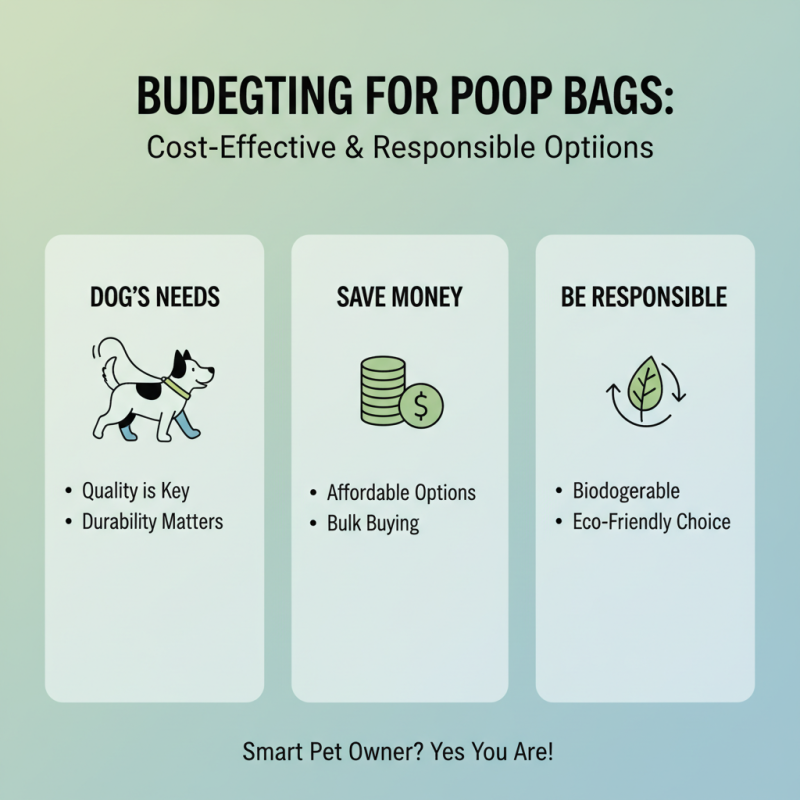
Budgeting for Poop Bags: Cost-Effective Options
When budgeting for poop bags, consider your dog's needs. Quality bags are essential, but they don’t have to break the bank. Many cost-effective options provide durability without sacrificing function. Look for biodegradable options that respect the environment. This choice reflects a responsible pet owner mindset.
Buying in bulk can lead to significant savings. Larger packs often come at reduced prices per bag. However, be cautious; make sure you will use them before they expire. Investing in a sturdy dispenser helps manage the bags effectively, preventing waste and frustration during walks.
Evaluate your usage patterns. If you walk multiple dogs, you'll need more bags. Conversely, less frequent walks might mean downsizing your purchase. Keep an eye on your routine, and adjust your buying habits accordingly. Recognizing when to splurge or save can heavily impact your budget over time.