Leave Your Message

7 Tips for Buying Cat Trash Bags in Bulk

Buying Cat Trash Bags in bulk can simplify litter-room routines, but quantity alone does not guarantee value. A low-priced case may contain thin bags, weak seams, or rolls that do not fit your bin. The wrong choice creates torn liners, scattered litter, and unpleasant cleanup near the cat’s box. It also leaves unused bags taking up valuable storage space.

Cat behaviorist Dr. Mikel Delgado offers a practical reminder: “A clean, predictable litter routine helps cats feel secure in their environment.” That principle applies to waste disposal, too. Reliable Cat Trash Bags should open quickly, hold damp litter safely, and tie closed without stretching or leaking. Small details matter.

This guide explores seven buying tips for homes, shelters, groomers, and multi-cat households. We will compare bag thickness, dimensions, odor control, material quality, roll design, storage needs, and total cost. Check the actual capacity. “Large” is not a universal measurement. A bag that fits one compact litter pail may fail on a deeper container.

Consider daily use, not just package size. A household with three cats may finish a small box within weeks. Another home may buy in bulk and discover brittle bags after long storage. That happened to many budget-focused shoppers, including me. Bulk purchasing can reduce waste, but only when the product matches your routine.

The best choice is practical. Not flashy. It should protect your hands, your floor, and your schedule.
7 Tips for Buying Cat Trash Bags in Bulk

Understanding Your Cat Waste Disposal Needs

7 Tips for Buying Cat Trash Bags in Bulk

Understanding Your Cat Waste Disposal Needs

Bulk buying starts with observing your cat’s daily routine. Track litter box use for one week. Note waste volume, odor strength, and how often you clean. One small bag may suit a single cat, but multiple cats usually need larger capacity. My own estimate was wrong once. I bought bags that filled too quickly and created extra handling.

Choose bags with enough width for your scoop and liner. Check thickness, stretch, and leak resistance before ordering many. A practical test is simple: place a little used litter inside, tie the bag, and leave it overnight. Look for moisture, tearing, or lingering odor. Strong drawstrings also matter when your hands are full.

Storage deserves attention. Keep unopened rolls away from heat, sunlight, and damp floors. Calculate your monthly usage, then add only a modest reserve. Excess stock can become brittle or forgotten. Consider whether the bag material matches your household waste requirements and local disposal guidance. Claims such as compostable or biodegradable need careful verification, not casual trust. Buying in bulk should reduce interruptions without encouraging waste. Reassess the size after changing litter type, adding a cat, or adjusting cleaning frequency. Small details matter.
Choosing the Right Bag Size, Material, and Strength

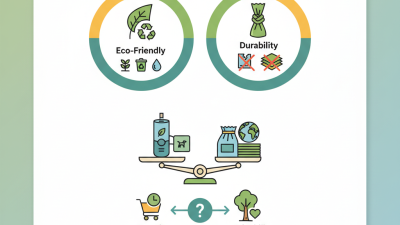
Buying cat trash bags in bulk becomes easier when size, material, and strength match your daily routine. Measure the litter box first. Measure before ordering. A bag should cover the base and rise several inches above the rim. Oversized bags waste storage space, while narrow ones may split during removal. Consider your disposal schedule too. A small household may prefer compact bags, while multiple cats need larger capacity and fewer changes.

Material affects handling and odor control. Thicker plastic usually resists punctures from litter clumps, but thickness alone does not guarantee quality. Check the product specification for measurable thickness and weight capacity. Recycled content can be useful, though softer materials may stretch more easily. I once chose bags by appearance and ignored the seam design. That was a mistake. The seams failed when damp litter pressed against them.

Strength matters most at the bottom and handles. Look for reinforced seams, flexible handles, and clear load guidance. Test one package before buying several cartons. Fill a bag with clean, used litter-like material, then lift it slowly from the handles. Watch for stretching, leaks, or sharp litter piercing the sides. Store bulk bags away from sunlight and heat, which can weaken plastic over time. Keep a few different sizes available if your litter box and cleaning habits change. Bulk savings are helpful, but unusable bags are not savings.

7 Tips for Buying Cat Trash Bags in Bulk - Choosing the Right Bag Size, Material, and Strength

Tip Buying Dimension Recommended Choice Useful Specifications Why It Matters Bulk-Buying Check
1 Match the bag to the litter-bin size Typical liner capacities: 4–8 L for small bins and 10–20 L for medium bins A bag that is too small may slip from the rim, while an oversized bag can waste material and storage space. Measure the bin height and circumference, then allow extra material for folding over the rim and tying.
2 Choose a practical bag capacity One litre equals 1,000 cubic centimetres of nominal volume; usable capacity is lower when the bag is tied. Daily clumps are usually easier to handle in smaller bags, while larger bags reduce the number of liners needed during a full litter change. Compare the stated capacity with the actual dimensions because capacity labels are not always standardized.
3 Select material according to disposal needs HDPE is generally crisp and lightweight; LDPE is generally softer, more flexible, and more resistant to stretching. Cat litter can be dense and abrasive, so flexible film often provides better protection against tearing when the bag is lifted. Check whether the bag is labeled recyclable, compostable, or oxo-degradable; these terms describe different disposal properties.
4 Prioritize thickness and strength Common film thickness ranges are approximately 8–20 microns for light liners and 20–40 microns for heavier-duty liners. Thickness alone does not determine performance; resin type, sealing quality, and film construction also affect puncture and tear resistance. Look for load guidance, leak testing, and a strong bottom seal instead of relying only on the word “heavy-duty.”
5 Compare closure styles Flat-top bags can be economical; drawstring bags provide a built-in closure; tie-handle bags are convenient for quick removal. A secure closure helps prevent loose litter, moisture, and odors from escaping during transport to the outdoor waste container. Confirm that the handle length is sufficient for the filled bag and that the closure does not reduce usable capacity excessively.
6 Evaluate odor and moisture protection Odor control depends mainly on prompt disposal, a secure closure, and moisture containment; scented additives are not essential. Fragrance can be unpleasant for people or cats with sensitivities, while a leak-resistant construction addresses the more practical problem. Check for unscented options, sealed seams, and clear disposal instructions before ordering a large quantity.
7 Calculate the real bulk value Cost per bag = total package price ÷ number of bags; cost per litre = total package price ÷ total stated capacity. A low unit price may not be economical if the bags are too small, tear easily, or require using two liners for one load. Review roll count, bag dimensions, material, thickness, closure type, carton quantity, and storage life before committing to a bulk order.

Comparing Bulk Pack Quantities and Storage Requirements

Buying cat trash bags in bulk can reduce costs, but pack size matters more than the lowest unit price. A large carton may suit a multi-cat home, while a small household could create unnecessary clutter. I usually estimate daily use, then multiply it by four weeks. Add a modest reserve for litter changes and unexpected messes. My first estimates are not always accurate.

Tip: Compare bags by usable volume, thickness, and count per roll. A pack with fewer, stronger bags may outperform a larger pack with frequent leaks. Check whether each bag fits your scoop container without stretching the seams. Small differences become obvious after several weeks.

Storage needs also change with quantity. Keep unopened packs in a cool, dry cupboard, away from sunlight and cleaning chemicals. Heat can make some plastic bags brittle over time. Moisture may affect cardboard packaging and make rolls difficult to separate. Leave walking space around the cartons, especially near a litter station. Do not stack heavy items on thin rolls.

Tip: Choose a quantity that fits your storage routine, not your optimism. For one cat, a one- to three-month supply is often manageable. Homes with several cats may need larger packs, but rotating older stock helps prevent forgotten bags. I once bought too many rolls and stored them in a humid utility area. The bags remained usable, but the packaging became inconvenient and dusty. That experience changed how I judge bulk value.

Checking Odor Control, Leak Protection, and Environmental Features

Buying cat trash bags in bulk requires more than checking the lowest price. My own early mistake was trusting “odor control” without testing the closure. Choose bags with a tight drawstring or secure flap. A thicker film can resist claws and wet litter, but thickness alone does not guarantee strength. Tip one: inspect the material specification. Tip two: compare capacity with your litter-bin size. Tip three: test one bag overnight with damp litter.

Leak protection deserves practical attention. Look for sealed seams and a reinforced base. Tip four: place a filled sample on newspaper for several hours. The paper quickly reveals moisture. Tip five: avoid bags that feel brittle when stretched. No bag is perfect. Sharp litter clumps can still puncture weak areas. The U.S. Environmental Protection Agency reported 292.4 million tons of municipal solid waste in 2018, making unnecessary packaging worth examining when buying large quantities.

Environmental claims need evidence, not attractive wording. Tip six: check whether “compostable” refers to industrial facilities, home composting, or neither. ASTM D6400 and EN 13432 describe recognized compostability requirements, but local facilities may not accept these bags. UNEP’s 2023 Turning off the Tap report states that plastic pollution could be reduced by 80% by 2040 through reuse, recycling, and better product design. Tip seven: request certification documents, recycled-content details, and carton specifications from the supplier. Compare bag count, packaging weight, and disposal instructions. Bulk savings can disappear if unused bags become brittle during storage. Keep cartons cool and dry.

Evaluating Prices, Suppliers, and Product Reliability

7 Tips for Buying Cat Trash Bags in Bulk

Evaluating Prices, Suppliers, and Product Reliability

Bulk buying starts with realistic usage data. The American Pet Products Association reported about 46.5 million U.S. households owned cats in 2024. That scale creates steady demand for reliable waste bags. Tip 1: compare landed cost, not carton price. Include shipping, customs, storage, and damaged units. Tip 2: request pricing at three quantities. A lower unit price may hide excessive minimum orders. Tip 3: calculate bag cost per disposal, not per package.

Supplier quality deserves equal attention. Grand View Research estimated the global cat litter market could grow at roughly 4.8% annually through 2030. More litter use can mean more waste-bag demand, but not every supplier can scale consistently. Tip 4: request recent production records and independent material-test results. Tip 5: order samples from different batches. Check seal strength, odor control, tearing, and handle comfort. Test them with damp, heavy litter. Small details matter.

Tip 6: inspect packaging before signing a large purchase. Moisture can weaken recycled or thin film. Ask how cartons are stored and protected. Tip 7: put replacement terms, lead times, and inspection rules in writing. I once focused too heavily on price and overlooked inconsistent bag thickness. That mistake was costly. Supplier certificates help, but they are not proof of every shipment. Recheck samples periodically, especially after a material change.

This practical evaluation model helps buyers compare cat trash bags in bulk. Unit price is important, but supplier consistency, material quality, leak resistance, delivery reliability, and packaging efficiency also affect the total value of a purchase.