Leave Your Message
Choosing a Puppy Poop Bag Dispenser in 2026 requires more than matching colors with a leash. Daily walks expose practical weaknesses: stiff zippers, rattling clips, damp bags, and openings that tear plastic.
The American Pet Products Association’s 2023–2024 National Pet Owners Survey reported that 66% of U.S. households owned a pet. That figure reflects a large, active market for dependable walking accessories. APPA also reported continued growth in pet-care spending, showing that owners increasingly value convenience and routine hygiene. However, spending more does not guarantee better design.
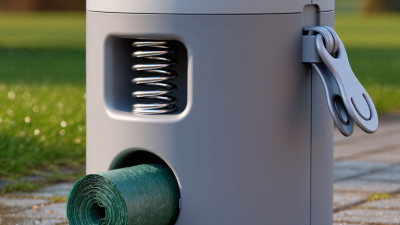
A useful Puppy Poop Bag Dispenser should support quick, clean handling. Look for a wide dispensing slot, secure attachment hardware, one-handed access, and enough interior space for a full roll. Waterproof fabric matters during rainy walks. A reflective strip can improve visibility near roads, although it cannot replace safe walking habits.
Material claims also deserve careful checking. ASTM D6400 applies to certain commercial compostable plastics, but it does not automatically certify every bag or dispenser. The Federal Trade Commission has warned businesses against vague environmental marketing claims. Buyers should read product specifications instead of trusting labels alone.
Market research from Grand View Research identifies pet accessories as an expanding category, but broad market growth says little about individual durability. That is where real use matters. A dispenser may look elegant online and still fail after two muddy walks. No design is perfect. This guide examines capacity, attachment security, cleaning, material quality, and comfort, helping owners choose a practical option for everyday puppy care.
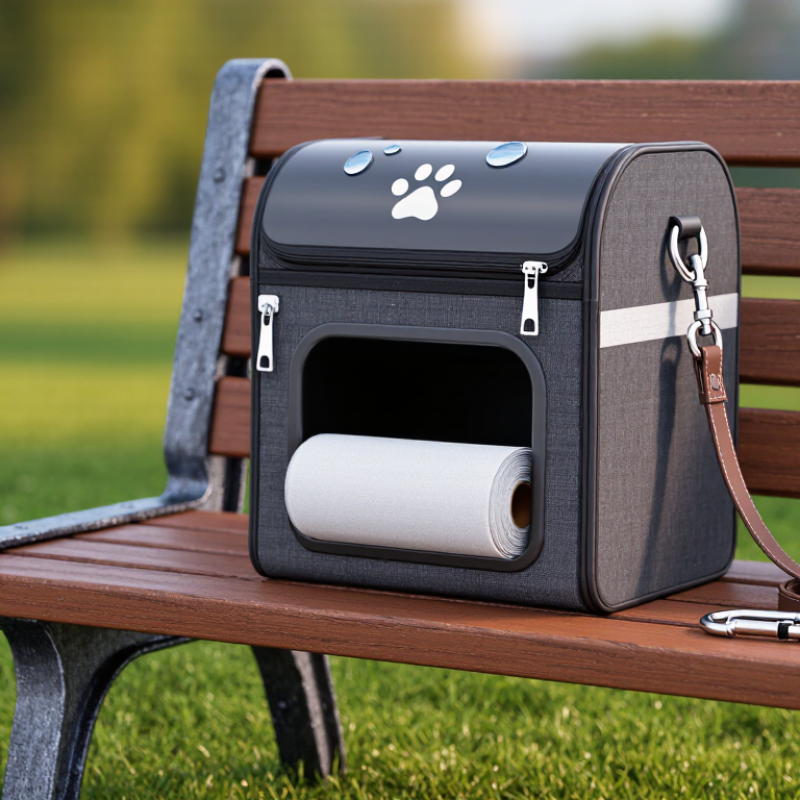
How to Choose a Puppy Poop Bag Dispenser in 2026?
What a Puppy Poop Bag Dispenser Is and Why It Matters
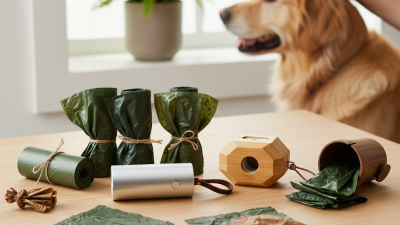
A puppy poop bag dispenser is a small holder that stores rolled waste bags during walks. Most attach to a leash, belt loop, or travel pouch. Its purpose sounds simple: keep bags dry, reachable, and ready when your puppy stops suddenly. That moment rarely waits for careful preparation.
From regular puppy walks, I have learned that access matters more than appearance. A dispenser should open with one hand and release one bag without tearing the roll. Rounded edges feel better against your hand. A secure clip also prevents the holder from swinging near your puppy’s legs. Lightweight construction helps during longer walks, but extremely thin plastic may crack in cold weather.
The dispenser also supports cleaner habits. A sealed or covered opening can reduce moisture exposure and keep unused bags cleaner. Look for compatibility with standard roll sizes, clear refill access, and a fastening point that does not loosen easily. Bright colors can improve visibility at dusk, although visibility is not a substitute for careful walking. I once chose a stylish holder with a weak zipper. It looked practical, but the bags fell out twice. That was a poor assumption. No dispenser is perfect, so check the closure, attachment, and material before trusting it on a daily route.
A practical comparison of the features, measurements, and safety considerations that matter when selecting a dispenser for puppy walks.
| Selection Dimension | Useful Data or Target Specification | Why It Matters | What to Check Before Buying |
|---|---|---|---|
| Bag Capacity | Common compact dispensers hold 1 standard roll, usually about 8–15 bags. Larger models may hold 2 rolls or include a small refill compartment. | A single roll is convenient for short walks, while extra capacity reduces the chance of running out during longer outings or puppy-training sessions. | Confirm that the internal chamber fits the roll diameter and width used by your preferred bags. |
| Bag Compatibility | Look for compatibility with standard perforated roll bags. A typical roll is approximately 5–7 cm in diameter, depending on bag thickness and winding. | Compatible roll dimensions make refilling easier and prevent the roll from jamming inside the dispenser. | Check the product’s stated maximum roll diameter and the width of the dispensing slot. |
| Dispenser Size | A practical walking size is approximately 7–12 cm long and 4–7 cm wide. Smaller units are lighter; larger units are easier to refill. | The dispenser should be large enough to operate comfortably without becoming a noticeable burden on a leash or clothing. | Compare the dimensions with your leash handle, pocket, treat pouch, or belt attachment point. |
| Weight | For everyday walking, a target of about 20–70 g without a roll is generally comfortable for leash or belt attachment. | Lower weight reduces leash swing and makes the accessory less distracting for a small puppy. | Consider the total weight after adding a full roll, especially if the dispenser will hang from a lightweight leash. |
| Attachment Method | Useful options include a secure clip, loop, carabiner-style hook, or belt attachment. A rotating connection can reduce twisting. | A reliable attachment keeps the dispenser accessible while helping prevent it from falling onto sidewalks or trails. | Check that the clip closes securely and that the attachment point can withstand repeated pulling and movement. |
| One-Handed Operation | The bag slot should expose one bag at a time without requiring tools or two-handed manipulation. | Puppies may move suddenly, so quick access helps the handler maintain control while collecting waste. | Test whether a bag can be pulled smoothly while wearing gloves or holding a leash. |
| Material and Durability | Common durable choices include ABS plastic, polypropylene, silicone, and coated fabric. The housing should resist cracking under ordinary outdoor use. | Walks expose the dispenser to drops, friction, dirt, and repeated opening and closing. | Look for smooth edges, a firm closure, and a dispensing opening that does not tear bags. |
| Weather Resistance | A covered or semi-enclosed design is preferable for rain, snow, and damp storage. No ordinary dispenser should be assumed to be waterproof unless specifically tested and rated. | Moisture can weaken paper packaging, make bags stick together, and accelerate wear of fabric or metal parts. | Check whether the roll is shielded from direct rain and dry the dispenser after wet walks. |
| Refill Convenience | A refill should normally take less than one minute and should not require screws, special tools, or complete disassembly. | Simple refilling encourages regular replacement and reduces the chance of carrying an empty dispenser. | Open and close the unit several times to verify that the latch remains secure but easy to operate. |
| Puppy-Specific Use | For puppies, carrying 15–30 bags can be useful when walks are frequent or house-training accidents are possible. | Puppies may defecate more often than adult dogs during extended outings, training walks, or schedule changes. | Choose capacity according to walk duration, number of dogs, and access to nearby waste bins. |
| Odor Management | A dispenser can reduce exposure to unused-bag odors, but it is not a sealed container for filled waste bags. | Used bags should be placed in an appropriate waste bin as soon as possible to limit odor and hygiene concerns. | Do not store filled bags inside the dispenser unless it has a separately designed, washable waste compartment. |
| Cleaning and Hygiene | Non-porous surfaces are easier to wipe clean. Removable parts should be washable with mild soap and water. | Dispensers may contact sidewalks, soil, leash surfaces, and contaminated packaging. | Avoid designs with deep grooves or fabric sections that retain moisture and dirt. |
| Visibility and Accessibility | High-contrast colors, a tactile opening, or a simple geometric shape can make the dispenser easier to locate in low light. | Better visibility reduces fumbling and helps the handler retrieve a bag quickly. | Make sure the opening is distinguishable by touch and does not blend into the leash or clothing. |
| Environmental Considerations | A reusable dispenser can reduce accessory waste. Recyclability depends on the specific material, local facilities, and whether different materials are bonded together. | Durable construction and long service life generally matter more than decorative features that encourage frequent replacement. | Prefer repairable or long-lasting designs and dispose of damaged parts according to local recycling guidance. |
| Best Overall Choice | A lightweight dispenser holding 1–2 standard rolls, with a secure attachment, smooth one-handed dispensing, a covered opening, and easy-clean surfaces. | This combination balances portability, reliability, hygiene, and convenience for most puppy-walking routines. | Prioritize secure access and dependable bag dispensing over unnecessary accessories or oversized storage. |
Practical tip: Before the first walk, load a complete roll and pull out two or three bags to confirm smooth dispensing. Keep a few spare bags in a pocket or walking pouch for unexpected delays.