How to Choose the Best Dog Bags for Your Pet's Needs?
When selecting the best Dog Bags for your pet, one must consider various factors. Statistics show that around 56% of pet owners prioritize safety in choosing accessories. This makes understanding your dog’s specific needs crucial. A well-chosen bag can enhance comfort during travels and outings.
The market for pet accessories has grown significantly, with an expected increase of 8.3% annually. This growth underscores the importance of knowing which features best suit your dog. For instance, a lightweight design is preferred by 70% of travelers. Similarly, durability stands as a top concern for 65% of pet parents.
However, while popularity guides choices, not all bags are suitable for every dog. Reflecting on personal experiences or reading reviews can help. Recognizing your dog's size and activity level is vital. A bag that works for a small, calm dog may not be ideal for an energetic, larger breed. Balance your options based on practical features and your dog’s unique personality.
Understanding Your Dog's Size and Breed Requirements
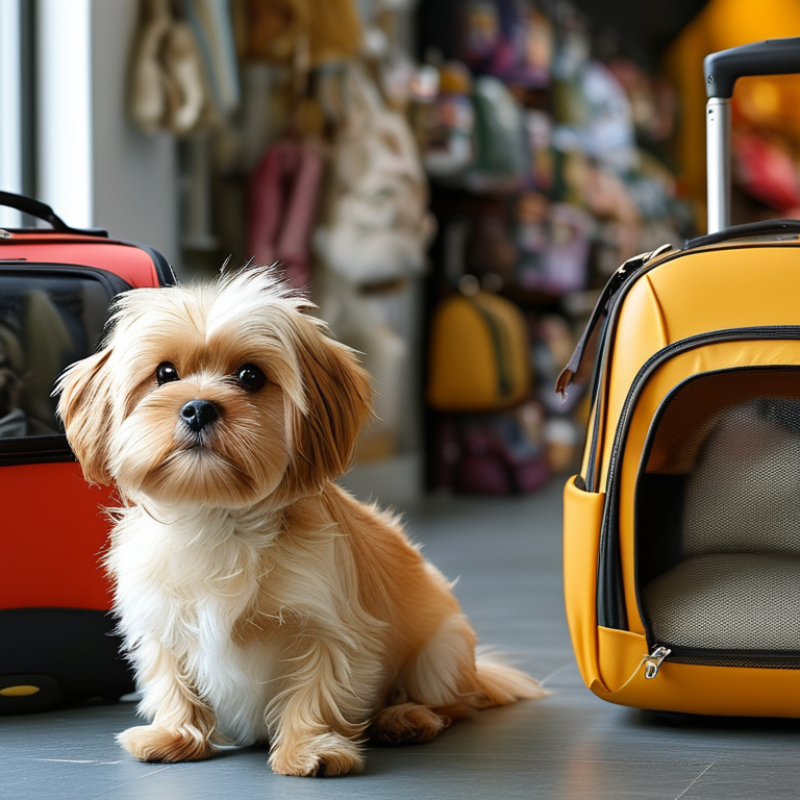
Understanding your dog's size and breed requirements is essential when selecting a dog bag. Different breeds have varying needs. A small dog like a Chihuahua will require less space than a large breed, such as a German Shepherd. This size difference affects the type, shape, and style of the bag necessary for comfort and safety.
Take into account the dog's weight and height. Measure your dog from the nose to the tail base to determine length. Check the weight limit of a bag to ensure it can carry your dog comfortably. Consider breed-specific traits as well. Bulldogs may benefit from a bag that offers more ventilation, while energetic breeds might need additional space to move around.
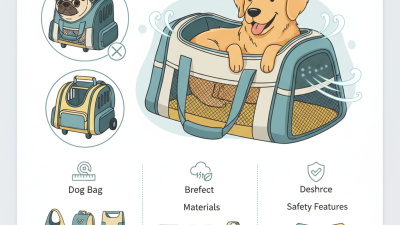
Dog bags can come in various materials, which also matter. Soft carriers are great for smaller dogs and those who enjoy cuddling. On the other hand, stiffer, more structured bags provide security for larger breeds. Think about how often you'll use the bag too. Frequent travelers may need something durable yet still comfortable for their pets. Your dog's personality, along with their physical characteristics, should guide your choice. Reflect on how your dog behaves in different environments to find the perfect fit.
Exploring Different Types of Dog Bags for Various Activities
When choosing a dog bag, consider its purpose. Different activities require specific designs. A carrier for travel has different needs than a bag for hiking. Look for sturdy materials and ergonomic designs. Lightweight options are great for short trips. Opt for ample ventilation if you're flying with your dog.
For outdoor adventures, a hiking backpack might be necessary. These should have extra pockets for water and treats. Reflective materials add safety during early morning or evening walks. Whether it's a day at the park or a longer trek, comfort is key for your pet.
Don't forget about your dog's size and behavior. A small dog may feel overwhelmed in a large bag. Conversely, an energetic pup needs a sturdier carrier. Always test for comfort and ease of use. This trial and error will guide you to the most suitable choice for both you and your pet.
Assessing Material Durability and Comfort for Your Pet
Choosing the right dog bag requires careful consideration of the materials used. Durability is crucial. Look for bags made from tear-resistant materials that withstand daily wear. Fabrics like nylon and canvas are often reliable choices. They offer strength and can endure rough handling.
Comfort is equally important for your pet. A bag with adequate padding and breathable fabric will keep your dog at ease. Check for adjustable straps too. These features can make a significant difference. Make sure the interior has a smooth lining to avoid irritation on your pet’s skin. Well-constructed bags should support your pet’s weight without sagging.
Evaluate the bag’s overall design. Unusual shapes may not fit tightly against your body. This can lead to discomfort for both you and your dog. Signs of wear, such as fraying seams, can undermine a bag’s integrity. If you notice these, reconsider your choice. An effective dog bag should balance durability without compromising comfort, fostering a better experience for you and your pet.
Evaluating Safety Features and Accessibility in Dog Bags
When selecting a dog bag, safety features should be at the forefront. Look for padded straps and reinforced seams. These elements help in making the bag more comfortable and durable. Ventilation is also crucial. Ensure the bag has mesh panels for airflow. This keeps your pet comfortable during travels.
Accessibility is another vital factor. A bag should have wide openings for easy entry and exit. Consider a bag with multiple compartments. This allows you to store essentials without rummaging through the main section. Easy-access pockets for treats and toys can save you time.
Tips: Always check zippers and clasps before purchasing. They should be sturdy yet easy to operate. Also, read reviews on the durability of the bag. Feedback from other pet owners can provide useful insights. Remember, not every stylish design is functional. Reflect on what your pet needs most. Make a thoughtful choice based on practicality and safety.
Considering Design and Style While Choosing a Dog Bag
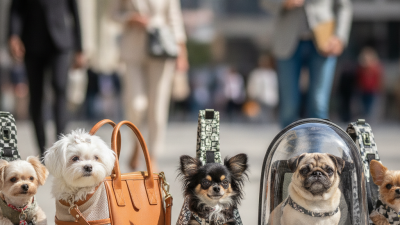
When selecting a dog bag, design and style play a vital role. A bag must not only be functional but also reflect your personality. Statistics show that 72% of pet owners consider aesthetics when choosing pet accessories. A well-designed bag can enhance your pet’s comfort while ensuring you stand out during walks or trips.
The materials used in dog bags are crucial. High-quality fabrics are essential for durability and ease of cleaning. Look for breathable materials to ensure airflow. Yet, many bags may prioritize style over practicality, leading to discomfort for pets. Some designs lack adequate padding or support, which can result in an unpleasant experience for your furry friend.
You may encounter dog bags that feature trendy patterns but compromise on functionality. It’s wise to find a balance. The right bag should accommodate your pet's needs while showcasing a stylish exterior. Remember to check for features like waterproof pockets and reflective straps for safety. So, while beautiful designs may catch your attention, the overall utility must remain core to your choice.