How to Choose the Best Degradable Dog Waste Bags for Your Pet?
In today’s eco-conscious world, choosing the right Degradable Dog Waste Bags is crucial for pet owners. As environmental expert Dr. Emily Greenstone highlights, “The right bags can make a significant difference in reducing our ecological footprint.” With the rising awareness of plastic pollution, many dog owners seek sustainable alternatives.
Selecting the best degradable bags involves understanding materials and certifications. Biodegradable and compostable options can break down more efficiently than traditional plastic. Many claim to be eco-friendly, but not all live up to their promises. Knowing what to look for can be overwhelming, especially with so many choices available.
It’s important to reflect on personal habits and the impact they have. While convenience is vital, being mindful of the environment is equally important. Finding reliable, high-quality Degradable Dog Waste Bags can support both your pet's needs and the planet. The journey to a more responsible choice is both rewarding and necessary, but it requires careful consideration.
Understanding the Importance of Degradable Dog Waste Bags
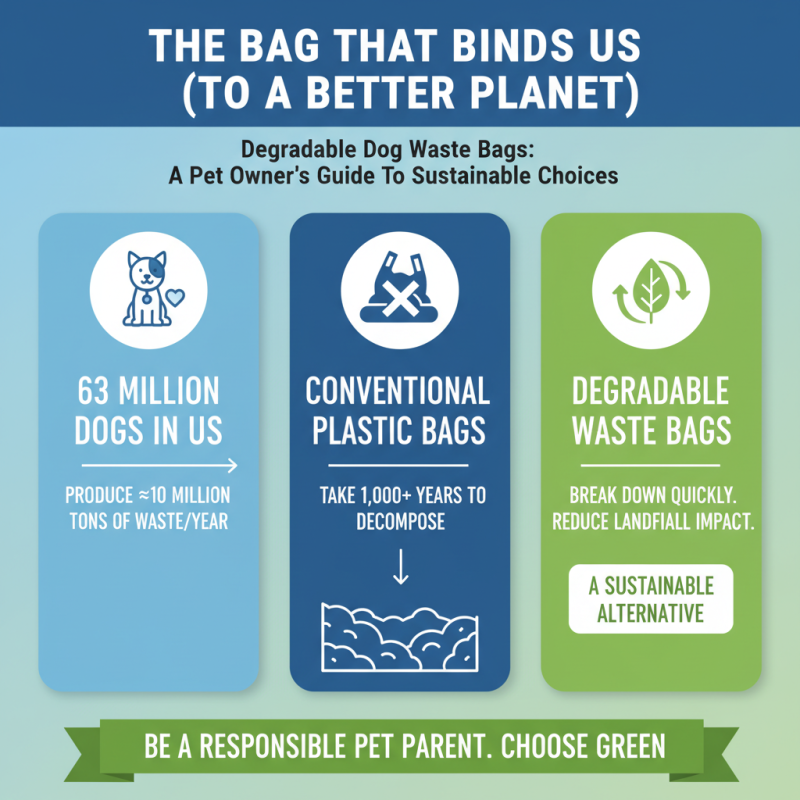
Choosing degradable dog waste bags is crucial for every pet owner. A staggering 63 million dogs in the U.S. produce around 10 million tons of waste annually. Conventional plastic bags take over 1,000 years to decompose. This creates a significant environmental burden. Degradable waste bags offer a sustainable alternative, breaking down more quickly and reducing landfill impact.
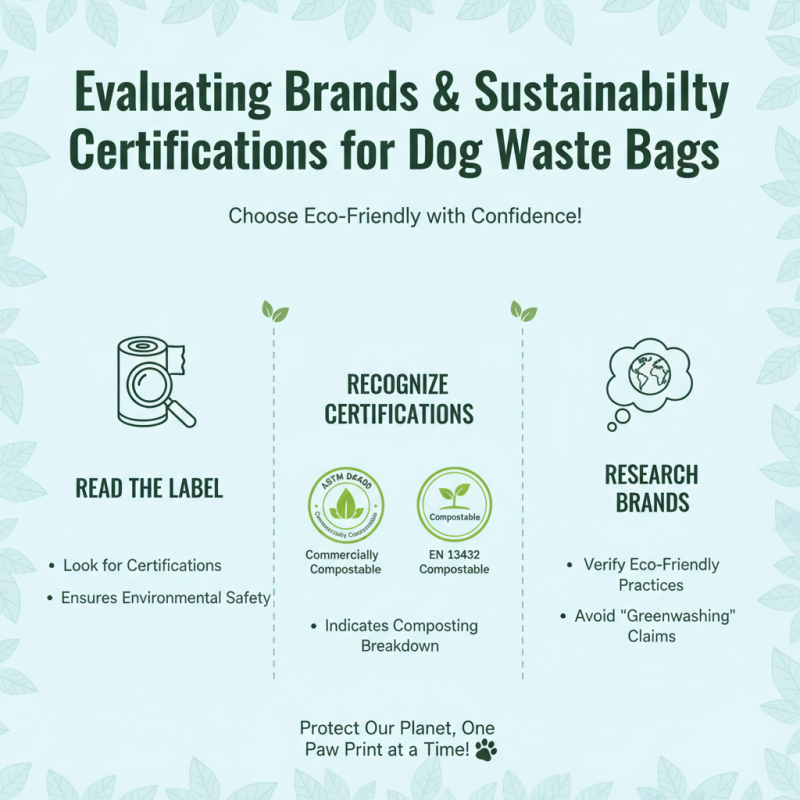
Research shows that dog waste contributes significantly to pollution. It releases harmful pathogens and nutrients into the environment. Degradable bags can mitigate this. However, not all bags labeled as "biodegradable" are created equal. Some may break down only under specific conditions. It's important to check certifications, like ASTM D6400, which ensure proper compostability. Relying solely on labels can lead to purchasing ineffective products.
Understanding the distinction between biodegradable and compostable is essential. Biodegradable bags can still harm the environment if they break down into microplastics. Compostable bags, on the other hand, can turn into nutrient-rich compost. As consumers, we must be vigilant about our choices. The shift towards sustainable practices begins with informed purchasing decisions.
Key Features to Look for in Dog Waste Bags
When choosing dog waste bags, consider several key features. Biodegradability is crucial. Look for bags made from plant-based materials or those that break down in landfills. Many bags claim to be eco-friendly but may not break down easily. It's essential to verify claims with credible certifications.
Another important feature is durability. Thin bags can tear easily. Choose bags that are strong enough to handle your dog's waste without breaking. Check for options that have leak-proof seals. This ensures everything stays contained and prevents unpleasant messes.
Size matters, too. Bags should be large enough for the task at hand. Oversized bags can seem wasteful, yet small bags may not offer sufficient coverage. Finding the right balance is key. Lastly, assess the bag's ease of use. Handles or easy dispensation features can simplify the clean-up process. Reflect on these factors; your choices can significantly impact both your experience and the environment.
Materials Used in Degradable Dog Waste Bags
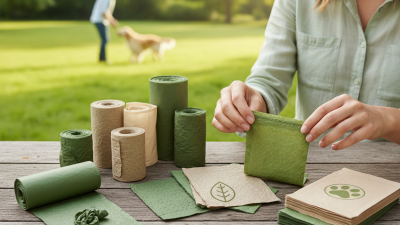
When selecting degradable dog waste bags, the materials used are crucial. Many bags are made from starch-based materials. These often break down faster than traditional plastic bags. Some are produced from recycled materials, which reduces environmental impact. However, not all biodegradable options are equally effective.
Another common material is oxo-biodegradable plastic. This type of bag contains additives that help break it down. These bags may not decompose completely in landfills. It's important to consider how the bag will break down in your disposal method. Compostable bags, derived from natural sources, can be a good choice. They usually break down in composting conditions, but this isn't always readily available.
Many pet owners may not know the differences between these materials. It's worth learning about your options. When choosing, consider the bag's thickness and durability. Thin bags may tear easily and create a mess. A durable bag provides better protection against leaks. Testing a few brands can help you find the best fit for your needs. The right choice not only ensures cleanliness but also contributes to a healthier planet.
Comparing Biodegradable and Compostable Options
When selecting dog waste bags, understanding the differences between biodegradable and compostable options is crucial. Biodegradable bags break down through natural processes. However, they may still leave behind microplastics. A study from the Environmental Protection Agency indicates that some biodegradable bags take years to decompose fully. Proper disposal is vital, as merely tossing them can cause environmental harm.
Compostable bags, in contrast, are designed to break down in composting conditions. They typically require specific temperatures and environments to decompose efficiently. Research shows that compostable options can break down in just 90 to 180 days under ideal conditions. This is significantly faster than many biodegradable bags. However, consumers need to ensure they have access to industrial composting facilities, as home composting may not reach the necessary conditions.
Choosing the right option requires careful consideration. Not all biodegradable products are created equal. Some may still contribute to pollution. Look for certifications like ASTM D6400 or EN 13432 to ensure they meet standards for compostability. By making informed choices, pet owners can align their purchasing decisions with their commitment to the environment.
How to Choose the Best Degradable Dog Waste Bags for Your Pet? - Comparing Biodegradable and Compostable Options
| Feature |
Biodegradable Bags |
Compostable Bags |
| Material |
PLA, starch blends, recycled plastics |
PLA, vegetable-based materials |
| Decomposition Time |
3-6 months in optimal conditions |
60-90 days in composting environments |
| Certification |
May not have specific certifications |
Certified by ASTM D6400 or EN 13432 |
| Disposal Method |
Landfill or compost |
Home or commercial compost |
| Strength |
Generally strong but may vary |
Varies; may be less durable |
| Environmental Impact |
Less impact than traditional plastic |
Minimal if composted properly |