How to Choose Compostable Cat Litter Bags for Your Feline?
As pet ownership continues to rise, eco-friendly solutions are in high demand. Compostable Cat Litter Bags are becoming increasingly popular among conscientious cat owners. A recent report by the Pet Sustainability Coalition indicates that the market for sustainable pet products is expected to grow by 25% over the next five years. This surge reflects a growing awareness of environmental responsibility among pet owners.
Expert Dr. Emily Green, a leader in sustainable pet care, emphasizes the importance of these materials. She states, "Choosing compostable options helps reduce landfill waste and supports a cleaner planet." It's crucial for cat owners to understand the various factors when selecting these bags. Not all products claim to be compostable meet the same standards.
Many brands may market their bags as sustainable but lack transparency in their sourcing or material composition. Consumers should be vigilant and consider certifications and biodegradability claims. Understanding these elements can lead to a more informed choice, benefiting both felines and the environment. Reflecting on personal choices in pet care can inspire positive changes that are impactful in the long run.
Understanding the Importance of Compostable Litter Bags for Cats
Choosing compostable cat litter bags is crucial for our environment. These bags break down naturally. Traditional plastic bags persist in landfills for centuries. Compostable options, however, return nutrients to the soil. This process supports a healthier ecosystem. Every little action counts when it comes to sustainability.
Some cat owners may overlook this choice. They might prefer convenience over eco-friendliness. Compostable bags can sometimes be more expensive. But consider the long-term benefits. When you choose compostable options, you're reducing waste. Even a small change can inspire others. Influence your community by making eco-conscious choices.
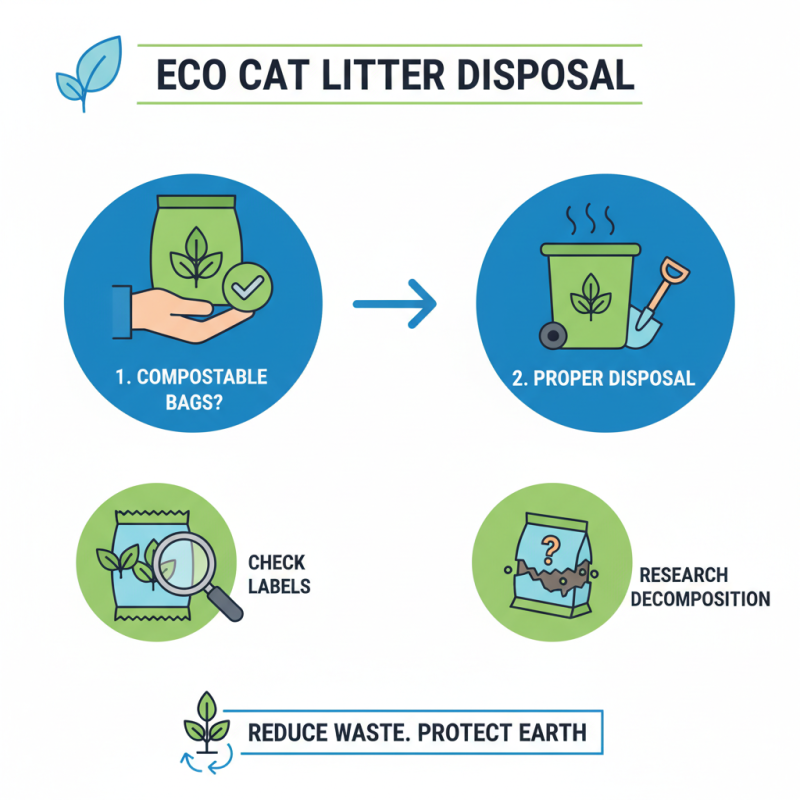
It's essential to understand what makes a bag truly compostable. Look for clear certifications or labeling. Many products on the market claim to be compostable but aren't fully biodegradable. Research is needed to make informed decisions. The wrong choice may still harm the environment. Taking the time to investigate stems from a genuine desire to protect it. Your cat deserves the best, but so does the planet.
Cat Litter Bag Types and Their Compostability
This chart illustrates the compostability percentages of different types of cat litter bags. Compostable bags have the highest rate of compostability at 95%, followed by biodegradable bags at 80%. In contrast, traditional plastic bags have a very low compostability rate of only 10%, making them less environmentally friendly.
Key Materials to Look For in Compostable Cat Litter Bags
When selecting compostable cat litter bags, key materials play a crucial role. Opt for bags made from plant-based materials such as corn starch or sugarcane. These materials break down naturally, benefiting the environment. Look for certifications that ensure the bags are indeed compostable. Reading labels can help you identify the best options.
Another important factor is the bag's thickness. Thicker bags tend to be more durable but can take longer to decompose. Consider how much waste you typically generate. A balance between durability and compostability is essential. Check for any additives that may impact biodegradability. Some bags include chemical additives, which can hinder the composting process.
Lastly, color and fragrance matter too. Many bags are dyed or scented, which may affect compost quality. Choose unscented options to avoid any potential issues. It's not just about finding the right bag, but also reflecting on your choices. Making informed decisions can lead to better outcomes for your feline friend and the planet.
Evaluating the Environmental Impact of Different Brands
When evaluating the environmental impact of compostable cat litter bags, it’s important to consider the materials used. Many brands use plant-based ingredients, which can break down more efficiently than traditional plastics. According to a 2022 report from the Environmental Protection Agency, compostable materials make up about 20% of municipal solid waste. This highlights the potential benefits of choosing the right cat litter bags.
However, not all compostable bags are created equal. Some may require specific industrial composting facilities to decompose properly, which may not be readily available in all areas. A study by the Biodegradable Products Institute showed that only 5% of consumers have access to these facilities. This means that even if a bag is labeled compostable, it may still end up in a landfill, releasing methane gases in the process.
Choosing eco-friendly options is commendable, but we should reflect on our disposal habits. Are we really composting our litter bags as intended? Many people throw them in regular trash. As consumers, we must educate ourselves on both the products we choose and the best ways to dispose of them for a truly sustainable choice.
Assessing the Durability and Functionality of Litter Bags
When selecting compostable cat litter bags, durability is crucial. You want bags that won’t tear easily, especially during use. Look for bags that can hold moisture without leaking. Thin bags may rip and create a mess, requiring extra cleaning. A thicker material often feels more reliable. However, too thick may mean less biodegradability. It's a fine balance.
Functionality also plays a key role. Bags should be easy to open and secure, preventing spills. Some designs come with drawstrings, while others have simple ties. Test a few types if possible. Consider your cat’s habits as well. Obsessively digging can cause some weaker bags to fail.
Consider the size of the bags too. Too small means frequent replacements. Larger bags can be wasteful if you don’t need the extra capacity. Reflect on your needs and your cat’s behavior. It’s about practicality and sustainability. Finding the right fit may require a bit of trial and error. Your cat’s comfort should be a priority. It’s a journey toward more eco-friendly choices.
Tips for Proper Disposal and Composting of Used Cat Litter Bags
When it comes to disposing of used cat litter bags, proper methods are essential. Begin by ensuring your cat litter bags are truly compostable. Look for clear labeling that indicates compostability. Many bags are designed for easy breakdown, which helps minimize waste. However, not all bags decompose at the same rate. Some may leave residue behind, so research is key.
After using the bags, consider their disposal options. You can add them to your compost bin if they meet your composting criteria. Monitor your compost pile regularly to ensure everything breaks down efficiently. If you’re unsure about composting, some communities offer composting services. This can be a more controlled way to handle your used litter bags.
Reflect on your habits. Are you disposing of litter bags mindfully? If not, small changes can have a big impact on the environment. Explore local regulations about waste disposal and composting. Each community may have different guidelines, and adhering to them is crucial. Engage in discussions with fellow pet owners about their disposal practices. Sharing tips may lead to better outcomes for both your feline friend and the planet.