Leave Your Message

China Top Poop Bag Wall Dispenser Suppliers?

Choosing a reliable China-based Poop Bag Wall Dispenser supplier takes more than comparing prices. The right partner should understand how these dispensers are used in parks, apartment buildings, and busy walking areas. A sturdy housing, smooth bag access, and simple refilling can make daily maintenance easier. Small details matter.

Supplier claims deserve a closer look. Ask for product dimensions, material specifications, available mounting options, and clear photos of finished units. If possible, request a sample before placing a large order. Check whether the dispenser feels secure on a wall and whether staff can replace a roll without tools. That practical test can reveal issues a product listing may miss.

China has manufacturers and trading companies with different capabilities, so buyers should confirm who will manage production and quality checks. Ask about customization, packaging, lead times, and how defects are handled. Request relevant inspection records when available, but verify that they match the product being offered. A polished catalog is not enough. I would also compare response quality: clear answers often tell you more than broad promises, though they cannot guarantee future performance. Some details may still be uncertain until a sample is tested. This guide introduces factors for evaluating China’s Poop Bag Wall Dispenser suppliers, with attention to product fit, communication, and dependable purchasing decisions.
China Top Poop Bag Wall Dispenser Suppliers?

What Is a Poop Bag Wall Dispenser?

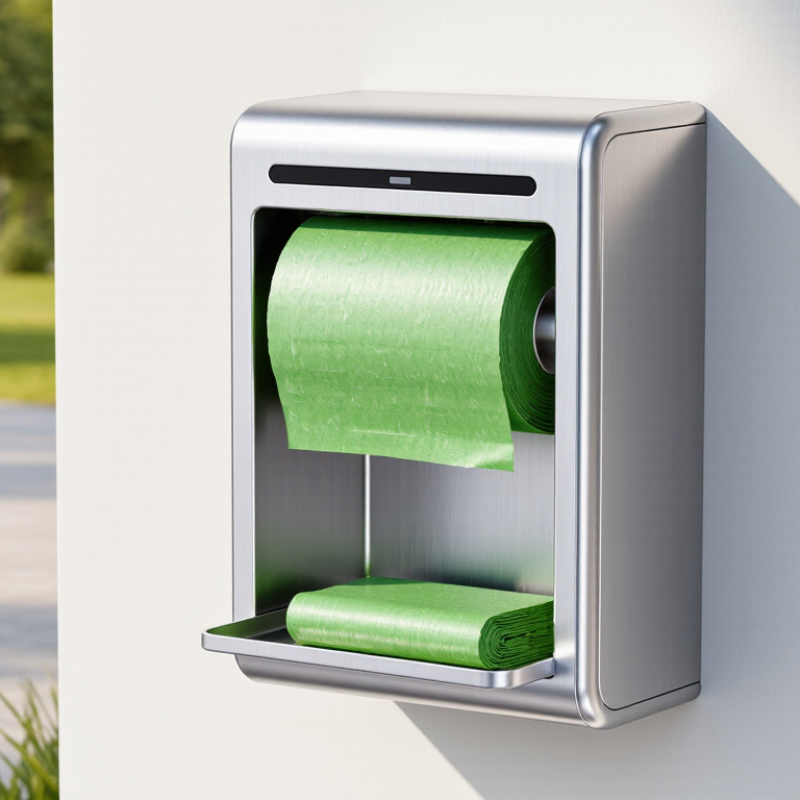
A poop bag wall dispenser is a mounted holder that keeps waste bags accessible in shared or outdoor spaces. It is commonly installed near a walkway, pet relief area, building entrance, or waste bin. The housing protects the bag roll from rain and dirt, while a front opening lets users pull out one bag at a time. Simple, but useful.

Dispensers vary in capacity, material, and refill method. Stainless steel and coated metal can suit exposed locations, while durable plastic may be lighter and easier to handle. Check whether the unit accepts standard rolls, how its door opens, and whether the mounting points fit the intended wall or post. A dispenser that looks sturdy can still be awkward if its refill slot is narrow. Small detail. Placement matters too: install it at a reachable height, with enough space for users to take a bag without blocking foot traffic.

Tips: Compare refill dimensions before ordering, and ask suppliers for material and weather-resistance details. Test the opening with a full roll if possible. Keep the dispenser close to a waste bin, but not where rainwater collects. A tidy setup helps, though no dispenser can guarantee that every user will take or dispose of bags properly.

How Are Wall-Mounted Dispensers Designed and Manufactured?

Wall-mounted poop bag dispensers need to stay secure, easy to refill, and simple to use with one hand. Designers usually begin with the bag size, dispensing direction, and mounting surface. A sloped top helps shed rain, while a covered opening can reduce water entry. Keep it simple. The outlet should let one bag pull free without releasing the next several. A lockable front panel can deter casual tampering, but the latch should still be easy for maintenance staff to operate.

Material choice depends on location and budget. Stainless steel resists rust, while coated steel can offer a sturdy, economical housing. UV-resistant plastic is lighter, though it may become brittle after long exposure to sun and cold. Manufacturing may involve cutting and bending sheet metal, welding seams, deburring edges, and applying a protective finish. Molded versions require tooling and careful control of wall thickness. Small details matter. Rounded edges, consistent mounting holes, and a smooth bag path help prevent snags and simplify installation. During quality checks, suppliers can inspect dimensions, open and close the refill panel, and test dispensing with actual bags. A clean prototype can still jam when bags are folded differently. That is worth checking before production. Mounting hardware should suit the wall material, since one fixing method will not fit every site.

China Top Poop Bag Wall Dispenser Suppliers? - How Are Wall-Mounted Dispensers Designed and Manufactured?

Design or Manufacturing Area Common Options or Process Practical Considerations
Dispenser purpose Stores a roll of dog waste bags and provides an opening for pulling out bags individually. Design should allow bags to feed smoothly without making roll replacement difficult.
Housing materials Common choices include injection-molded plastics such as polypropylene (PP) or ABS. Metal housings are also possible. Material selection depends on cost, appearance, weather exposure, impact resistance, and intended service life.
Enclosure design A housing may use a hinged door, removable cover, or other access panel for loading a replacement roll. Access should be straightforward for authorized users while keeping the roll protected during normal use.
Bag outlet An opening, slot, or shaped outlet guides the bag end out of the housing. Edges are generally designed to avoid snagging or tearing bags. The opening must suit the bag format being used.
Roll compatibility The internal cavity is sized around the intended roll diameter, width, and core configuration. Roll dimensions vary, so compatibility should be confirmed with the actual bags before tooling or production approval.
Wall attachment Possible mounting methods include screw holes, brackets, or other mechanical fixings appropriate to the installation surface. Fixings should suit the wall material and expected use. Installation instructions should identify any required hardware.
Weather exposure Outdoor models may use UV-stabilized materials, corrosion-resistant hardware, or design features that limit water entry. Outdoor suitability depends on material grade, seals, drainage, exposure, and maintenance; it should not be assumed from appearance alone.
Plastic part production For many plastic housings, production involves injection molding: material is heated, injected into a mold, cooled, and ejected. Mold design, wall thickness, shrinkage, and draft affect part quality and ease of manufacture.
Metal part production Depending on the design, metal components may be made using processes such as sheet-metal cutting, forming, welding, and finishing. Coating or material choice should account for the intended environment and the risk of corrosion.
Assembly Components such as covers, hinges, fasteners, and mounting parts are fitted after individual parts are produced. Assembly checks can confirm that doors open and close correctly and that mounting points align.
Quality checks Typical checks include visual inspection, dimensional checks, fit testing, and dispensing trials with the specified bags. Testing should use representative production parts and the intended roll format, not only drawings or samples made by hand.
Supplier evaluation Review product drawings, material details, sample quality, production capability, inspection procedures, and packaging information. Confirm specifications and acceptance criteria in writing, especially for dimensions, mounting, finish, and bag compatibility.

Note: Materials, construction, and performance vary by design and supplier. Confirm the final specifications and test samples before placing a production order.

What Types of Suppliers Operate in China?

China’s wall-mounted dog waste bag dispensers are supplied by several types of businesses. Direct manufacturers typically handle molding, assembly, and product testing. Some focus on plastic housings, while others assemble dispensers with metal brackets or refill rolls. Their production teams can often discuss mold options, mounting holes, and material thickness in practical detail.

Trading companies offer another route. They may combine dispensers, bags, and packaging from separate factories, which can simplify purchasing but make production oversight less direct. Some sourcing firms coordinate custom designs between buyers and manufacturers. Ask who owns the tooling, who checks samples, and where final assembly takes place.

A clear answer matters. Not always easy to verify. Request a sample showing the latch, wall screws, and bag-loading method. Then check whether the sample matches the stated materials and dimensions. A polished catalog is not proof of consistent production; I would inspect one unit before approving a larger order.

Tips: Compare suppliers using the same drawing and written specifications. Check dispenser capacity, refill compatibility, outdoor-use claims, and packaging details. Ask for dated production photos or a video call, but treat these as supporting evidence, not a substitute for sample inspection. One small detail—like a stiff lid—can frustrate daily use.

How to Evaluate China-Based Dispenser Suppliers

When comparing China-based poop bag wall dispenser suppliers, look beyond polished product photos. Ask how long they have made wall-mounted dispensers and which materials they use for the housing, hinges, and mounting plate. Request a sample and inspect its edges, refill opening, and lock. Details matter. A dispenser should open without sticking and stay secure on a tiled or painted wall. Ask for drawings showing dimensions and mounting-hole spacing, so installers can check compatibility before ordering.

Evaluate quality controls with specific questions. How are incoming materials checked? Are finished units tested for repeated opening and closing? Request recent inspection records or clear photos of production checks, then confirm that the sample matches the quoted specification. A neat catalog can still leave gaps. Notice whether the supplier explains tolerances, packaging, and replacement parts plainly, rather than promising that every issue is impossible. Not always. Compare lead times and minimum order quantities in writing, and ask how changes are documented. A supplier’s willingness to acknowledge limits can be more useful than a perfect sales presentation. Verify references where practical, and keep agreed product details attached to the purchase order.

What Should Buyers Confirm Before Placing an Order?

Before ordering from a China-based wall dispenser supplier, confirm the unit against a written specification, not a product photo. The American Pet Products Association’s 2023–2024 National Pet Owners Survey estimates that 66% of U.S. households own a pet, or about 86.9 million households. This signals a sizable user base, but it does not prove demand in your target market. Ask for dispenser dimensions, mounting-hole spacing, refill-roll core diameter, bag width, and tear-off direction. Request a sample loaded with your exact roll. Small details matter.

Check function and inspection terms before approving production. Pull several bags from a mounted sample and note whether the roll jams, the lid opens easily, or the unit shifts on the wall. Ask how the housing handles repeated use and routine cleaning. ISO 2859-1 describes attribute-sampling plans for lot inspection; agree in writing on the inspection level, acceptance criteria, and defect definitions. “Passed inspection” is not enough. I would also request material specifications and any relevant test reports, then compare them with the approved sample.

Confirm packaging, carton quantity, gross weight, lead time, and spare-part availability. Make sure the purchase documents state tolerances for key dimensions and identify who pays for corrections if bulk goods differ from the sample. That point is easy to overlook. A final pre-shipment inspection can catch mismatched hole spacing or loose covers, though it cannot replace a clear specification.

China Poop Bag Wall Dispenser Suppliers: What to Confirm Before Ordering

Buyer checklist prompts by order-confirmation category

How to use this chart: The bars count the confirmation prompts in this checklist; they are not market statistics or supplier ratings. Before placing a purchase order, confirm:

  • Product specifications (4): bag dimensions, film thickness, material, and color or printing requirements.
  • Material and compliance (3): material declaration, destination-market requirements, and relevant test documents.
  • Dispenser compatibility (3): opening dimensions, roll or core compatibility, and mounting method.
  • Quality and production (4): approved sample, inspection criteria, production tolerances, and defect-resolution terms.
  • Commercial and shipping (4): MOQ, unit price and Incoterms, lead time, and packing or carton details.