Best Ways to Dispose Of Dog Poop Efficiently?
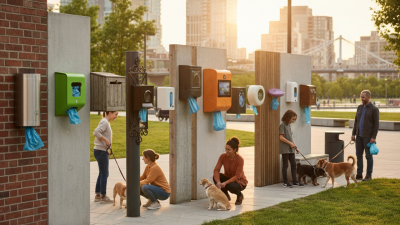
When it comes to dog ownership, one essential task is knowing how to dispose of dog poop efficiently. As John Green, a waste management expert, rightly states, “The proper disposal of pet waste is crucial for our environment and community health.” Many pet owners overlook this responsibility, leading to pollution and health hazards.
Different methods exist for disposing of dog poop, each with its pros and cons. Some prefer biodegradable bags, while others opt for composting. Each approach has its own set of challenges. For example, many people find composting daunting, fearing it may attract pests. Others struggle with the unpleasant odor of waste, making timely disposal a struggle.
Institutions and communities are increasingly promoting effective dog waste management. This move is essential, as improper disposal can lead to water contamination and public health issues. As responsible pet owners, we must reflect on how we dispose of dog poop. Proper methods not only help our surroundings but also show respect to our neighbors and environment.
Understanding the Importance of Proper Dog Poop Disposal
Proper dog poop disposal is essential for many reasons. It helps maintain a clean environment. Leaving dog waste can pollute soil and water. It can also spread harmful bacteria and parasites. Many people don’t realize how quickly waste can break down. In just a few days, it can contaminate local ecosystems.
Many dog owners may not think about the impact of their pet’s waste. This neglect can lead to serious community health issues. It's important to be aware that not all disposal methods are equally effective. Some methods can even harm the environment. For instance, flushing dog poop down toilets isn’t always a good choice. It can strain sewage systems.
Using compostable bags is a step in the right direction. However, not all compost methods can handle dog waste safely. It’s crucial to research local guidelines. Many communities provide specific disposal options. This attention to detail highlights a more sustainable approach. Taking responsibility for dog waste is a shared community value.
Best Ways to Dispose Of Dog Poop Efficiently
Choosing the right method for dog poop disposal is crucial for maintaining cleanliness and hygiene in our environment. This chart illustrates the efficiency rating of various disposal methods, helping dog owners make informed decisions.
Common Methods for Dog Poop Disposal: Pros and Cons
When it comes to dog poop disposal, several methods are common. Picking up waste with plastic bags is the most popular approach. It’s convenient, but it can be wasteful. Many bags are single-use and end up in landfills. Moreover, some people don’t tie bags properly, causing waste to spill.
Another option is using a dog waste digester. This method involves burying waste in a specialized container. It minimizes odors and breakdowns waste naturally. However, it requires digging a hole and regular maintenance. Not everyone has the space or the time for this.
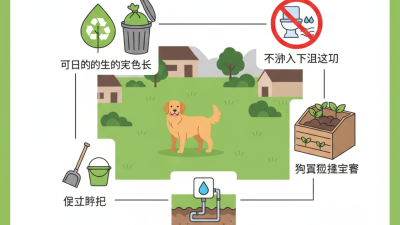
Composting is another eco-friendly alternative. By turning dog poop into compost, it can be beneficial for gardens. But there are risks involved. If not done correctly, harmful pathogens can contaminate the compost. It takes patience and careful management. Each method has its merits and drawbacks, and pet owners should consider their lifestyle and environment when choosing a disposal method.
Step-by-Step Guide to Using Poop Bags Effectively
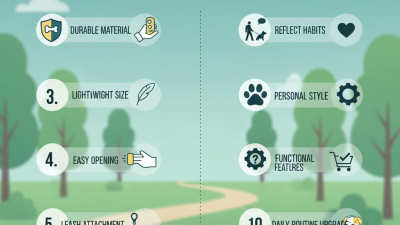
When it comes to disposing of dog poop, using poop bags effectively is key. Start by choosing the right size of bag. It should be large enough to contain the waste without any risk of tearing. Make sure your hands are clean when you handle the bag. Often, poop bags can be tricky to open, so practice makes perfect.
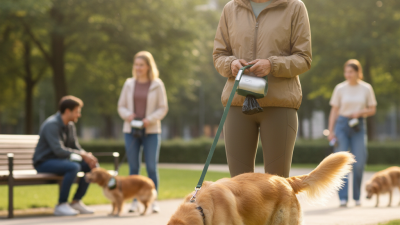
After picking up the poop, tie the bag securely. This is an essential step to prevent any unpleasant leaks. It’s common to forget this, which can lead to messes. Proper tying not only contains the waste but also reduces odors. If you’re out on a walk, keep a designated pocket for the bag. This ensures it is always accessible and prevents you from having to juggle multiple items.
Remember to dispose of the bag properly. Many parks have designated bins, or you can take it home for disposal. Avoid leaving it in places where it might attract pests or cause a nuisance. Reflect on your habits as well. Do you always have bags on hand? Making a checklist can help ensure you’re always prepared. By following these tips, you can keep your community clean and enjoy a more pleasant outdoor experience with your dog.
Eco-Friendly Alternatives to Traditional Dog Poop Disposal
When it comes to disposing of dog poop, eco-friendly alternatives can significantly reduce environmental impact. Composting dog waste might seem unconventional, but it is effective. Use a designated compost bin, ensuring it’s separate from food compost. Be patient while the breakdown occurs, as it takes time.
Consider biodegradable bags as another option. These bags break down more quickly than traditional plastic. Make sure to choose bags certified compostable. This small change can lead to less waste in landfills.
Tips for efficient disposal: Always carry waste bags during walks. This simple habit ensures you’re ready to clean up at all times. Rinse your bins periodically to maintain cleanliness. This not only prevents odors but also reduces bacteria buildup. Lastly, educate others in your community about responsible pet waste management. Awareness fosters a cleaner environment for everyone.
Best Practices for Composting Dog Waste Safely
Composting dog waste can be a sustainable solution for pet owners. However, it requires careful management to avoid health risks. Start by using a dedicated compost bin designed for pet waste. Ensure it's placed away from food gardens to prevent contamination. Mixing dog waste with carbon-rich materials like sawdust or dry leaves is essential. This balances the nitrogen levels and helps the compost break down properly.
Tips for successful composting include turning the compost regularly to aerate it. This speeds up the decomposition process. Always monitor the temperature; it should ideally reach at least 140°F to kill harmful pathogens. If the compost has a strong odor, it may need more carbon materials or longer decomposition time. Using gloves while handling dog waste is crucial for hygiene.
Don't expect immediate results. Composting dog waste can take several months. Often, pet owners feel uncertain about the safety of using the compost. If unsure, avoid using it on edible plants. Always err on the side of caution to protect your family and public health. Being mindful of these practices ensures that composting remains a safe alternative to disposing of dog waste.
Best Ways to Dispose Of Dog Poop Efficiently? - Best Practices for Composting Dog Waste Safely
| Method |
Description |
Pros |
Cons |
| Bag It and Trash It |
Collecting dog poop in a biodegradable bag and disposing of it in the landfill. |
Easy and convenient; Helps maintain sanitation. |
Contributes to landfill waste; Not environmentally friendly. |
| Flush It |
Flushing dog waste down the toilet. |
Sanitary and reduces waste on landfills. |
Not suitable for all areas; Risk of plumbing issues. |
| Dog Waste Composting |
Using a designated composting system for dog waste. |
Enriches soil; Reduces landfill waste. |
Requires careful management; Cannot use on edible plants. |
| Fetch It |
Some municipalities offer dog waste pickup services. |
Convenient if available; Helps keep public areas clean. |
May not be accessible everywhere; Could incur fees. |