2026 Best Ways to Dispose of Dog Poop?
Dog ownership brings daily joy—and a small, recurring job: handling the waste left behind. APPA’s 2023–2024 National Pet Owners Survey counted about 65 million U.S. households with dogs, making responsible cleanup a practical concern for millions of homes. The U.S. Environmental Protection Agency identifies pet waste as a possible source of bacteria and nutrients in stormwater. The CDC also notes that animal feces can carry germs. That matters.
How you Dispose Of Dog Poop depends on where you live, your household setup, and local waste-service guidance. A tied bag may suit a regular trash collection, while flushing or composting requires more careful checks. Not every product labeled “biodegradable” breaks down in an ordinary bin or backyard compost pile. Small detail. Real difference.
This guide compares common disposal methods for 2026, including their convenience, hygiene considerations, and environmental trade-offs. It draws on public-health guidance and environmental recommendations rather than treating one method as right for every household. The EPA’s stormwater guidance offers useful context, but it does not replace local instructions for sewer systems, septic tanks, or waste collection. There is no perfect option for every home. Even a tidy routine can leave questions, especially when labels promise more than they explain. The aim here is practical: help you choose a method that fits your situation and reduces avoidable mess and contamination.
Check Local Rules and Disposal Requirements
Before choosing a disposal method, check your city or county’s waste rules. Requirements can differ between neighborhoods, parks, and rural areas. Search the local government website or call the sanitation office. Ask whether pet waste belongs in regular trash, requires a specific bag, or has separate collection instructions. Rules differ. A bin marked “pet waste” may not accept household waste, so read its sign.
Check sewer guidance before flushing dog poop. Some wastewater systems allow it, while others advise against it, especially when bags or wipes are involved. Never assume a toilet is an approved shortcut. If your home uses a septic system, ask the local health department or septic professional before flushing; added waste can affect system performance. Keep poop and bags away from storm drains, which often carry runoff directly into nearby waterways.
At parks and trails, follow posted instructions and use only the designated bins. At home, bagging waste for regular trash may be allowed, but confirm local rules and secure the bag to prevent leaks. Composting needs extra care: ordinary backyard compost piles may not reach temperatures that reliably reduce pathogens. A dedicated pet-waste system may have specific limits for soil use. I used to think one method fit every place; it doesn’t. Check again when you move or use a new park. A quick call can prevent a smelly surprise.
Collect Dog Waste Safely and Contain It Securely
2026 Best Ways to Dispose of Dog Poop?
Collect Dog Waste Safely and Contain It Securely
Safe disposal starts before the walk ends. Carry sturdy bags and a small scoop, keeping them separate from treats and keys. Turn the bag inside out over the waste, avoid skin contact, and knot it firmly. If the bag tears, use a second bag rather than carrying exposed waste. Small details matter: a loose knot can leak onto a car seat or bin lid.
At home, place sealed waste in a lidded household bin when local waste guidance permits. Do not leave bags beside a full public bin or drop them into storm drains. Dog waste can carry germs, so wash your hands with soap after handling it. Clean reusable scoops away from food-preparation surfaces. Backyard compost may not get hot enough to manage pathogens reliably.
Tips: Check bag seams before each walk, and carry one extra. Keep sealed waste away from children and pets until disposal. If a bin is overflowing, take the bag home instead of leaving it on the ground. It is tempting to rush this last step, but that is when knots slip. A dedicated washable scoop can help, though it still needs regular cleaning.
Choose a Disposal Method for Your Home and Location
2026 Best Ways to Dispose of Dog Poop?
Choose a Disposal Method for Your Home and Location
The right method depends on your home, local waste services, and where you are walking. At home, bag waste securely and place it in household trash if local guidance allows. Keep bags away from food bins and storm drains. They can leak, and rain may carry waste into waterways.
Flushing may suit some homes, but check with your wastewater provider first. Never flush plastic bags. Septic systems need extra caution because added solids can interfere with treatment. Backyard pet-waste digesters are another option, but they may work poorly in cold soil or unsuitable ground. Check the product instructions and local guidance before installing one. A sunny spot is not always enough.
Tips: Carry spare bags on walks, and use designated pet-waste bins when available. If none are nearby, seal the waste and take it home. Don’t leave it beside a trail or bin. It is easy to assume one small pile will break down quickly, but that assumption can spread germs and create a mess. Keep your routine simple enough to follow every day.
Use Household Trash, Flushing, or a Pet-Waste Treatment System
2026 Best Ways to Dispose of Dog Poop?
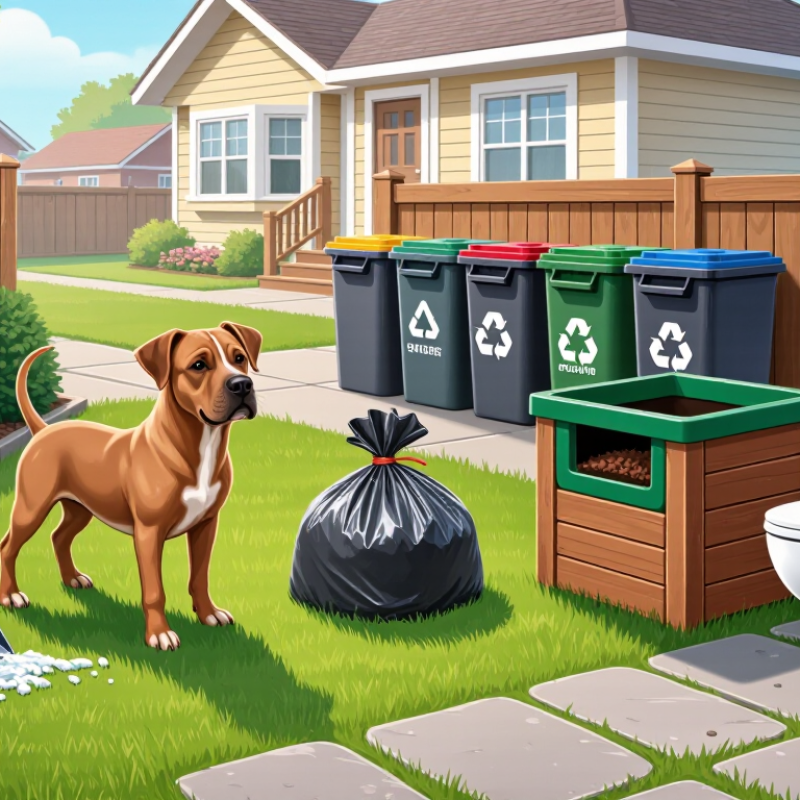
A tied bag in household trash is often the simplest option. Scoop the waste promptly, seal it in a leak-resistant bag, and place it in your regular garbage—not recycling. A small, lidded outdoor bin can keep smells and flies down until collection day. Clean the scoop afterward and wash your hands. It is not glamorous, but reliable beats leaving a bag on the trail.
Flushing may be possible only when your local wastewater provider permits dog waste. Remove it from the bag first; never flush plastic bags, wipes, or litter. Avoid flushing if you use a septic system, since added waste can interfere with its operation. Rules and treatment systems differ, so check before making flushing a routine. That extra step can feel fussy. Still, guessing is worse.
Tips: A pet-waste treatment system can suit a yard, but choose one designed for dog waste and follow its installation and care instructions. Soil, drainage, and cold weather can affect performance. Don’t treat an ordinary compost pile as a safe substitute, especially for waste destined for edible plants. Keep bags and scoops together near the door; on rainy mornings, convenience matters more than a perfect plan.
2026 Best Ways to Dispose of Dog Poop
Household trash, flushing, or a pet-waste treatment system?
Ratings are a qualitative household-convenience comparison, not measured test results. Bagged waste is generally suited to household trash. Flush only unbagged waste if local wastewater rules allow it; do not flush dog waste into a septic system. Pet-waste treatment systems can require installation and regular upkeep, so follow the system’s instructions.
Clean Equipment and Prevent Odors, Pests, and Runoff
A clean routine starts with removal, not fragrance. Pick up waste promptly and seal it in a sturdy bag before placing it in household trash, where local guidance permits. The U.S. EPA’s pet-waste guidance warns that rain can carry waste and its contaminants into storm drains. EPA educational materials also cite up to 23 million fecal coliform bacteria in one gram of dog waste. That is a tiny amount with a large potential footprint. Keep bags beside the usual walking route, and empty outdoor bins often; warm, damp waste can quickly draw flies and create odors.
Clean the scoop and bin after use. Scrub them with hot, soapy water in a utility sink or outdoors on soil, well away from drains. Rinse carefully. Let tools dry fully before storing them; trapped moisture makes smells linger. The CDC advises washing hands after handling animal waste, even when gloves were used. A lidded, washable bin helps contain pests, but it still needs regular cleaning. No scented spray can replace that.
Runoff is easy to overlook. Never rinse waste toward a curb, ditch, or storm drain. EPA stormwater guidance explains that runoff can carry pollutants directly into local waters, often without treatment. I still miss a spot sometimes. A quick final scan of the yard after rain helps catch what a hurried cleanup leaves behind.