Top Tips for Choosing the Best Disposable Dog Poop Bags?
Choosing the right Disposable Dog Poop Bags can significantly impact pet owners' experience. According to recent industry reports, around 63 million households in the U.S. own dogs. Consequently, the demand for efficient waste management solutions has surged. The global pet waste management market was valued at approximately $1.1 billion in 2022 and is expected to grow. Quality bags play a vital role in this trend.
When selecting bags, consider factors like material, strength, and size. Many options are biodegradable, which is crucial for environmentally conscious dog owners. Poor-quality bags can lead to messy cleanups, creating frustration for pet owners. Some bags might even tear easily or emit unpleasant odors. Finding the right balance between quality and price is essential.
The growing interest in sustainable products reflects a shift in consumer mindset. Choosing high-quality Disposable Dog Poop Bags means investing in cleanliness and convenience. However, it also raises questions about what "biodegradable" truly means. Not all products labeled as such decompose efficiently. It's important to research and reflect on the environmental impact of our choices.
Factors to Consider When Choosing Disposable Dog Poop Bags
When choosing disposable dog poop bags, several factors should be considered. Material quality is crucial. Biodegradable options reduce environmental impact. According to a study by the Pet Industry Federation, over 40% of pet owners prioritize eco-friendly products. This shows a significant trend towards sustainable choices.
Size and strength matter too. Bags should be large enough to handle different dog sizes. Many bags are thin, which can lead to leaks. Research from the Association of Pet Product Manufacturers found that 25% of dog owners have experienced this problem. It highlights the importance of durability.
Finally, consider the ease of use. Some bags come with convenient features like handles or dispensers. While these can be beneficial, simplicity often works best. A 'one-size-fits-all' approach may not fit every need. Each dog owner has unique preferences. Reflecting on these factors can lead to better choices for your pet and the environment.
Top Tips for Choosing the Best Disposable Dog Poop Bags
This bar chart illustrates the key factors to consider when choosing the best disposable dog poop bags, along with their importance rating on a scale from 1 to 10. The factors include biodegradability, thickness, size, price, and odor control, which are crucial in selecting a reliable product for dog owners.
Types of Materials Used in Disposable Dog Poop Bags
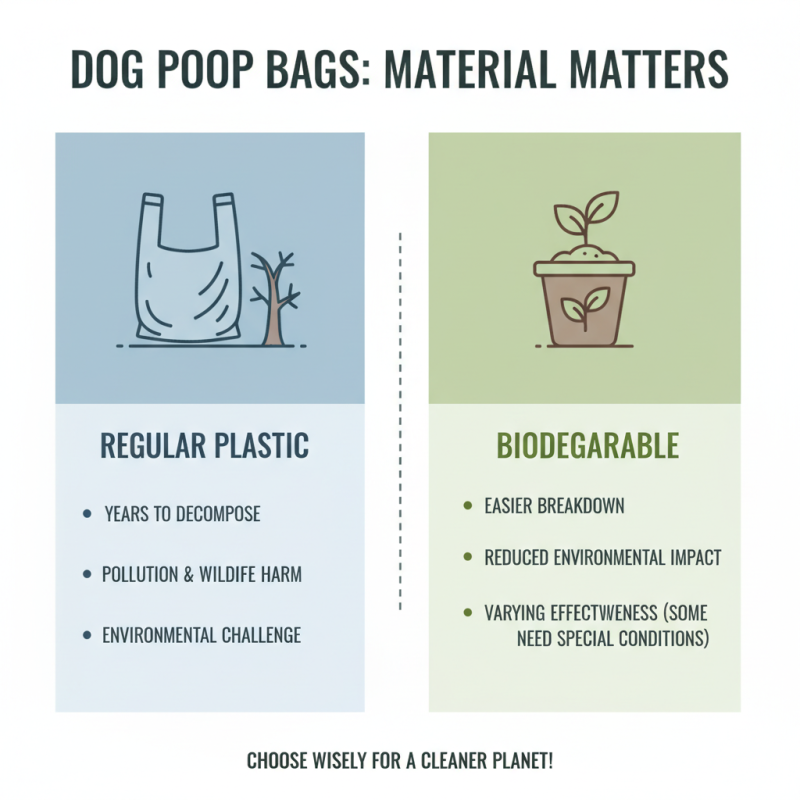
When choosing disposable dog poop bags, the material matters. Many bags are made from plastic, which can take years to decompose. Regular plastic bags may seem convenient, but they pose environmental challenges. They can contribute to pollution and harm wildlife. Some bags use biodegradable materials. These are designed to break down more easily. However, not all biodegradable options work the same way. Some may still require special conditions to decompose effectively.
Other options include compostable bags made from plant starch. They are more environmentally friendly than traditional plastic. Unfortunately, compostable bags also have their drawbacks. They must be processed in specific facilities. Many town programs don’t have these facilities available. This leads to confusion about proper disposal methods. A third type uses recycled materials. While these reduce waste, they may not offer the same durability.
Choosing the right material involves trade-offs. Consider your priorities: convenience, environmental impact, or durability. Each type of bag has its pros and cons. A small shift in choice can have broader implications. It’s a simple step towards responsible pet ownership, but sometimes people overlook it. Reflecting on our choices can lead to more sustainable practices in dog waste disposal.
Size and Thickness: What to Look For in Poop Bags
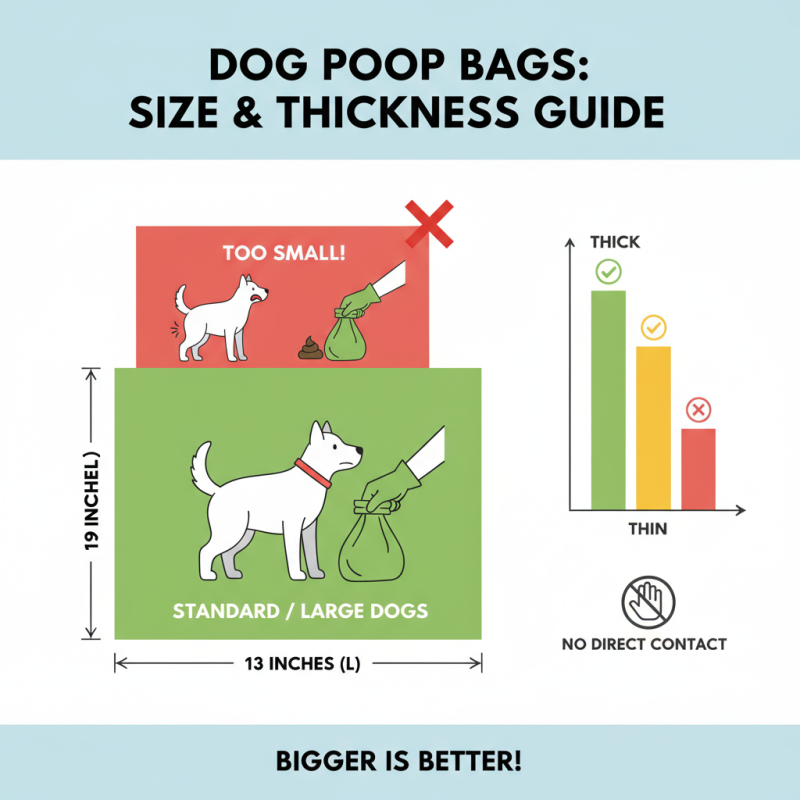
When selecting disposable dog poop bags, size and thickness are crucial factors. The right size ensures you can securely pick up any mess, regardless of your dog's size. A standard bag should be at least 13 inches long and 9 inches wide. This size allows for easy handling while ensuring your hand doesn't come into direct contact with waste. Nothing is worse than a bag that's too small, leaving you scrambling to contain the mess.
Thickness is equally important. A thin bag can easily tear, creating a messy situation you want to avoid. Look for bags that are at least 15 microns thick. These are less likely to rip and will help contain odors better. However, some users have noticed that thicker bags might feel bulkier to carry. It’s a trade-off between sturdiness and convenience. Some bags also claim to be biodegradable, but these should still be thick enough to handle the task without disintegrating during use.
You should consider the storage space as well. A large roll of bags might be cumbersome, yet flimsy bags often fall apart. Balancing size, thickness, and ease of transport can be challenging. Many pet owners have found that testing a few different brands helps in discovering what meets their needs best. Your dog's comfort should not come at the expense of a quick, easy clean-up.
Eco-Friendly Options: Biodegradable and Compostable Bags
When selecting dog poop bags, eco-friendly options are becoming increasingly popular. Biodegradable and compostable bags offer a better alternative to traditional plastic. They break down naturally and reduce landfill waste. Many are made from plant-based materials, which is a significant plus for the environment.
Not all biodegradable bags are created equal. Some may still take years to decompose. It's crucial to check the product’s specifications. Look for certifications that confirm they meet compostability standards. Remember, if it says "biodegradable," that doesn't always mean it's good for composting.
Choosing the right bag also involves considering their strength and size. Thin bags may tear easily, making the cleanup messy. A thicker bag can handle waste better. However, this doesn’t mean sacrificing environmental concerns. Finding that balance can be tricky. Reflect on your choices and their impact on the planet. Trying to be eco-conscious is a journey, not a race.
Cost vs. Quality: Finding the Best Value for Your Money
When selecting disposable dog poop bags, cost and quality are crucial factors. Many pet owners seek the best value without compromising on quality. A report from the American Pet Products Association indicates that nearly 70% of dog owners prioritize eco-friendly options. This highlights a growing trend towards sustainability in pet care.
While it’s tempting to opt for the cheapest bags, they often lack durability. A study revealed that low-cost bags puncture 40% more frequently than mid-range options. This can lead to inconvenient messes during disposal. It's essential to evaluate whether spending slightly more can save you from dirty hands and additional cleanup.
Moreover, quality materials can affect odor control. Some bags use advanced technology to neutralize smells. While these options may cost more, their efficiency may justify the price. Remember, hastily choosing based solely on price could lead to frustration and waste. Balancing cost and quality ensures you find a product that meets your needs without adding hassle to your walk routines.
Top Tips for Choosing the Best Disposable Dog Poop Bags
| Feature |
Importance |
Average Cost ($) |
Quality Rating (1-5) |
| Material |
High |
10 |
4 |
| Size |
Medium |
8 |
4.5 |
| Scented vs Unscented |
Medium |
9 |
3.5 |
| Biodegradability |
High |
12 |
5 |
| Tear Resistance |
High |
11 |
4.8 |
| Pack Size |
Medium |
15 |
4.2 |