What is the Best Waste Dog Bags for Eco Friendly Pet Owners?
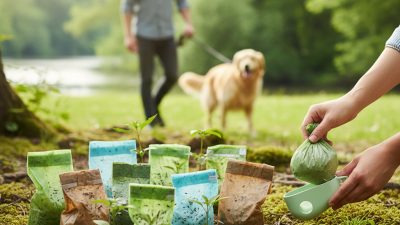
As pet ownership grows, so does the importance of eco-friendly products. Many dog owners seek sustainable options for Waste Dog Bags. According to Dr. Sarah Lawson, a leading expert in pet sustainability, “Using biodegradable bags is a step toward a cleaner planet.” This statement encapsulates a crucial shift in how we manage pet waste.
Traditional plastic bags contribute significantly to environmental pollution. In contrast, eco-friendly Waste Dog Bags break down naturally, reducing landfill waste. These bags are often made from materials like cornstarch or recycled paper. Pet owners can feel good knowing they are making responsible choices for their furry companions and the environment.
However, not all brands deliver on their eco-friendly promises. It can be challenging to identify genuinely sustainable products amidst clever marketing. Many bags claim to be biodegradable, but they may only degrade under specific conditions. Therefore, it’s vital for consumers to research and choose reputable brands committed to true sustainability in their Waste Dog Bags. Always check for certifications and customer reviews to ensure you are supporting the right companies.

Understanding the Importance of Eco-Friendly Dog Waste Bags
The importance of eco-friendly dog waste bags cannot be overstated. According to the Pet Industry Sustainability Coalition, around 30% of pet owners are now looking for sustainable options. This shift is crucial as traditional plastic bags can take over 500 years to decompose. Their lingering presence contributes significantly to plastic pollution.
Many dog owners might not realize that a typical dog generates about 300 pounds of waste annually. Using eco-friendly bags reduces this impact. Biodegradable bags, made from materials like cornstarch, break down much faster—typically within 90 days. However, not all biodegradable bags perform equally. Some may still leave microplastics behind if not disposed of correctly.
Moreover, data from the American Society for the Prevention of Cruelty to Animals (ASPCA) indicates that pet waste can lead to water contamination. When waste is not disposed of properly, it can pollute nearby water sources. This highlights the need for responsible waste disposal practices. Adopting eco-friendly bags is not just a trend; it's a necessary change for responsible pet ownership.
Types of Biodegradable Materials Used in Dog Waste Bags
When it comes to choosing eco-friendly dog waste bags, understanding the materials is vital. Biodegradable bags have gained popularity among pet owners who care about the environment. Common types include those made from corn starch, plant-based polymers, and recycled paper. These materials break down more effectively than traditional plastic, reducing landfill waste and pollution.
Corn starch bags are often touted for their rapid decomposition. They can disintegrate in a matter of months under proper conditions. Plant-based polymers, derived from renewable resources, also offer a sustainable alternative. However, it's worth noting that some of these bags require specific environments, like industrial composting, to break down completely. Recycled paper bags represent a more straightforward option; they can decompose in a backyard compost pile but may not be as durable for heavy use.
Despite the benefits of these biodegradable bags, they are not without challenges. The effectiveness of decomposition can be inconsistent, depending on disposal methods. Many consumers still struggle with sourcing truly eco-friendly options. The important thing is to remain informed and critically evaluate the choices available. Not all seemingly green products deliver on their promises. Therefore, consistent research is essential for all eco-conscious pet owners.
Comparing the Most Popular Eco-Friendly Dog Waste Bag Brands
When it comes to choosing eco-friendly dog waste bags, it's essential to evaluate the options available. Many brands emphasize biodegradable materials, which can significantly reduce landfill waste. According to recent industry research, nearly 500 million plastic dog waste bags are produced each year, resulting in environmental concerns. Switching to eco-friendly alternatives is crucial for reducing this impact.
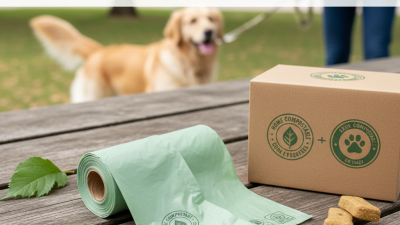
Some of the most popular eco-friendly dog waste bag brands utilize plant-based materials. These bags break down faster than traditional plastic. However, not all biodegradable bags are created equal. It's important to look for certifications from reputable organizations that ensure the bags will decompose effectively in composting conditions.
Tips: Always check the packaging to confirm the materials used. Look for a combination of thickness and biodegradability. Consider using bags made from recycled materials, as this can lessen overall production waste. It's okay to feel overwhelmed by choices. Take time to research and find a solution that aligns with your environmental values.
Key Features to Look for in Sustainable Dog Waste Bags
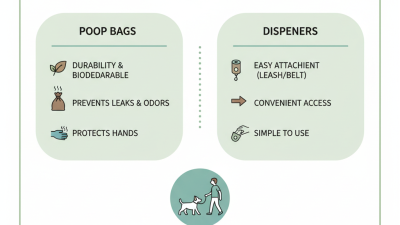
When choosing eco-friendly dog waste bags, consider the material and its biodegradability. Look for bags made from plant-based or recycled materials. These options break down faster than traditional plastic. Many bags now claim to be compostable, making them even more desirable for sustainable pet owners.
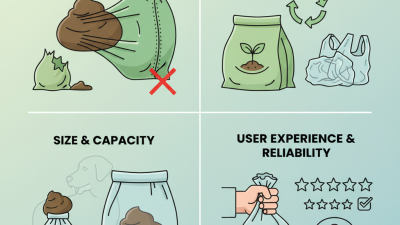
Another key feature is durability. You want a bag that won’t tear easily during use. A thin bag may lead to unpleasant surprises. Regardless of eco-friendly claims, a good bag must also be functional. Testing strength and leak-proof qualities can prevent unwanted messes.
Look for certifications that guarantee the bags meet environmental standards. These can provide peace of mind. However, not every product with eco claims lives up to scrutiny. Some may still cause harm despite their green branding. Research and read reviews to ensure your choices align with your values and make a tangible impact.
Comparison of Eco-Friendly Dog Waste Bags by Material Type
How to Properly Dispose of Dog Waste for Environmental Safety
Proper disposal of dog waste is crucial for environmental safety. Many pet owners remain unaware of the harmful effects of leaving dog waste in public spaces. When left untreated, dog feces can contaminate soil and water. This issue often leads to pollution that affects local wildlife. Understanding the best practices for disposal is vital for eco-conscious pet owners.
Using biodegradable bags is a great start. These bags break down more quickly than traditional plastic, reducing long-term waste. After collecting the waste, it's essential to dispose of the bag in a designated trash bin. Some parks have specific dog waste bins that facilitate responsible disposal. Avoid flushing dog waste down the toilet; it may cause blockages in sewage systems.
Not all pet owners prioritize this responsibility. Some overlook the importance of picking up after their pets. This oversight can have lasting consequences on the environment. It's a simple task that requires little effort yet has a significant impact. Reflecting on personal habits can lead to better choices, fostering a healthier planet for all.