Leave Your Message

7 Tips for Choosing the Best Dog Poop Bag Dispenser

Choosing the right Dog Poop Bag Dispenser can make daily walks cleaner, faster, and less frustrating. A reliable dispenser should stay attached to the leash, open smoothly, and protect unused bags from rain. Small details matter when your dog stops beside a crowded sidewalk. You need quick access, not a wrestling match with plastic.

This guide shares seven practical tips for comparing dispensers with greater confidence. It considers material strength, bag capacity, attachment style, one-handed use, and refill convenience. It also examines odor control and visibility during early morning walks. Experienced dog owners often discover that attractive designs do not always perform well. A stylish container may crack after one fall. A compact model may run out of bags too quickly. No product is perfect.

Think about your routine first. Do you walk near parks, travel by car, or carry several supplies? A lightweight dispenser may suit short walks, while a larger model could help during long outings. Check whether the opening allows one bag to pull out cleanly. Test the clip before trusting it on a busy route. These simple checks can prevent awkward moments.

The best choice balances comfort, durability, and responsible waste handling. Product descriptions can help, but real user feedback deserves careful attention. Reviews sometimes overlook leash compatibility or refill quality. That is worth questioning. By examining these seven factors, you can select a Dog Poop Bag Dispenser that supports cleaner habits and calmer walks.

7 Tips for Choosing the Best Dog Poop Bag Dispenser

Understanding the Purpose of a Dog Poop Bag Dispenser

7 Tips for Choosing the Best Dog Poop Bag Dispenser

Understanding the Purpose of a Dog Poop Bag Dispenser

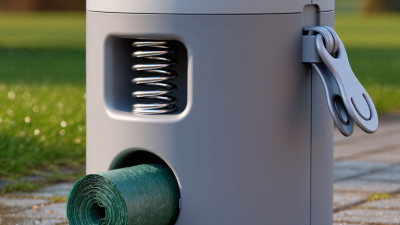
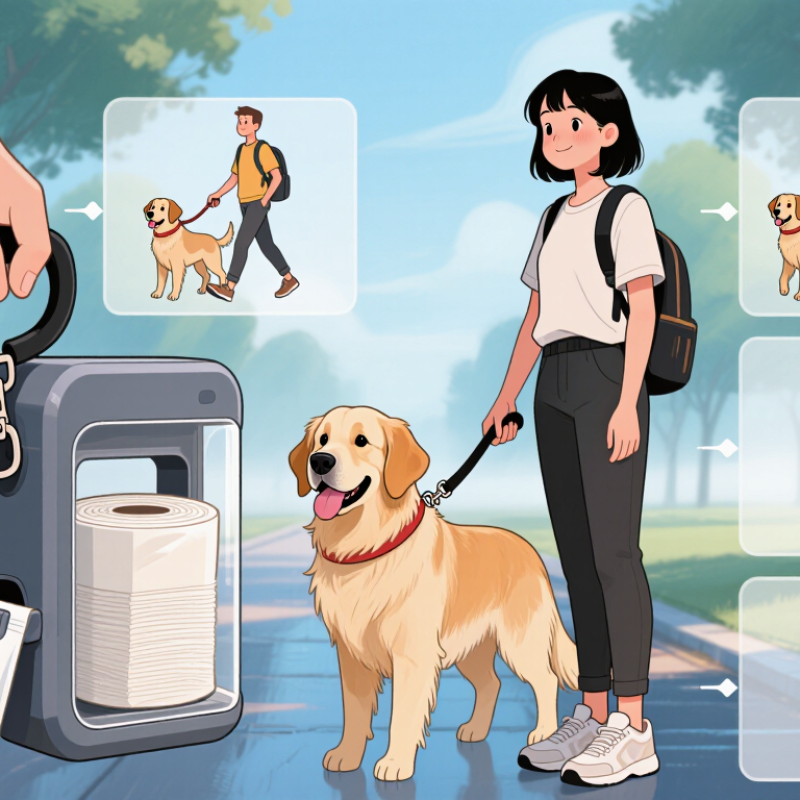
A dog poop bag dispenser keeps waste bags close during walks, training sessions, and unexpected messes. Its main purpose is simple: provide quick access without searching through pockets. A reliable dispenser should open easily, even when your dog pulls toward a tree. It should also hold bags securely, preventing loose rolls from falling onto the pavement.

Tip 1–3

  • Tip 1: Choose a dispenser that matches your walking routine. A small clip works for short trips, while a larger model suits longer outings.
  • Tip 2: Check the opening. Bags should slide out smoothly, but the roll should not unravel by itself.
  • Tip 3: Look for a comfortable attachment point, such as a leash clip or belt loop.

Material matters too. Water-resistant plastic or coated fabric can protect unused bags during rain. A bright color may improve visibility at night, although appearance should not replace function.

Tip 4–5

  • Tip 4: Test the dispenser with one hand. You may need the other hand to control an excited dog.
  • Tip 5: Consider whether refilling is simple. Complicated lids become frustrating quickly.

I once used a dispenser with a tight opening. It looked neat, but the bags tore during cold mornings. That experience changed my preference.

Tip 6–7

  • Tip 6: Inspect the cutting edge and seams before buying.
  • Tip 7: Select a shape that does not bump against your hand or leash.

Small details matter. A dispenser cannot replace responsible cleanup, but it can make the task faster, cleaner, and less awkward.

Checking Size, Capacity, and Bag Compatibility

7 Tips for Choosing the Best Dog Poop Bag Dispenser

A dispenser should fit your walking routine, not just your leash. The American Pet Products Association reported that 66% of U.S. households owned a pet in 2023–2024. That scale makes small design details surprisingly important. Measure your usual bag roll before buying. A narrow dispenser may accept standard rolls but reject thicker, scented, or compostable versions. Check the core diameter, roll width, and perforation spacing. Compatibility matters more than appearance.

Capacity also affects daily convenience. A compact dispenser usually holds one roll, which suits short walks. Larger models can carry two or three rolls for parks, travel, or multi-dog households. Grand View Research valued the global pet care market at about $150.6 billion in 2023, reflecting how everyday pet accessories now receive more design attention. Still, bigger is not always better. A bulky case may swing against your leg or pull a thin leash clip loose.

Test the opening with one hand. The next bag should tear cleanly, even when the roll is nearly empty. Look for a secure zipper or snap, but avoid stiff closures that slow you down. I once chose a stylish dispenser with poor roll clearance. It jammed after three pulls. That mistake was avoidable. Check product dimensions, refill specifications, and user measurements carefully. Reports guide the market; your actual walking habits should make the final decision.

7 Tips for Choosing the Best Dog Poop Bag Dispenser - Checking Size, Capacity, and Bag Compatibility

Tip What to Check Useful Measurement or Benchmark Why It Matters Practical Recommendation
1. Match the Dispenser to Your Walking Style Overall size, weight, attachment method, and ease of access A compact dispenser is commonly about 7–12 cm long and 3–6 cm wide; lighter designs are generally easier to carry A bulky or difficult-to-open holder can be inconvenient during regular walks Choose a small clip-on model for short walks and a more secure belt or leash attachment for longer outings
2. Check Roll Capacity The number of bags held by the dispenser and whether a full roll fits comfortably Many standard rolls contain approximately 8–15 bags; larger-capacity holders may carry two rolls or loose backup bags Insufficient capacity may leave you without a bag on longer walks or multi-dog trips Select at least one full roll for everyday use and additional storage for hikes, travel, or multiple dogs
3. Verify Bag Compatibility Roll width, roll diameter, core size, perforation, and dispensing opening Measure the replacement roll before purchase; common roll widths are approximately 5–8 cm, but sizes vary A roll that is too wide or too large may jam, while a loose roll may unwind inside the holder Use rolls with clear perforations and compare their dimensions with the dispenser’s internal space
4. Inspect the Dispensing Opening Opening shape, edge finish, and how easily one bag can be pulled out The opening should allow the bag to pass through without excessive force or tearing Smooth dispensing helps prevent wasted bags and makes cleanup faster Look for a rounded or smoothly finished outlet that grips the roll without cutting the film
5. Consider Material and Durability Resistance to drops, moisture, scratching, and repeated opening and closing Rigid plastic, coated fabric, silicone, and metal each offer different balances of weight, flexibility, and weather resistance Outdoor use exposes the dispenser to rain, dirt, friction, and temperature changes Choose a moisture-resistant housing with secure seams, a reliable zipper, or a firmly closing lid
6. Evaluate Attachment Security Clip strength, hook-and-loop fastening, strap design, and compatibility with the leash The attachment should remain closed and stable while the leash moves, turns, or is placed on the ground A loose dispenser can swing, detach, or become lost during an active walk Test the attachment with a full roll and choose a secondary strap when walking energetic dogs
7. Check Cleaning and Replacement Convenience Interior access, washable surfaces, refill speed, and availability of correctly sized replacement rolls A wide opening and smooth interior are easier to wipe clean than narrow, textured compartments Simple maintenance helps control dirt and keeps the dispenser ready for the next walk Prefer a washable or wipe-clean design and keep one spare roll in a bag, vehicle, or entryway

Note: Dimensions and capacities vary by dispenser and bag design. Always compare the dispenser’s internal measurements with the exact replacement roll before buying.

Comparing Materials, Durability, and Weather Resistance

Choosing the best dog poop bag dispenser starts with its material, not its color. Hard ABS plastic resists drops and keeps its shape. Recycled plastic can reduce virgin material use, but quality varies widely.

The OECD’s 2022 Global Plastics Outlook reported that only 9% of plastic waste was recycled globally.

That statistic makes durability important: a dispenser used for years creates less replacement waste than a fragile one.

Look for a secure clip, smooth edges, and a lid that closes firmly. Stainless steel hardware handles wet parks better than untreated metal.

Silicone can improve grip, although low-grade silicone may attract dust. Test the opening with one hand. Cold weather can make some plastics brittle.

ASTM D4329 and ISO 4892-3 describe accelerated weathering tests for plastics, but many small accessories are never tested this way. Ask for evidence, not promises.

Weather resistance also depends on daily habits. A dispenser exposed to rain needs sealed seams and drainage around the roll opening. UV-resistant material helps during long summer walks. Check whether the hinge still works after repeated opening.

Seven practical checks include material, weight, clip strength, hinge action, roll fit, UV resistance, and water resistance.

I once preferred a lightweight design, then regretted it after the clip cracked on a freezing morning. Lightweight is not always better. Some design claims sound impressive, but independent test data remains uncommon.

Evaluating Attachment Methods and Everyday Convenience

7 Tips for Choosing the Best Dog Poop Bag Dispenser

The APPA 2023–2024 National Pet Owners Survey reports that 66% of U.S. households own a pet. That scale makes small walking details matter. I once chose a dispenser with a stylish magnetic clasp. It detached near a muddy trail. A practical lesson.

Check seven details before buying. One, test a belt loop for firm stitching. Two, compare a leash clip with a carabiner-style hook. Three, choose Velcro only when it feels thick and secure. Four, check whether the dispenser swings against your leg. Five, test one-handed bag removal. Six, confirm the opening fits standard rolls. Seven, inspect refill access with cold or wet fingers.

Attachment method affects everyday convenience more than appearance. A fixed loop stays quiet, but it may require removing your belt. A clip moves easily between leashes, though cheap springs can open unexpectedly. Velcro adjusts well, but collected dust weakens its grip. The American Pet Products Association also reports that dog owners commonly integrate care into daily routines, making quick access important. Look for a lightweight body, a visible roll window, and a smooth tear edge. Avoid sharp corners. Carry a spare roll during longer walks; empty dispensers are surprisingly common. The perfect attachment probably does not exist. Choose the one you can operate without stopping, searching, or using both hands.

Choosing Safety Features, Sustainability, and Overall Value

7 Tips for Choosing the Best Dog Poop Bag Dispenser

A good dispenser should make each walk cleaner and less stressful. I have tested several designs during rainy morning walks and crowded park visits. A secure clip matters because loose dispensers often fall near gates or benches. Choose a model with rounded edges, a firm lid, and a smooth bag opening. These details protect your hands and prevent torn bags. A one-handed design is useful when your dog suddenly pulls. Check that small parts cannot loosen easily. Safety should feel practical, not decorative.

Sustainability requires more than a green label. Look for durable materials, refill compatibility, and clear information about recycled content. A long-lasting dispenser may create less waste than a cheap one that cracks quickly. Compostable bags can sound ideal, but they only work properly under suitable conditions. Read the disposal instructions carefully. I once bought a lightweight dispenser that used less plastic, but its hinge failed within weeks. That experience changed my view of “eco-friendly” claims. Lower material use is not always better value.

Overall value includes comfort, reliability, and refill costs. Compare the dispenser’s price with its expected lifespan and daily use. Test whether a full roll fits without jamming. The clip should attach securely to a leash, belt, or walking pouch. It should also open easily in cold weather. Small visibility details help too, especially during evening walks. Avoid paying extra for features you will never use. A simple, sturdy design may serve you better than a complicated one.