How to Choose the Best Biodegradable Dog Poop Bags for Eco Friendly Cleaning?
Choosing the best biodegradable dog poop bags is crucial for pet owners who care about the environment. Dr. Emily Johnson, a leading expert in sustainable pet care, emphasizes, "Every small choice, like using biodegradable dog poop bags, contributes to a healthier planet." As we navigate this decision, we face various options and claims about sustainability.
The market is flooded with biodegradable dog poop bags, which can make it overwhelming. Not every product labeled as "biodegradable" is genuinely eco-friendly. Many bags might break down faster than traditional plastic, but they could still leave microplastics behind. It's essential to research and understand what materials are used in these bags.
Understanding the differences between compostable and biodegradable is also vital. Compostable bags typically break down within a specific timeframe under certain conditions. On the other hand, biodegradable bags may take much longer, depending on the environment. Dog owners need to weigh these factors and determine what best fits their cleaning routines and values.
Understanding Biodegradable Materials in Dog Poop Bags
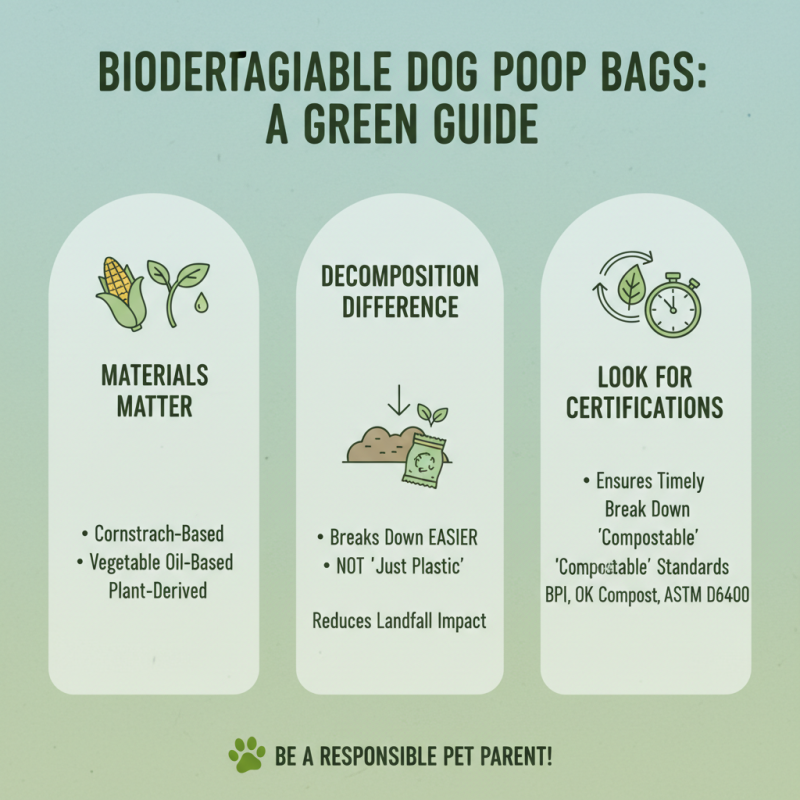
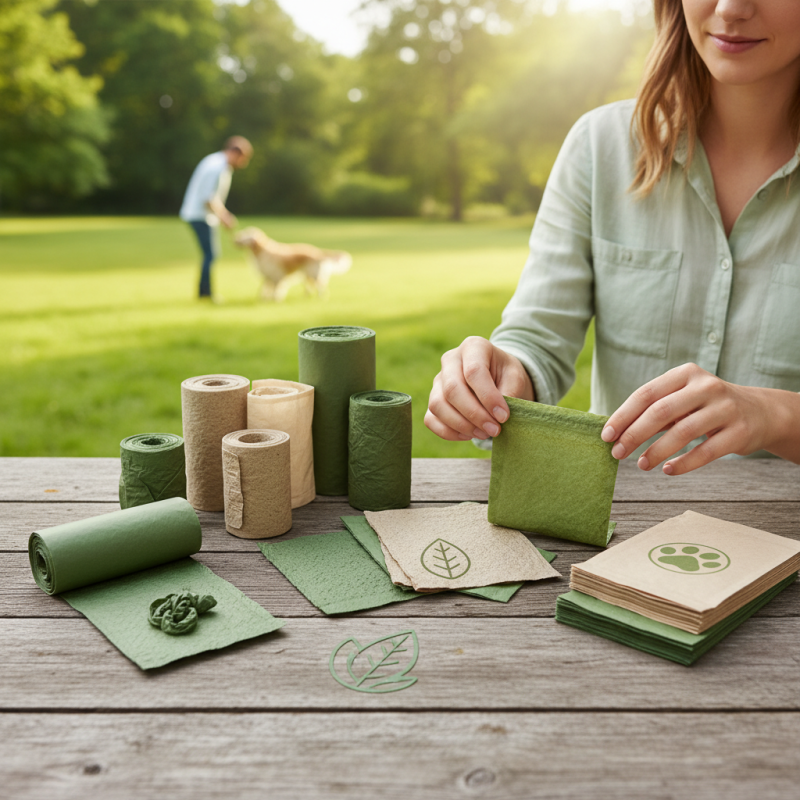
When selecting biodegradable dog poop bags, it's crucial to understand the materials used. Biodegradable bags are made from various substances, such as cornstarch or vegetable oils. These materials break down more easily than conventional plastic. It's important to check for certifications, indicating that the bags will decompose in a reasonable time frame.
Not all bags labeled “biodegradable” decompose effectively in natural environments. Some require industrial composting conditions, which might not be accessible for everyone. As a result, it's essential to read the fine print and understand the limits of biodegradability. Consider how long the bags take to break down in your local environment. Local waste management practices also play a role in how well these bags perform.
While opting for biodegradable options is commendable, reflecting on their overall impact is necessary. Many people assume that using these bags entirely solves the problem. However, over-reliance on single-use products can contribute to larger waste issues. Engaging in more sustainable practices, like cleaning up at home, might complement the choice of biodegradable bags. It's about finding balance and making informed decisions for a greener future.
Key Features to Consider When Choosing Eco-Friendly Poop Bags
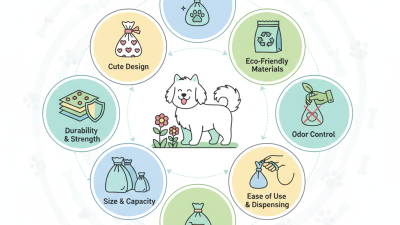
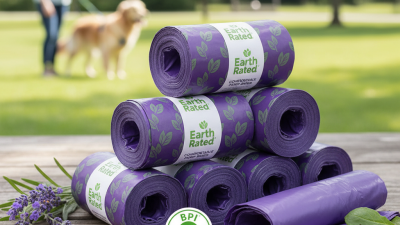
When selecting biodegradable dog poop bags, certain key features should be at the forefront of your decision-making. Look for bags made from plant-based materials. According to the Biodegradable Products Institute, it is crucial that these materials break down in a natural environment. Many bags on the market fail to decompose properly, contributing to landfill issues.
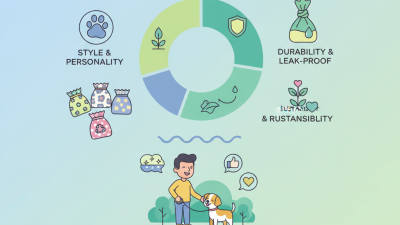
Consider the thickness and size of the bags as well. A sturdy bag will prevent leaks and tears. Research shows that 38% of pet owners have experienced bag breakage during use. Additionally, an easily accessible size will make the collecting process much smoother. Some bags claim to be "biodegradable" but lack clear certifications. Always check for official labels to ensure you make an eco-friendly choice.
Scented bags can mask odors. However, they might contain harmful chemicals. Eco-conscious pet owners should prioritize natural scents or unscented options instead. Lastly, consider packaging. While some brands use recycled materials, others may cause waste in production. Awareness of these imperfections will help you choose wisely and support a healthier planet.
Comparative Analysis: Biodegradable vs. Traditional Dog Poop Bags
When it comes to cleaning up after your dog, choosing the right poop bag matters. Biodegradable bags are a popular choice. They break down better than traditional plastic bags. However, not all biodegradable bags are the same. Many still take months to decompose. Some may even contain harmful materials.
Consider how long it takes for a bag to break down. Some may claim to be biodegradable but can end up in a landfill, where they don't decompose effectively. Look for certifications that verify their eco-friendliness.
Tips: Choose bags that are made from plant-based materials. These generally break down faster. Also, check the thickness of the bag. Thinner bags may tear easily during use.
Using biodegradable bags also doesn’t mean you can be careless. Always dispose of them properly. Don't just throw them anywhere. Reflect on your impact on the environment. The small choice of a poop bag can ripple through your local ecosystem.
Biodegradable vs Traditional Dog Poop Bags
Comparative Analysis: Biodegradable vs. Traditional Dog Poop Bags
This chart illustrates the average decomposition times for biodegradable dog poop bags compared to traditional plastic bags. Biodegradable bags typically take about 6 months to decompose, while traditional bags can take up to 60 months, highlighting the environmental benefits of choosing biodegradable options for pet waste disposal.
Industry Standards and Certifications for Eco-Friendly Dog Poop Bags
When selecting biodegradable dog poop bags, industry standards and certifications play a crucial role. Not all bags labeled as "biodegradable" meet the same criteria. Look for certifications from recognized organizations. These certifications ensure the bags break down safely and do not harm the environment.
Many bags undergo rigorous testing to meet ASTM D6400 or EN 13432 standards. These certifications confirm the bags will compost in an industrial facility. However, not every bag labeled "compostable" is truly eco-friendly. Some still contain plastics that hinder decay. This could leave you feeling frustrated when trying to make an eco-conscious choice.
Consider the bag's thickness and durability too. A flimsy bag may tear easily during use, leading to a messy situation. Assess your needs based on your dog's size and the volume of waste. Additionally, you might find it challenging to balance quality and eco-friendliness. Always read the labels carefully. Small details matter and can guide you toward responsible pet waste management.
How to Choose the Best Biodegradable Dog Poop Bags for Eco Friendly Cleaning?
| Feature |
Description |
Certification |
Biodegradability |
| Material Type |
Plant-based, compostable, or recycled materials |
ASTM D6400 |
100% compostable in industrial facilities |
| Thickness |
Heavy-duty for tear resistance |
Not applicable |
Does not affect compostability |
| Size |
Standard sizes (e.g., 9x13 inches) |
Not applicable |
Size does not impact biodegradability |
| Leak Proof |
Designed to prevent leaks |
ISO 17088 |
Does not affect rate of biodegradation |
| Packaging |
Recyclable or biodegradable packaging |
FSC certified |
Promotes eco-friendly practices |
Environmental Impact: The Lifecycle of Biodegradable Poop Bags
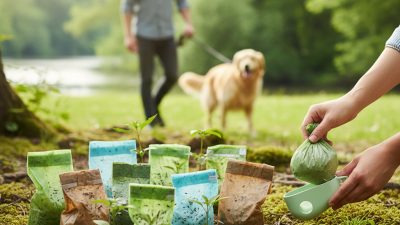
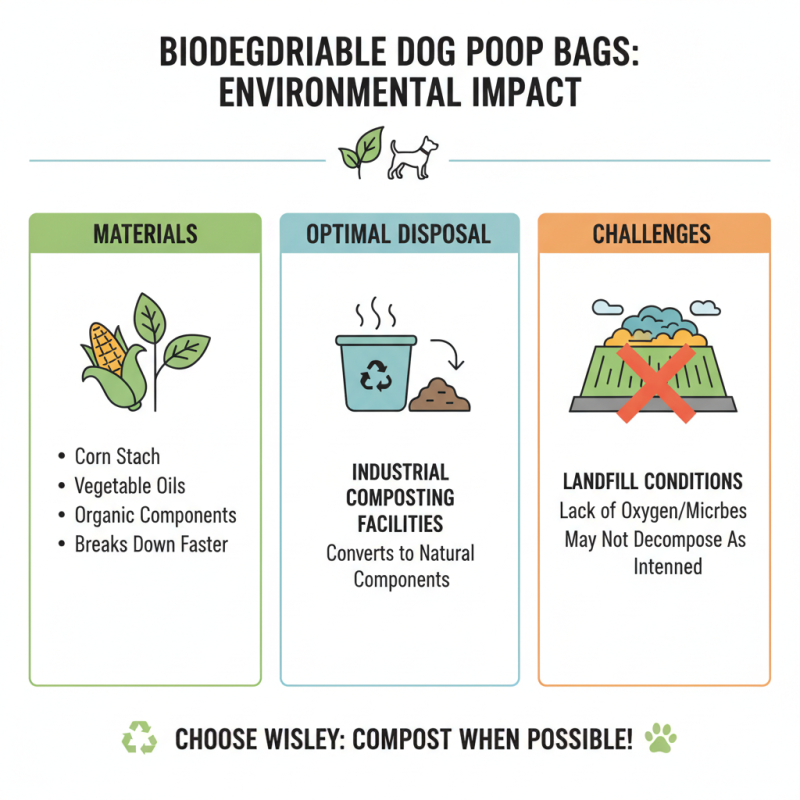
When considering biodegradable dog poop bags, it’s essential to understand their environmental impact. The lifecycle of these bags often begins with organic materials like corn starch or vegetable oils. These ingredients are designed to break down more quickly than traditional plastic. However, the conditions for decomposition matter. Composting facilities can effectively convert these bags into natural components, while in landfills, they may not decompose as intended.
Tips: Always check the packaging for recycling or composting guidelines. Not all biodegradable bags decompose at the same rate. Some may still take months or years if disposed of improperly.
The effectiveness of biodegradable bags also hinges on consumer actions. If dog owners don’t dispose of them correctly, the environmental benefits diminish. Often, people may rush and toss these bags into regular trash bins. Consider local waste management practices before making a choice.
Tips: Look for local initiatives that support composting. Sometimes, community programs offer drop-off points for biodegradable pet waste. Be part of the solution, not just a consumer.