Top Benefits of Using Biodegradable Poop Bags for Pet Owners
Pet ownership comes with responsibilities. One of them is cleaning up after our furry friends. Many pet owners overlook the impact of their waste disposal choices. Using biodegradable poop bags is a simple yet effective way to reduce environmental harm. Dr. Lucy Thomson, an expert in sustainable pet products, states, "The switch to biodegradable poop bags can significantly decrease landfill waste."
Biodegradable poop bags are made from materials that break down naturally. This means less plastic lingering in our environment. Many cities face a serious waste problem. By using these bags, pet owners contribute to a cleaner planet. However, not all biodegradable options are created equal. It’s essential to choose high-quality bags that meet environmental standards.
While the benefits are clear, some pet owners still hesitate. They worry about durability or ease of use. It's important to test different brands to find one that suits both your pet and the environment. Small changes can lead to big impacts. Embracing biodegradable poop bags is a step toward responsible pet ownership.
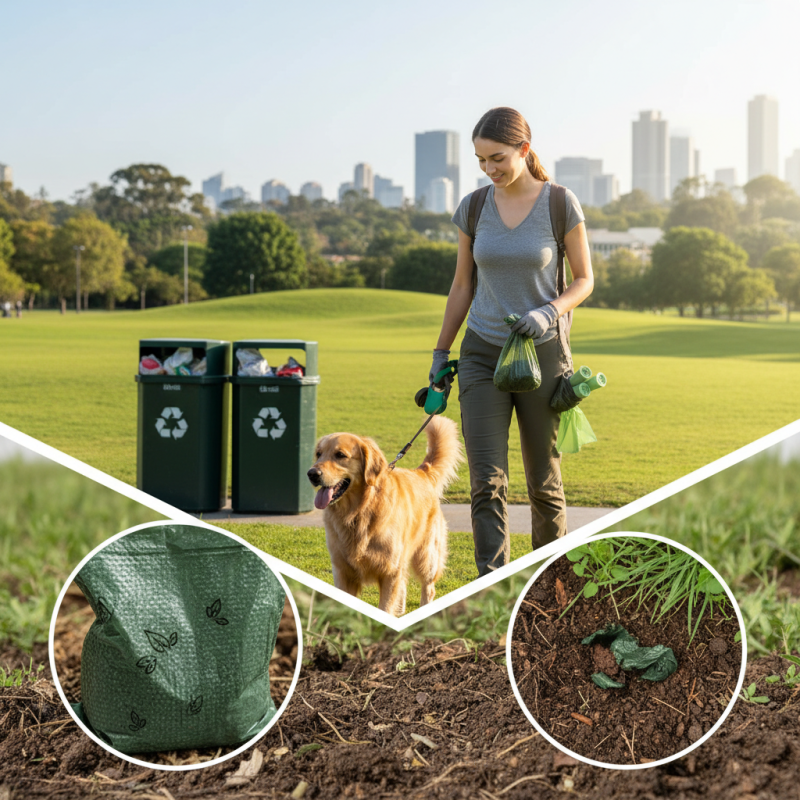
Benefits of Biodegradable Poop Bags for Reducing Plastic Waste in Landfills
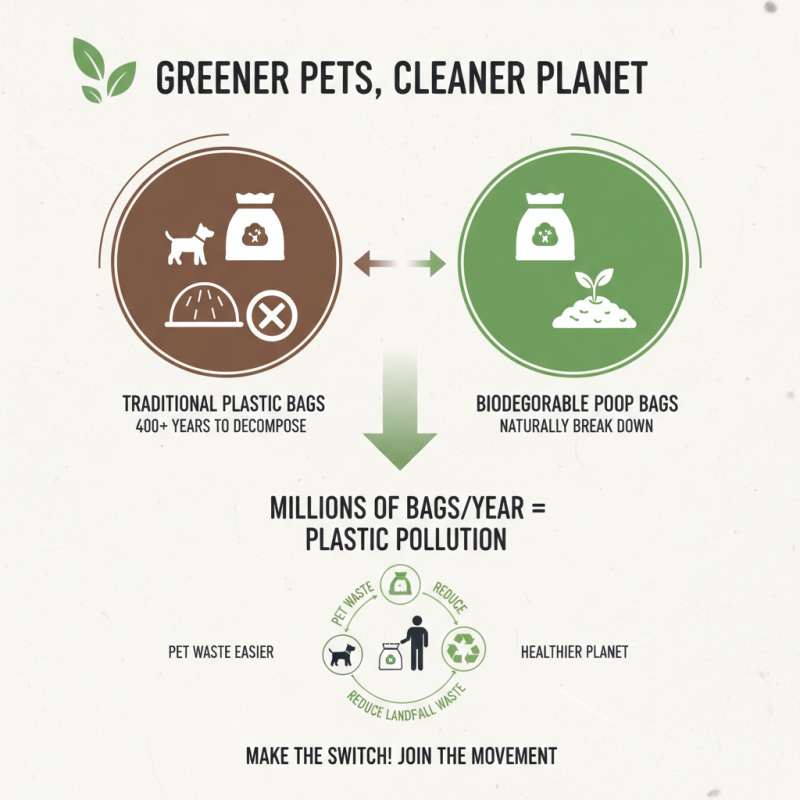
Biodegradable poop bags are a game-changer for pet owners. These bags break down naturally, helping reduce plastic waste in landfills. Traditional plastic bags can take hundreds of years to decompose. Many pet owners are unaware of this issue. Each year, millions of plastic bags end up in our landfills, harming the environment.
Using biodegradable bags means choosing a better option. They often contain plant-based materials. These materials allow for quicker decomposition when disposed of properly. However, not all biodegradable bags are created equal. Some might still release microplastics. It’s crucial to research and choose wisely.
In urban areas, pet waste contributes significantly to pollution. With biodegradable options, we can mitigate this impact. It’s a small step, but every action matters. Yet, some pet owners still prefer plastic bags for convenience. This mindset needs to shift. Education about the benefits of biodegradable bags can lead to more eco-conscious decisions.
Environmental Impact of Traditional Dog Waste Disposal Methods
When it comes to dog waste disposal, traditional methods can have a significant environmental impact. Standard plastic bags take hundreds of years to decompose. This results in waste accumulating in landfills. Ultimately, this harms wildlife and contaminates soil and water sources. Each year, millions of plastic bags are used for pet waste, contributing to this growing problem.
Switching to biodegradable poop bags can make a real difference. These bags break down more quickly in landfills, reducing the environmental footprint. However, it’s essential to use them correctly. Always check for certifications that ensure biodegradability. Misplaced bags can still harm the environment if not disposed of properly.
Tips for responsible disposal include sealing the bags tightly to avoid leaks. When in public spaces, locate designated waste bins. If there isn’t one, take the waste home. Teaching others about the benefits can spread awareness. The more pet owners switch, the more we protect our planet. Making small changes can add up to significant improvements over time.
Top Benefits of Using Biodegradable Poop Bags for Pet Owners - Environmental Impact of Traditional Dog Waste Disposal Methods
| Benefit |
Biodegradable Bags |
Traditional Plastic Bags |
| Environmentally Friendly |
Decomposes naturally within months |
Can take hundreds of years to decompose |
| Reduced Landfill Waste |
Contributes to reducing landfill burden |
Increases landfill waste significantly |
| Healthier Ecosystem |
Minimizes pollution and benefits soil health |
Can leach harmful chemicals into soil and water |
| Convenient for Dog Owners |
Easy to use and designed for pet waste |
Takes longer to break down, creating mess |
| Consumer Preference |
More pet owners are choosing sustainable products |
Falling out of favor due to environmental concerns |
Breakdown Speed Comparison: Biodegradable vs. Conventional Plastic Bags
When pet owners choose to clean up after their dogs, the type of bag used matters. Biodegradable poop bags have become popular for many reasons. One of the most important factors is how quickly they break down compared to conventional plastic bags. While plastic bags can take hundreds of years to decompose, biodegradable options often break down in just a few months.
In favorable conditions, biodegradable bags reduce waste effectively. Heat, moisture, and microbial activity speed up the breakdown process. The reality, however, can be more complicated. In landfills, conditions may not be ideal. Instead, some biodegradable bags might take longer than expected. It raises questions about how eco-friendly they truly are in different environments.
Despite these nuances, the shift towards more sustainable options is clear. Owners can take comfort in knowing they are making a more responsible choice. The appeal of biodegradable bags lies not only in their performance but also in promoting a cleaner planet. It encourages a rethinking of how we dispose of pet waste. Every small change counts.
Top Benefits of Using Biodegradable Poop Bags for Pet Owners
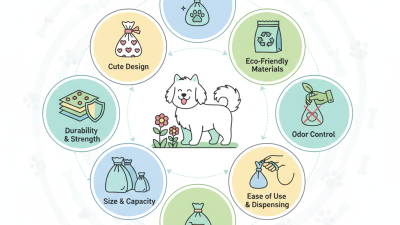
This chart compares the benefits of biodegradable poop bags to conventional plastic bags across multiple dimensions such as breakdown speed, environmental impact, durability, and cost. The data reflects the advantages of choosing biodegradable options for pet owners.
Consumer Preferences: Trends in Eco-Friendly Pet Products
As eco-consciousness grows, pet owners increasingly favor sustainable products. A recent survey revealed that 72% of pet owners prefer eco-friendly options. Biodegradable poop bags align perfectly with this trend, reducing plastic waste in landfills. Approximately 20 billion plastic bags are used each year in the U.S. alone. This staggering number underscores the need for alternatives.
One effective tip for pet owners is to choose bags labeled as "compostable." These bags break down more effectively than traditional plastics. They do not contribute to the harmful microplastics in our environment. Additionally, selecting bags made from recycled materials can enhance sustainability efforts.
Many pet owners, however, still struggle with transitioning to biodegradable options. Some worry about durability or lesser quality. It's important to test different brands to find the ones that suit your needs. Remember, every small change counts in reducing plastic pollution. Adopting eco-friendly practices can foster a healthier planet for future generations.
Regulatory Trends Supporting the Use of Biodegradable Waste Bags
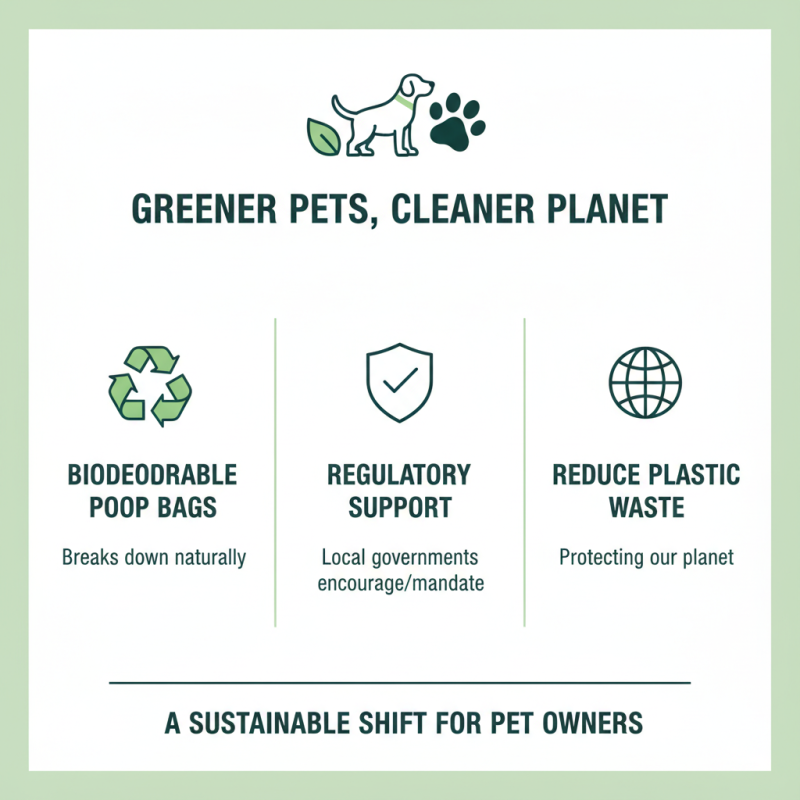
In recent years, there has been a noticeable shift toward environmentally friendly practices. Biodegradable poop bags have gained traction among pet owners, driven by growing regulatory support. Many local governments now encourage or mandate the use of biodegradable waste bags. This trend reflects a wider commitment to reducing plastic waste and protecting our planet.
The regulations often cite the harmful impact of traditional plastic bags. They take years to decompose, leading to landfills overflowing with non-biodegradable waste. Conversely, biodegradable options break down faster in composting environments. This not only helps the environment but also aligns with many cities' goals for sustainability. The growing presence of these regulations indicates a strong desire for cleaner urban living.
Pet owners may feel overwhelmed by choices. Not all biodegradable bags are created equal. It’s essential to research certifications that ensure true biodegradability. Many products claim to be eco-friendly, yet they still contain harmful materials. This contradiction invites reflection on our purchasing decisions. Choosing the right product is crucial for aligning personal values with environmental responsibility.