2026 Top Dog Poop Bag Dispenser Trends and Innovations?
As we approach 2026, the dog waste management industry is witnessing significant changes. Pet owners are becoming increasingly aware of the importance of a quality Dog Poop Bag Dispenser. According to recent industry reports, the global pet waste management market is projected to reach $800 million by 2025. This growth highlights the rising demand for effective and eco-friendly solutions.
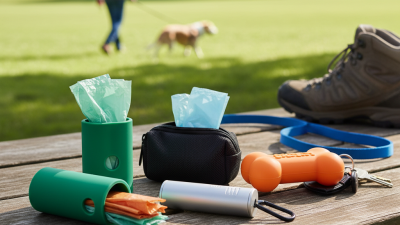
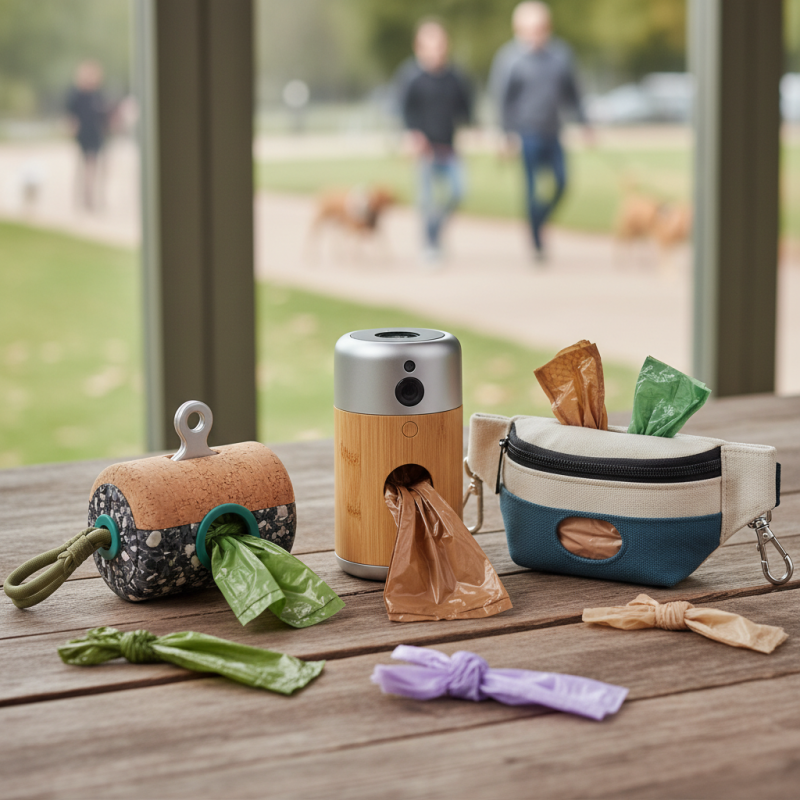
Innovations in Dog Poop Bag Dispensers include features like biodegradable bags and hands-free dispensers. Many pet owners prefer dispensers that can be easily attached to leashes or belts. The design of these products is evolving, focusing not just on utility but also on aesthetics. However, not all dispensers meet these expectations. Some still use plastic materials that harm the environment.
This dilemma calls for reflection on our choices. Are we sacrificing convenience for sustainability? The best products blend functionality with eco-consciousness. The future of Dog Poop Bag Dispensers hinges on innovation that truly benefits pets and the planet.
2026 Dog Poop Bag Dispenser Market Overview and Growth Projections
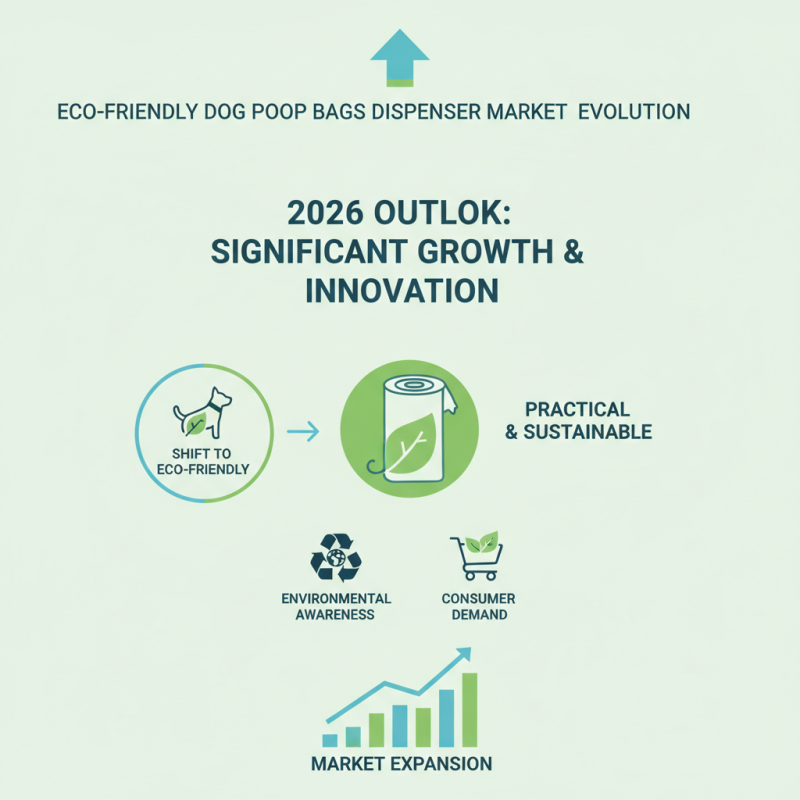
The dog poop bag dispenser market is evolving rapidly. By 2026, it is expected to see significant growth and innovation. More pet owners are opting for eco-friendly options. This shift is driven by increased awareness of environmental issues. Consumers want products that are both practical and sustainable.
Tips: Look for dispensers made from recycled materials. This not only reduces waste but also offers a better choice for the planet.
Moreover, technology is playing a key role in these dispensers. Some are now equipped with features such as automatic bag dispensing. Others include waste tracking apps to remind owners to clean up after their pets. Pet owners often desire convenience, but they must also consider durability. A flimsy dispenser won't last long.
Tips: Consider the size of the dispenser before buying. Larger dispensers may seem appealing, but they can be cumbersome to carry.
Ultimately, the demand for stylish yet functional dispensers is rising. Trends indicate that colorful designs will attract pet owners. However, it’s crucial to balance aesthetics with usability. Enhancements should not come at the expense of practicality.
Innovative Materials: Eco-Friendly Solutions for Poop Bag Dispensers
As more pet owners prioritize sustainability, the demand for eco-friendly poop bag dispensers rises.
According to a recent industry report, the global biodegradable poop bag market is projected to grow by 10% annually through 2026.
These innovative materials present significant benefits for pet waste management.
Many companies are exploring options like plant-based plastics and recycled paper products. These alternatives often decompose faster than traditional petroleum-based bags.
They minimize environmental impact significantly. Yet, challenges remain in balancing functional durability and eco-friendliness.
Some biodegradable bags struggle under wet conditions, leading to customer dissatisfaction.
Pet owners want convenience. However, innovation must address performance issues.
High-quality eco-friendly materials can be costly, which may deter some consumers.
The key is to find solutions that offer both environmental benefits and user satisfaction.
As the market evolves, staying informed about new developments is crucial.
This drives improvements in material technology for dispensers, benefiting pets and the planet alike.
Smart Technology Integration: Features of the Latest Dispensers
The pet industry is rapidly evolving, especially with dog poop bag dispensers. Smart technology is taking center stage in this market. Recent studies indicate that nearly 45% of pet owners prefer dispensers with integrated features. Sensors that detect fullness are becoming common. This innovation allows for timely refills and minimizes waste.
Moreover, smartphone connectivity is now a key aspect of these devices. Some dispensers can send alerts when supplies run low. This feature is particularly useful for busy pet owners. However, the reliability of these technologies varies. Some units may not connect seamlessly, leading to frustration. The user experience can be hindered by forgotten updates or connectivity issues.
Another trend is biodegradable bags that break down efficiently. Many consumers now seek eco-friendly options. Yet, some of these products don’t perform well in extreme conditions. If left out in sunlight, they may become brittle. Pet owners must choose wisely, balancing convenience and environmental impact. The innovative features in dispensers make life easier, but the challenge remains to maintain quality and performance.
User-Centric Designs: Enhancements for Convenience and Accessibility
The dog poop bag dispenser market is evolving rapidly. Recent data shows that 68% of pet owners prioritize convenience in pet care products. User-centric designs focus on enhancing accessibility. Simple, one-handed operations are becoming a standard feature. This shift aligns with the growing demand for efficiency among busy pet parents.
Innovations such as biodegradable bags are gaining traction. About 54% of consumers consider eco-friendliness important. Dispensers that minimize waste also attract attention. Some models now feature built-in bag resealers, reducing environmental impact. However, not all designs are practical. Some dispensers still struggle with bag jams or leaks, leading to frustration.
Colorful, ergonomic designs appeal to younger demographics. 40% of millennials prefer stylish pet accessories. Yet, functionality must remain a priority. A good product should not sacrifice ease of use for aesthetics. As the market grows, user feedback will be vital. Companies need to address these shortcomings to truly serve pet owners’ needs.
Trends in Sustainability: Reusable and Compostable Poop Bag Options
Sustainability has become a hot topic, especially in pet care. The demand for reusable and compostable poop bags is on the rise. Eco-friendly options are popping up everywhere, appealing to the environmentally conscious dog owner.
Many compostable bags are made from plant-based materials. These bags break down more quickly than traditional plastic. They can return nutrients to the soil, fostering a healthier ecosystem. However, not all biodegradable options dissolve properly in every environment. This inconsistency raises questions about their true impact.
Reusable poop bags also gain popularity. Made from durable materials, they can last a long time. They reduce waste, but they require cleaning and careful handling. Some dog owners find it challenging to manage the cleaning process. The balance between convenience and sustainability is still a topic of discussion. Finding the right option can be complicated, and ongoing exploration is needed.
2026 Top Dog Poop Bag Dispenser Trends and Innovations
| Trend/Innovation |
Description |
Material Type |
Sustainability Features |
Estimated Market Growth (%) |
| Compostable Bags |
Bags made from organic materials that break down in compost environments. |
PLA (Polylactic Acid) |
Biodegradable within 90-180 days in compost conditions. |
25% |
| Reusable Dispensers |
Durable dispensers designed to hold multiple types of bags for extended use. |
Recycled Plastic |
Reduces plastic waste and encourages long-term use. |
30% |
| Biodegradable Additives |
Additives that can be included in traditional plastic bags to accelerate decomposition. |
Standard Plastic with Additives |
Can degrade in standard landfill settings within 1-2 years. |
20% |
| Scented Options |
Bags infused with natural scents to mask odors. |
Various Eco-friendly Scents |
Uses less synthetic fragrance and more natural options. |
15% |
| Integrated Technologies |
Smart dispensers that track usage and send reminders for bag refills. |
Plastic/Tech Hybrid |
Encourages responsible pet ownership through technology. |
35% |