2026 Top Degradable Dog Poop Bags What Buyers Need to Know
The market for Degradable Dog Poop Bags has grown significantly in recent years. As more pet owners become environmentally conscious, finding sustainable solutions is essential. Dr. Emily Carter, an expert in biodegradable materials, emphasizes the importance of these products: "Choosing the right degradable bags can make a real difference for our planet."
Many dog owners overlook the impact of traditional plastic bags on the environment. The accumulation of plastic waste poses severe ecological challenges. Degradable Dog Poop Bags can help mitigate these issues. They break down more quickly than conventional plastic, reducing landfill contributions. However, not all degradable bags are created equal. Some may still leave harmful residues or take longer to decompose than advertised.
Consider this: while striving for sustainability, it’s crucial to research the brand and materials of dog poop bags. Transparency in production is vital. It's easy to be misled by marketing claims. Therefore, examining product certifications and user reviews can provide clarity. By making informed choices, pet owners can contribute positively to the environment.
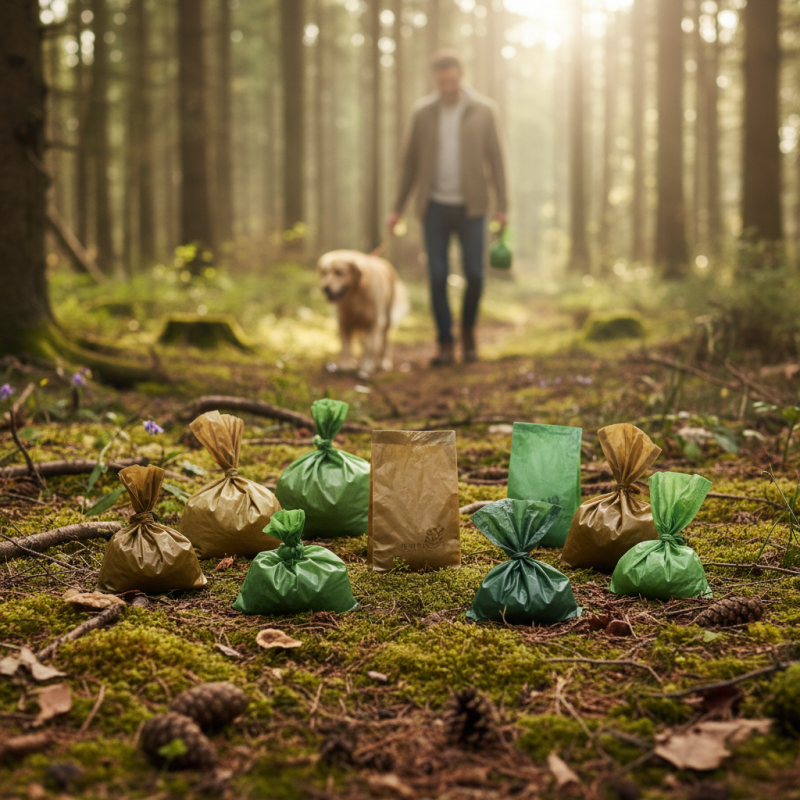
Top Features to Look for in Degradable Dog Poop Bags
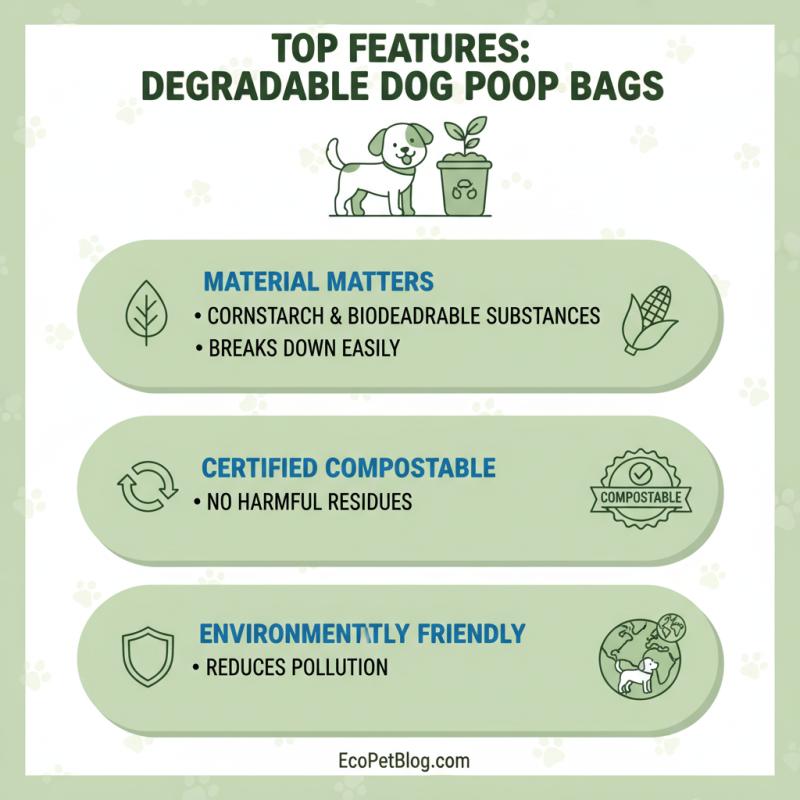
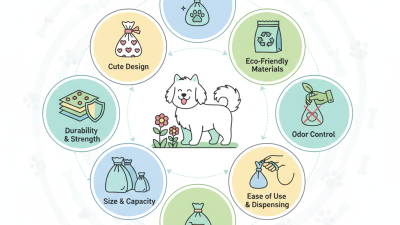
When shopping for degradable dog poop bags, consider their material. Many options use cornstarch or other biodegradable substances. This helps them break down more easily in the environment. Look for bags that are certified compostable. This label ensures they will not leave harmful residues behind.
Durability is another key feature. Strong bags prevent leaks and tears while picking up waste. A reliable bag should withstand the demands of everyday use. Size matters too; choose bags that are large enough for various dog breeds. This makes the cleanup process smoother and more effective.
Pay attention to the packaging. Eco-friendly options should use minimal plastic. Some manufacturers even offer refillable dispensers. This encourages sustainable practices. While many products claim to be degradable, not all live up to their promises. Research is essential. Check reviews and user feedback to see real-world performance.
Understanding Biodegradable Materials Used in Dog Poop Bags
When it comes to choosing biodegradable dog poop bags, understanding the materials used is crucial. Many bags claim to be biodegradable but not all are created equal. Common materials include plant-based plastics, corn starch, and recycled paper. These materials break down faster than traditional plastics, making them a better choice for the environment.
However, consumers should be cautious. Some bags labeled as biodegradable may still leave microplastics behind. Additionally, the compostability of these bags often depends on the conditions where they are disposed of. In many cases, simply tossing them in the trash doesn't guarantee they will break down properly. It's essential to check certifications from reliable organizations to ensure you're making an environmentally sound choice.
Consider how you dispose of these bags. If you don’t have access to commercial composting facilities, the bags may not decompose as intended. While biodegradable bags are a step forward, they are not a perfect solution. Ongoing research and development are necessary for better materials that can genuinely break down without leaving harmful residues. It's a complex issue that requires consumers to remain informed about their options and their impacts.
Industry Statistics: Growth of Eco-Friendly Dog Waste Solutions
The growing demand for eco-friendly dog waste solutions is evident. Statistics show a marked increase in consumer interest in biodegradable options. Pet owners are becoming more environmentally conscious. This shift is reflected in the rising sales of degradable dog poop bags. Many are looking for products that help reduce plastic waste.
When choosing biodegradable bags, it’s vital to understand what makes them eco-friendly. Look for bags certified as compostable, which break down in a natural environment. Not all bags labeled "biodegradable" are created equal. Some may still leave harmful residues. Research is essential to finding reliable products that align with sustainable values.
Tips for choosing wisely: check for certifications that indicate the bags will decompose. Consider the size and thickness, as too flimsy may lead to spills. Keep in mind that being eco-friendly also requires responsible disposal. Use designated bins for dog waste when available. Not every area has the right facilities for composting pet waste. Reflect on your local choices before committing to a brand.
2026 Top Degradable Dog Poop Bags What Buyers Need to Know
| Category |
Material Type |
Biodegradability Duration |
Average Price (per roll) |
Market Growth Rate (2022-2026) |
| Standard Bags |
PLA (Polylactic Acid) |
90-180 days |
$10.99 |
8% |
| Biodegradable Bags |
Plant Starch |
60-120 days |
$12.49 |
10% |
| Compostable Bags |
Cornstarch Blends |
90-180 days |
$15.99 |
12% |
| Waste Separation Bags |
Recycled Materials |
Depends on composting conditions |
$8.99 |
6% |
| Organic Bags |
Bio-based Plastics |
45-90 days |
$14.49 |
9% |
Comparing the Environmental Impact of Traditional vs. Degradable Bags
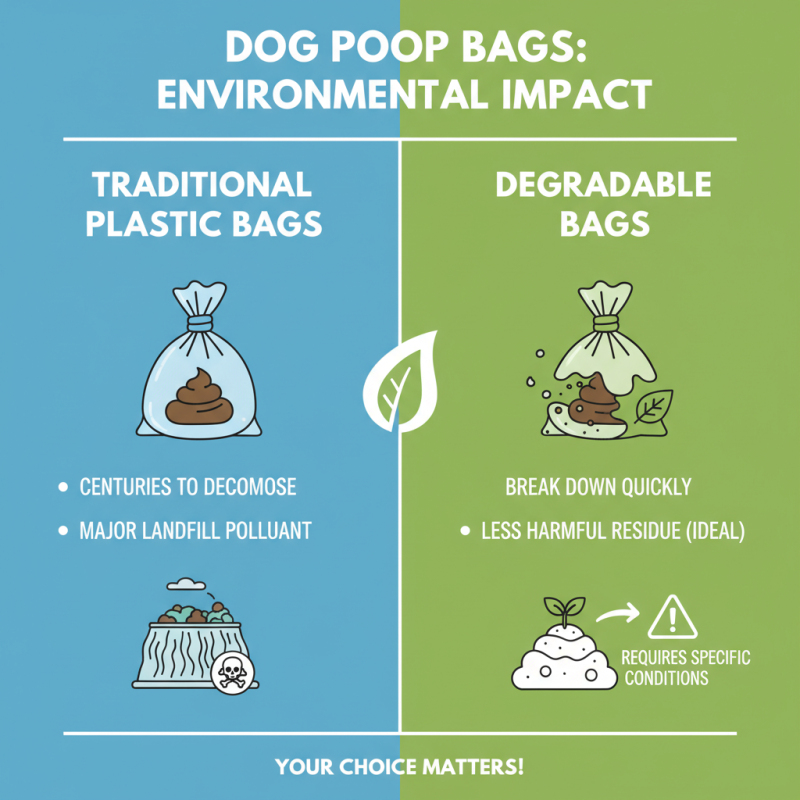
When considering the environmental impact of dog poop bags, the choice between traditional and degradable options is crucial. Traditional plastic bags take centuries to decompose. They contribute significantly to landfill waste. In contrast, degradable bags break down more quickly, ideally leaving no harmful residue. However, not all degradable products are equal. Some may require specific conditions to degrade properly.
Tips for choosing the right bag include checking for certifications. Look for bags labeled as compostable or biodegradable. Ensure they meet recognized standards. This ensures they will break down in an environmentally friendly manner. You should also consider the thickness and durability of the bag. A flimsy bag can tear easily, leading to messy situations. Always test a small pack before committing to bulk purchases.
It's important to reflect on personal habits as dog owners. While degradable bags are better, they aren't a panacea. Proper disposal still matters. Throwing bags in the trash, even degradable ones, can hinder their effectiveness. People often forget that composting may not be accessible in every area. Awareness and education on responsible disposal are essential to maximize the benefits of your chosen bags.
Buyer’s Guide: Certifications to Verify Degradability Claims
When choosing degradable dog poop bags, understanding certifications is crucial. Not all bags claiming to be degradable adhere to the same standards. Look for certifications like EN 13432 or ASTM D6400, which indicate the bags will break down in specific timeframes under composting conditions.
Tips: Always verify the claims. Research the certification labels. Not all products are created equally. Some may degrade but leave harmful residues. A bag that is marked as "biodegradable" might not meet strict environmental standards.
Additionally, consider the material of the bags. Many options are made from plant-based resources. This can be a more eco-friendly choice, but it's essential to check if they truly break down without remaining pollutants. Be cautious about vague terms like "oxo-biodegradable," as these can mislead consumers. Understanding these elements will help you make informed choices for your pet and the planet.
2026 Degradable Dog Poop Bags Performance Comparison